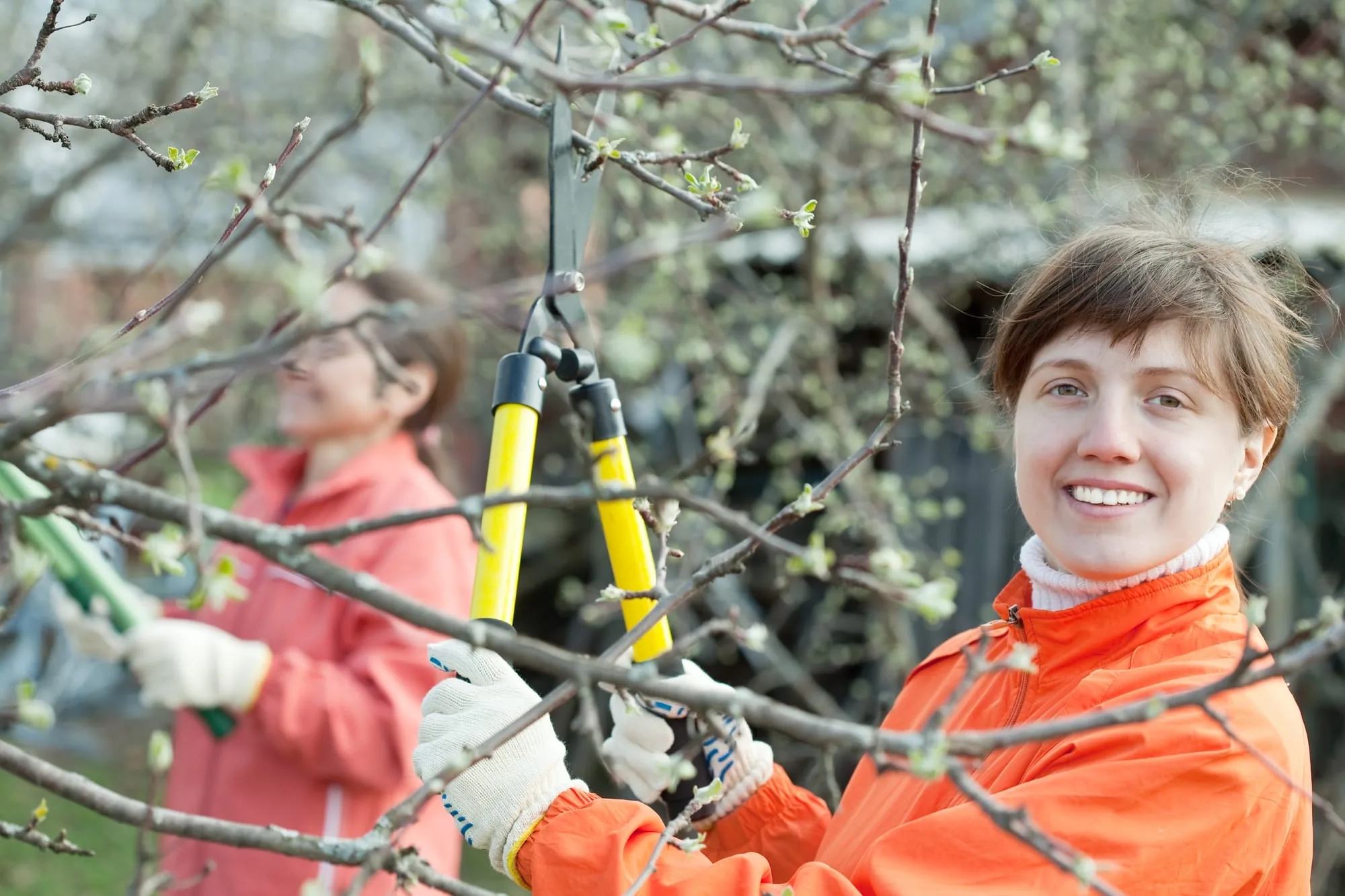
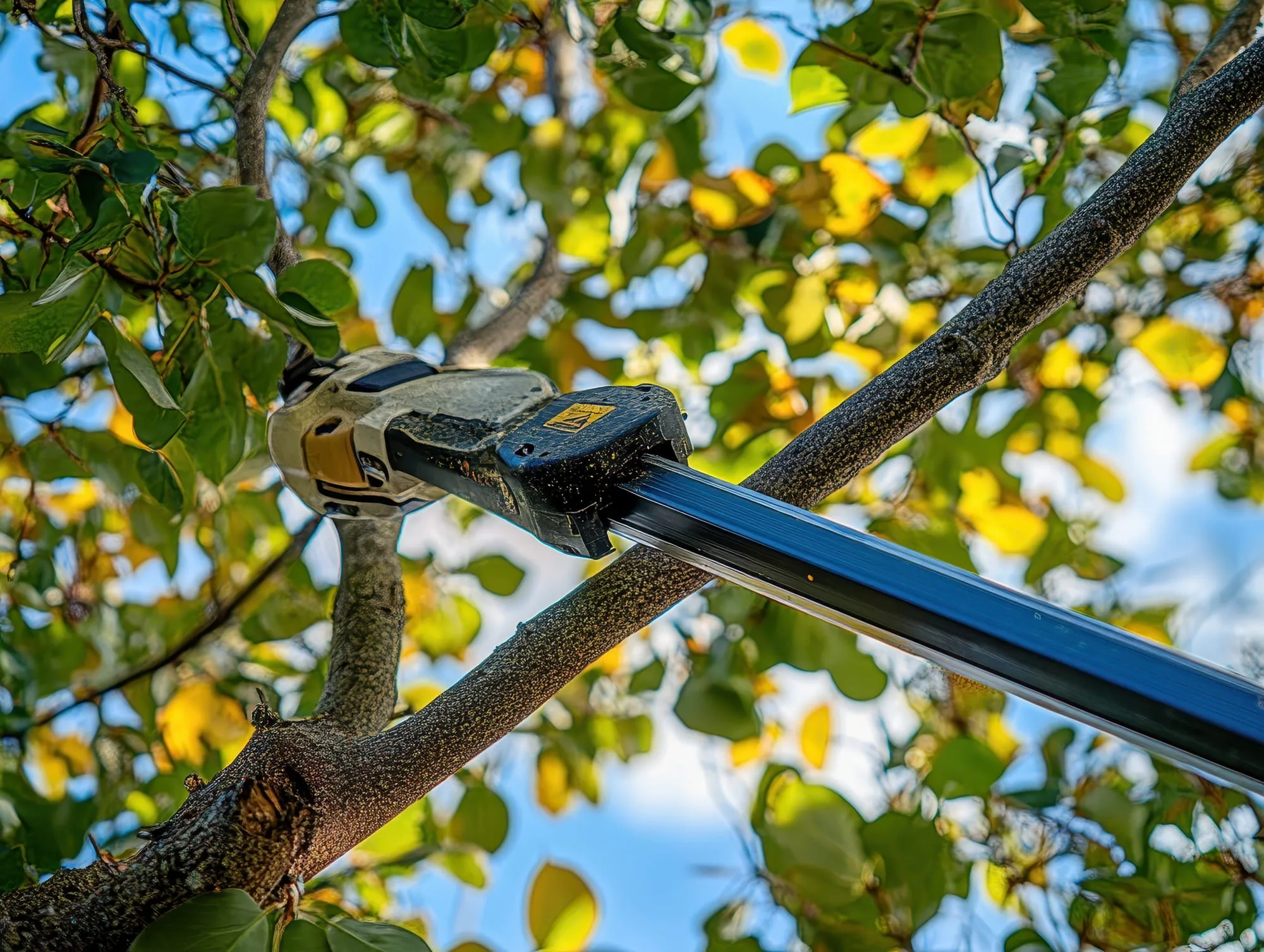
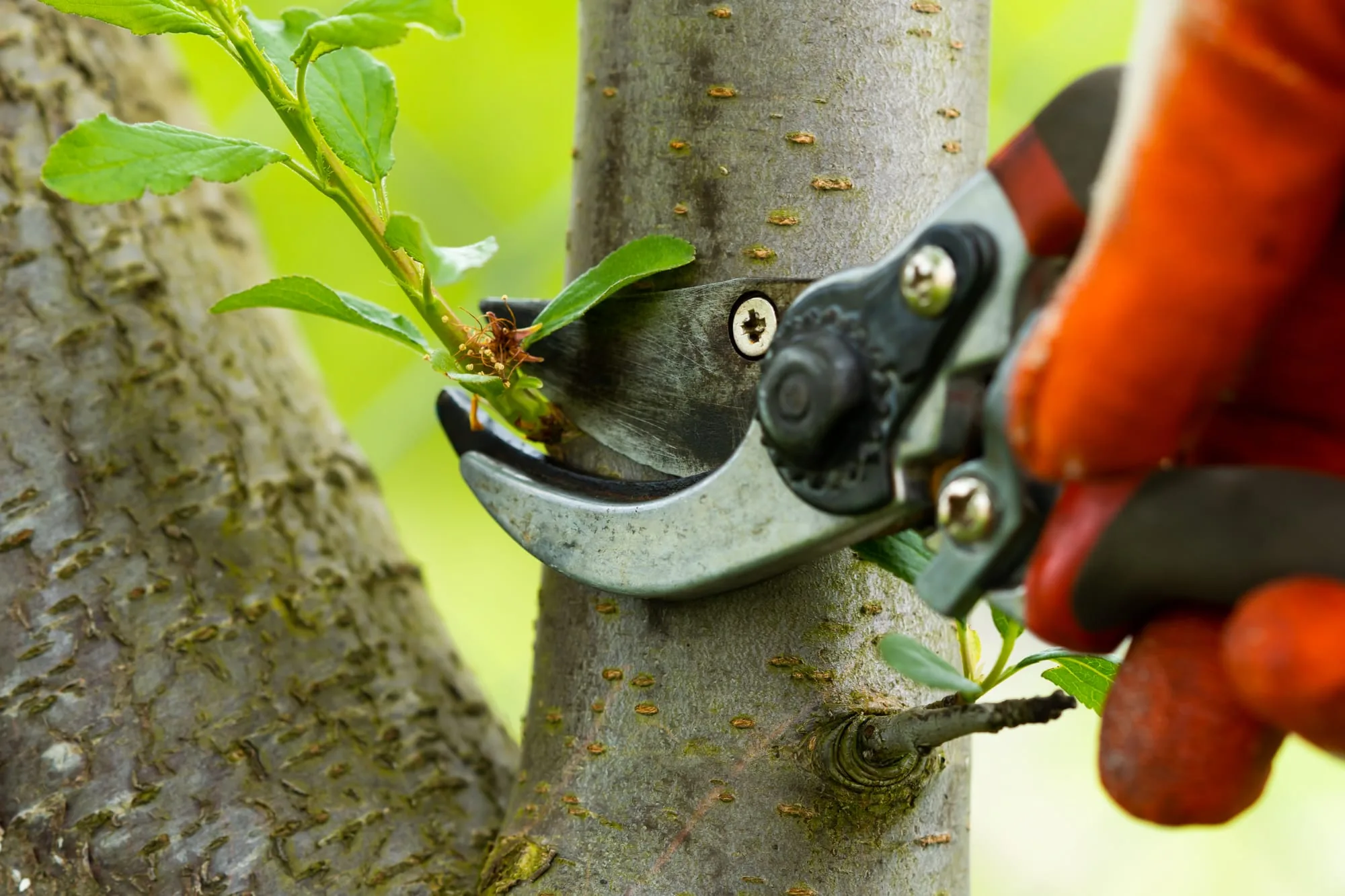
Tree trimming can help bring overgrown or intrusive branch growth back to a more manageable position around a property. It may be considered when branches are spreading into access areas, growing close to buildings, extending over fences or making a tree difficult to maintain within the available space.
Tree Pruning Services Melbourne provides practical tree trimming and related tree care for Melbourne properties. We look at the growth that is causing the problem, the tree it belongs to and what sits around it before deciding what should be cut back.
Trimming should still have a purpose. A tree beside a driveway may need clearance in one direction, while a tree beside a house may need selected branches reduced away from the roofline. Tell us what is becoming difficult to manage and what you want the tree to do differently, and we can discuss the appropriate next step.
When Tree Trimming May Be Needed
Tree trimming is commonly considered when growth has moved beyond the space available around a home, garden or access area.
It may be relevant when:
- branches are spreading across a driveway, path or outdoor area;
- new growth is getting too close to a roof, gutter, garage or shed;
- branches are extending across a boundary fence or into neighbouring space;
- the outer canopy has become untidy or difficult to keep manageable;
- low or outward-growing branches are interfering with normal use of the property;
- a tree has developed uneven growth that the owner wants assessed;
- repeated seasonal growth is reducing clearance around structures; or
- the size and position of the branches make trimming unsafe to attempt from the ground.
The issue may look simple from below, but the amount of growth that should be removed still depends on the tree and the position of the branches. Trimming should not mean cutting every branch back to the same point or removing more growth than the situation requires.
What Tree Trimming Involves
Tree trimming generally focuses on reducing or removing selected branch growth that has become unwanted, intrusive or difficult to manage around the property.
Depending on the tree and the reason for the work, this may involve shortening selected branches, clearing growth away from a particular area or addressing sections of the canopy that have extended beyond the space available.
Before deciding on the scope, practical considerations can include:
- where the unwanted growth is occurring;
- how far branches have extended;
- the size and position of the branches involved;
- whether buildings, fences, gardens or access areas sit nearby;
- the condition of the branch growth being considered;
- how easily the work area can be accessed; and
- how the proposed trimming may affect the overall tree.
The aim is to address the specific growth problem rather than simply making the tree smaller. Where the issue involves damaged limbs, broader canopy management or more specialised pruning decisions, another tree-care approach may be more appropriate.
How We Approach Tree Trimming
We start with the part of the tree that is causing the practical problem.
If branches are spreading across a driveway, the priority may be restoring usable clearance. If growth is reaching a roofline, the focus may be the branches occupying that space rather than the rest of the canopy. If the tree is simply becoming difficult to manage within a smaller garden, the overall pattern of growth may need to be considered before any cuts are proposed.
We also look beyond the branch itself. A limb growing over open lawn creates different working conditions from one above a tiled roof, beside a fence or close to established garden beds. Access to the tree and the space below the work can affect how the job needs to be planned.
The amount of trimming should respond to the actual issue. Where a smaller amount of selective work can achieve the required clearance or control, there is no reason to assume the whole canopy needs to be cut back.
Tree Trimming Around Melbourne Homes and Properties
Melbourne’s established residential areas often place mature trees close to houses, driveways, garages, fences and neighbouring properties. As branches extend, the available space around the tree can become just as important as the size of the tree itself.
A tree growing beside a narrow driveway may gradually reduce vehicle or pedestrian clearance. Branches beside a house can move closer to gutters, walls or a tiled roof as the canopy expands. On smaller blocks, outward growth can also begin to occupy neighbouring space or crowd established garden areas.
Strong winds can change the position or condition of individual branches, while ongoing seasonal growth can slowly reduce clearance even where there is no sudden damage. These are different situations and may call for different trimming decisions.
Local relevance should come from the property conditions around the tree, not from forcing Melbourne into every sentence. The useful question is whether the tree’s current growth still fits the space available around that particular property.
Who Tree Trimming Is For
Tree trimming may suit people who can clearly see that growth is extending into an area where it is no longer practical.
This can include:
- homeowners trying to keep established trees manageable around a house or garden;
- residential property owners dealing with branches over driveways, paths or outdoor areas;
- landlords and property investors responding to overgrown tree growth at a property;
- property and facilities managers coordinating routine tree maintenance;
- owners corporation or body corporate properties where branches affect shared spaces;
- commercial property owners managing tree growth around buildings or access areas; and
- real estate or property maintenance professionals arranging work on behalf of an owner.
You do not need to know whether the job should technically be described as trimming, pruning or another form of tree work. Describing the growth problem is enough to start assessing what is appropriate.
What to Expect From a Tree Trimming Enquiry
The first step is to explain where the tree is growing and what part of the growth has become a problem.
- Tell us what needs attention. Describe the branches or growth that are causing the issue and what you would like to change.
- Discuss the property conditions. Explain what sits around the tree, including buildings, fences, driveways, gardens or neighbouring property.
- Assess the work required. The relevant growth, access and surrounding area can be considered before the trimming scope is confirmed.
- Confirm what is proposed. You can understand which parts of the tree are being addressed and the reason for the work before deciding whether to proceed.
- Arrange the work. Once the scope is agreed, the tree work can be scheduled.
Photographs can help describe the situation at the enquiry stage, particularly where they show the full tree as well as the branch growth in relation to the property.
Safety and Property Considerations During Tree Trimming
Tree trimming can become hazardous when the work involves height, large branches, cutting equipment or limited space around the tree. A branch that appears manageable from the ground may carry more weight than expected or sit above an area where falling material could damage property.
Extra care is needed where branches are close to roofs, garages, fences, driveways, neighbouring property or overhead services. The position of people, vehicles and garden features below the canopy also matters when work is being planned.
Avoid climbing trees, working from unstable ladders or attempting to cut large or difficult branches without appropriate skills and equipment. If the growth cannot be reached safely from the ground, the job should be assessed as professional tree work rather than ordinary garden trimming.
For an immediate danger involving a branch, people, buildings or essential infrastructure, keep clear of the affected area and contact the appropriate emergency or utility service where necessary.
Council Rules and Tree Trimming in Melbourne
Tree controls can differ between Melbourne councils, and requirements may also depend on the individual tree, the property and any planning controls that apply.
Minor trimming and more substantial branch removal should not automatically be treated as the same type of work. Where the proposed trimming is significant, affects a protected tree or falls within a relevant planning control, permission may need to be checked before work proceeds.
Do not rely on a rule from another suburb or council area. Any council-specific requirement should be checked against the authority responsible for the property and the tree concerned.
How to Compare a Tree Trimming Quote
A useful quote should make it clear what part of the tree is being cut back and what the work is intended to achieve.
Consider asking:
- Which branches or areas of growth are included in the trimming?
- Is the aim to restore clearance, reduce spread or address another specific problem?
- How much branch growth is proposed for removal?
- Are there roofs, fences, gardens, access restrictions or other site conditions affecting the job?
- What is included in the quoted scope?
- Does the condition of the tree suggest that trimming alone is not the appropriate service?
These questions are especially useful where “trim the tree back” could mean very different things to different people. A clear scope helps make sure the proposed work matches the actual problem.
Common Questions About Tree Trimming in Melbourne
What is tree trimming used for?
Tree trimming may be used to control unwanted branch growth, improve practical clearance and keep a tree more manageable within the space around a property. The exact work depends on where the growth is occurring and what needs to be achieved.
Is tree trimming the same as tree pruning?
The terms are often used interchangeably by property owners, but they can describe different intentions. Trimming commonly refers to cutting back unwanted or overextended growth, while pruning can involve more selective decisions about particular branches, tree structure or condition. The proposed scope matters more than the label.
Can tree trimming help with branches near a roof?
It may help where selected growth has extended close to a roof, gutter or other part of a building. The position, size and condition of the branches need to be considered before deciding how much should be cut back.
Can I trim a large tree myself?
Large branches, work at height and trimming near buildings or services can create serious risks. If the work cannot be carried out safely from the ground or involves substantial branches, it should be treated as professional tree work rather than ordinary garden maintenance.
How far should tree branches be trimmed back?
There is no single distance or amount that suits every tree. The appropriate amount depends on the reason for trimming, branch position, tree condition and the space that needs to be restored or maintained.
Does every overgrown tree need heavy trimming?
No. Some problems may be addressed by trimming selected growth only. Removing more of the canopy than the situation requires should not be assumed to be the right approach.
Do I need council permission for tree trimming in Melbourne?
Requirements vary by council, property and tree. Protected-tree controls, planning overlays or other local rules may apply, particularly where more substantial work is proposed. Check the requirements that apply to the property before significant trimming proceeds.
What should I tell you when asking about tree trimming?
Explain where the tree is located, what growth is causing the problem and what you want to achieve. Mention nearby roofs, fences, driveways, neighbouring properties or access restrictions that may affect the work.
Discuss Tree Trimming for Your Melbourne Property
If tree growth is spreading into areas you need to keep clear or the tree is becoming difficult to manage around your property, tell us what is happening and what you want the trimming to achieve.
You do not need to decide the exact method before getting in touch. Contact Tree Pruning Services Melbourne to discuss the tree, the surrounding property and the appropriate next step.