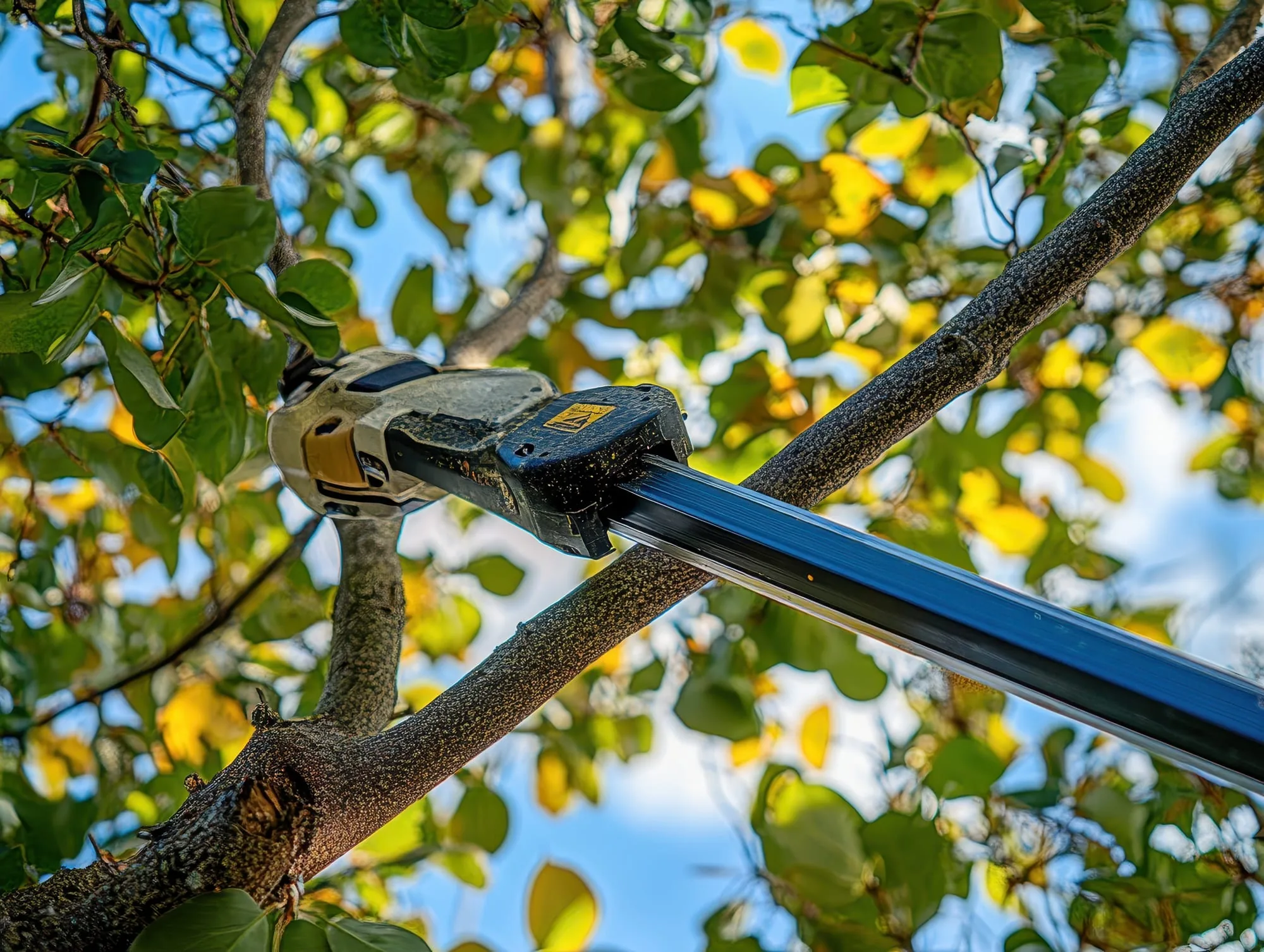
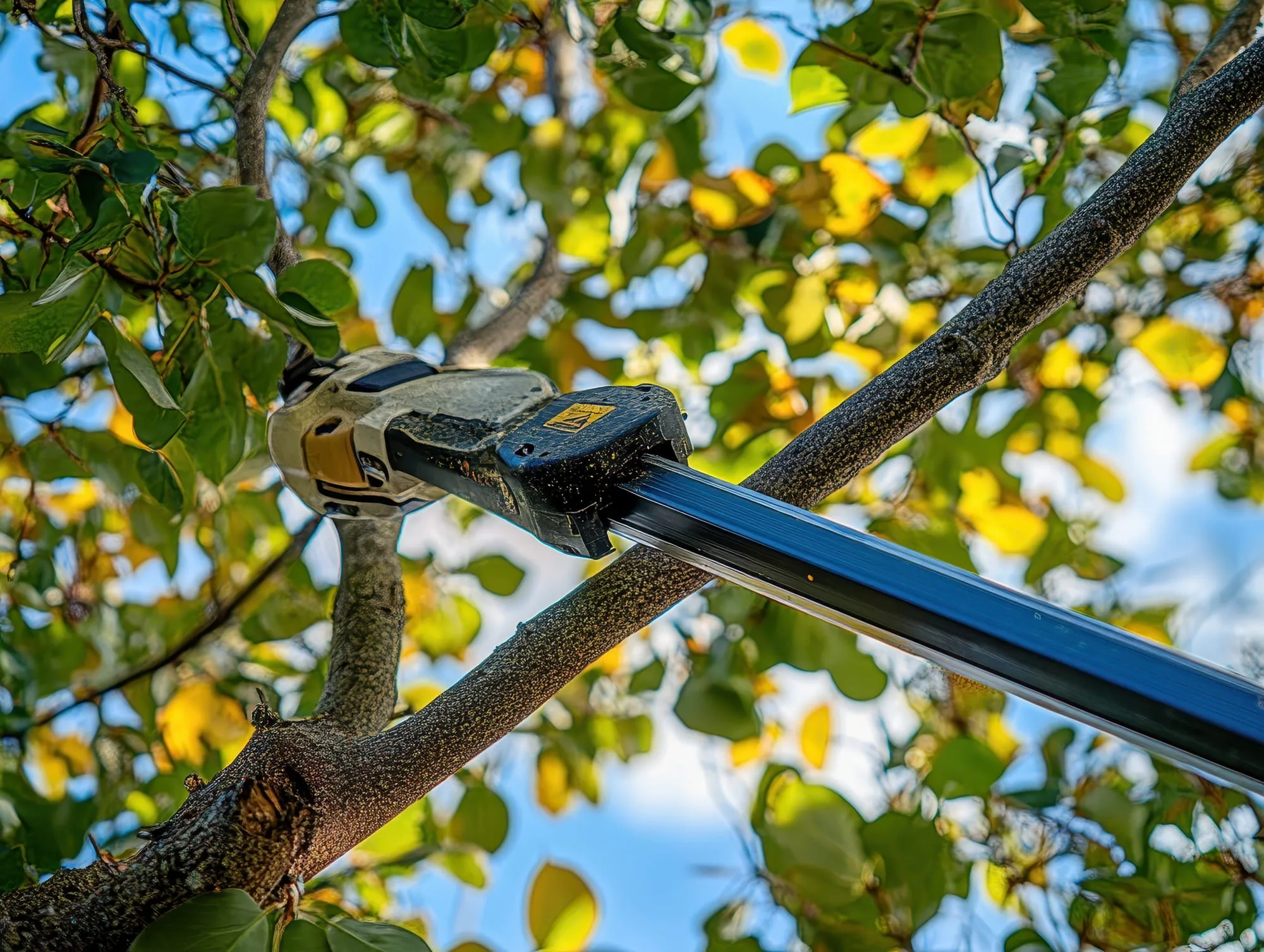
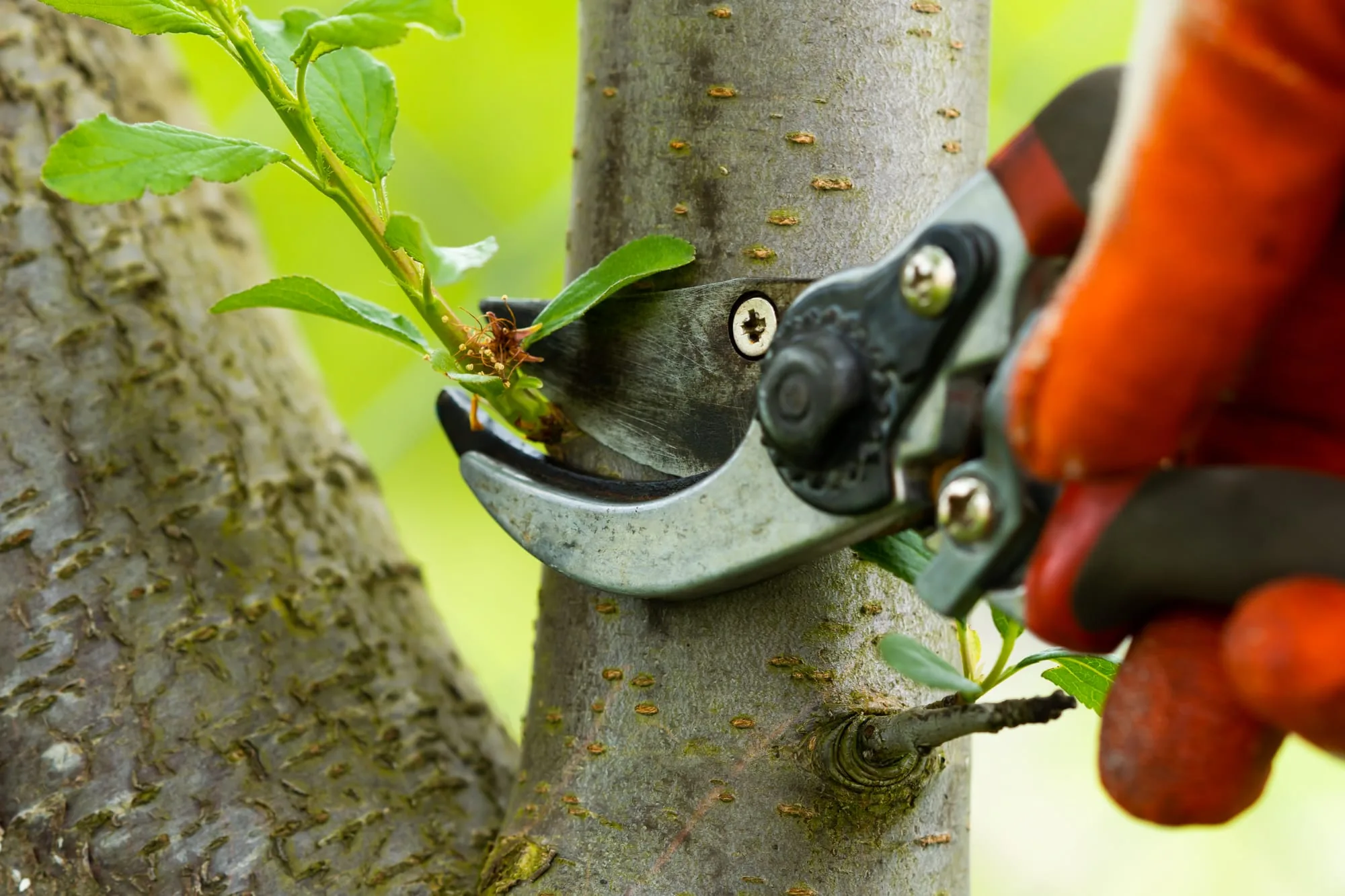
Tree pruning can help manage overgrown, damaged or poorly positioned branches while taking the tree, surrounding property and reason for the work into account. It may be suitable when growth is becoming difficult to manage, branches are interfering with buildings or access, or parts of the canopy need professional attention.
Tree Pruning Services Melbourne provides practical tree pruning and related tree care for homes, businesses and properties across Melbourne. We start by looking at what is happening with the tree and what you want to achieve. The appropriate approach depends on the tree’s size and condition, the branches involved, access to the work area and what sits around the tree.
If you are unsure what type of pruning is needed, you do not need to diagnose the tree yourself. Tell us what you have noticed and the outcome you are looking for, and we can discuss the next step.
When Tree Pruning May Be Needed
A tree does not need pruning simply because it has grown. Pruning should have a clear purpose based on the tree, the property and the issue you want to address.
You may consider professional tree pruning when:
- branches have become overgrown or difficult to manage;
- dead, damaged or deteriorating limbs are visible in the canopy;
- branches are growing close to a roof, garage, shed, fence or other structure;
- tree growth is obstructing a driveway, path or usable outdoor area;
- the canopy has become dense or uneven;
- storm or wind damage has affected particular branches;
- a tree has gone without maintenance for an extended period; or
- the size or position of branches makes the work difficult to carry out safely from the ground.
The visible problem does not always tell you which pruning method is appropriate. A branch over a driveway, for example, presents a different job from dense growth throughout a mature canopy. The tree and site need to be considered before deciding what should be removed.
What Tree Pruning Involves
Tree pruning is the selective removal or reduction of branches for a defined reason. Depending on the tree and the problem, the work may involve removing selected limbs, reducing problematic growth, clearing space around part of the property or carrying out general maintenance.
The aim is not to remove branches at random or cut back as much growth as possible. The proposed work should respond to the condition and position of the relevant branches and the result the property owner wants to achieve.
Before the scope is determined, practical factors can include:
- the reason for pruning;
- the size and location of the tree;
- the condition and position of the branches involved;
- nearby buildings, fences, gardens and neighbouring property;
- access to the tree and work area;
- the amount of pruning being considered; and
- how the proposed work may affect the tree and surrounding property.
Some trees may only need selective attention in one part of the canopy. Others may require a broader pruning approach. Where the situation calls for a different type of tree work or further assessment, that should be identified before the job proceeds.
How We Approach Tree Pruning
Good pruning starts with the reason for the work. We first consider what has prompted the enquiry rather than assuming every overgrown tree needs the same treatment.
A homeowner may want clearance between branches and a tiled roof. Another property may have a damaged limb following strong winds. A tree beside a narrow driveway may need attention because growth is reducing usable access. Each situation creates a different pruning objective.
We consider the tree as part of the property around it. That means looking at branch position, surrounding structures, access and the space available to carry out the work. These factors can influence both the proposed pruning and how the job needs to be planned.
This approach also helps avoid recommending unnecessary work. If selective pruning is enough to address the concern, the proposed scope should reflect that. If the tree or site raises issues that require another type of professional service, additional assessment or relevant permission, those requirements should be identified rather than overlooked.
Tree Pruning Around Melbourne Homes and Properties
Melbourne properties can place trees in close contact with the built environment. Established trees may sit beside houses, garages, boundary fences, driveways, gardens and neighbouring properties, sometimes with limited room around the trunk and canopy.
That matters when pruning is being considered. A large branch growing over an open section of garden is a different job from a similar branch positioned above a roof or beside a narrow accessway. The amount of working space and what sits below or around the branch can affect how the work is approached.
Strong winds can also leave individual limbs damaged or place extra attention on branches that were already deteriorating. Dense canopy growth may create a different concern, such as reduced clearance or a tree becoming increasingly difficult to manage within the available space.
Melbourne also has trees of many species, sizes and ages. The appropriate pruning approach should respond to the individual tree rather than relying on a standard amount of branch removal for every property.
Who Tree Pruning Is For
Our tree pruning service is intended for property owners and people responsible for maintaining trees around a property.
This can include:
- homeowners and residential property owners managing established garden trees;
- landlords and property investors dealing with overgrown or problematic branches;
- property and facilities managers coordinating tree maintenance;
- owners corporation and body corporate properties where trees affect shared areas;
- commercial property owners and businesses managing trees around buildings and outdoor areas; and
- real estate and property maintenance professionals arranging work on behalf of a property owner.
The reason for the enquiry may be routine maintenance, a specific branch problem or uncertainty about what should be done with a tree that has become difficult to manage. The starting point is the same: understand the problem before deciding on the work.
What to Expect From a Tree Pruning Enquiry
You do not need to know the name of the pruning method before getting in touch. Describing what you can see and what you want to achieve is enough to begin the conversation.
- Tell us about the tree. Explain where it is located, what you have noticed and what you would like to change or address.
- Discuss the requirements. We can clarify the concern, the property conditions and the outcome you are looking for.
- Assess the work required. The tree, relevant branches, access and surrounding property can be considered before the work is confirmed.
- Confirm the proposed pruning. You can understand what work is being proposed and why before deciding whether to proceed.
- Arrange the tree work. Once the details are agreed, the pruning can be scheduled and carried out.
Useful information at the enquiry stage can include the approximate size of the tree, where it sits on the property, nearby structures and any access restrictions you are aware of.
Safety and Property Considerations During Tree Pruning
Tree pruning can involve height, heavy branches, cutting equipment and loads that can behave unpredictably once a cut is made. These risks become more significant where large limbs sit near roofs, fences, driveways, gardens or areas used by people.
Access also matters. A tree in an open part of a property presents different working conditions from one surrounded by established gardens, buildings or neighbouring structures. The work area needs to be considered before pruning begins so the job can be planned around the tree and the property.
Large, high or difficult-to-reach branches should not be treated as routine DIY garden maintenance. If you are concerned about a branch but cannot inspect or reach it safely, keep clear of the affected area and seek appropriate professional advice.
For an immediate danger involving people, buildings or essential infrastructure, keep away from the affected area and contact the appropriate emergency or utility service where necessary.
Council Rules and Tree Pruning in Melbourne
Tree controls can vary between Melbourne councils and may also depend on the individual property, tree and applicable planning controls. Significant or protected trees, overlays and other local requirements can affect what work is permitted.
Do not assume that a rule applying in one Melbourne suburb automatically applies in another. If significant pruning is being considered, check the requirements that apply to the property and tree before work proceeds.
Council-specific advice should be based on the relevant local authority and the circumstances of the individual tree.
How to Compare a Tree Pruning Quote
A useful pruning quote should make the proposed scope easier to understand. Before agreeing to work, consider asking:
- Which branches or parts of the canopy are you recommending for pruning, and why?
- What is the proposed work intended to achieve?
- How could the pruning affect the tree’s structure or future growth?
- Are there access conditions, nearby structures or other site factors that affect the job?
- What work is included in the quoted scope?
- Are relevant qualifications, insurance details or approvals available where they are required?
These questions help separate a clear pruning plan from a vague instruction to simply cut the tree back. The objective should be to understand what will be done before the work begins.
Common Questions About Tree Pruning in Melbourne
When does a tree need pruning?
Pruning may be considered when branches are dead, damaged, overgrown, poorly positioned or interfering with buildings, access or usable outdoor areas. The reason for pruning should be assessed in the context of the individual tree and property.
What is the difference between tree pruning and tree trimming?
The terms are often used in similar searches, but pruning generally describes selective branch work carried out for a specific tree-care or property-management reason. The exact scope matters more than the label, so the proposed work should be explained before it begins.
Can pruning damage a tree?
Removing branches without considering the tree’s structure, condition or the amount of growth being removed can create problems. Pruning should be purposeful and based on what the individual tree requires rather than removing branches without a clear reason.
How much of a tree can be pruned?
There is no single amount that is appropriate for every tree. The suitable level of pruning depends on factors such as the tree, its condition, branch structure, the reason for the work and the proposed outcome. The scope should be assessed for the individual tree.
Do I need an arborist for tree pruning?
The appropriate professional involvement depends on the tree, the work required and any specialist assessment the situation calls for. Large branches, work at height, uncertain tree condition or complex site conditions can require professional tree-care expertise. Confirm relevant qualifications where they are important to the work being proposed.
Do I need council permission to prune a tree in Melbourne?
Requirements can vary between councils, properties and individual trees. Protected-tree controls, planning overlays or other local rules may apply. Check the requirements for your property before significant tree work proceeds.
Can pruning help with branches growing close to my house?
Pruning may be appropriate where selected branches are growing close to a roof, wall or other structure, but the tree and branch positions need to be considered first. The aim is to determine what work addresses the clearance issue without assuming that heavy cutting is necessary.
What information should I provide when asking about tree pruning?
Explain what you have noticed, where the tree is located and what you want to achieve. The approximate tree size, nearby buildings or fences, access restrictions and photographs of the tree may also help describe the situation before the work is assessed.
Discuss Tree Pruning for Your Melbourne Property
If your tree has become overgrown, has damaged or poorly positioned branches, or simply needs professional attention, tell us what is happening and what you would like to achieve.
You do not need to work out the pruning method yourself. Contact Tree Pruning Services Melbourne to discuss the tree, the property and the next appropriate step.