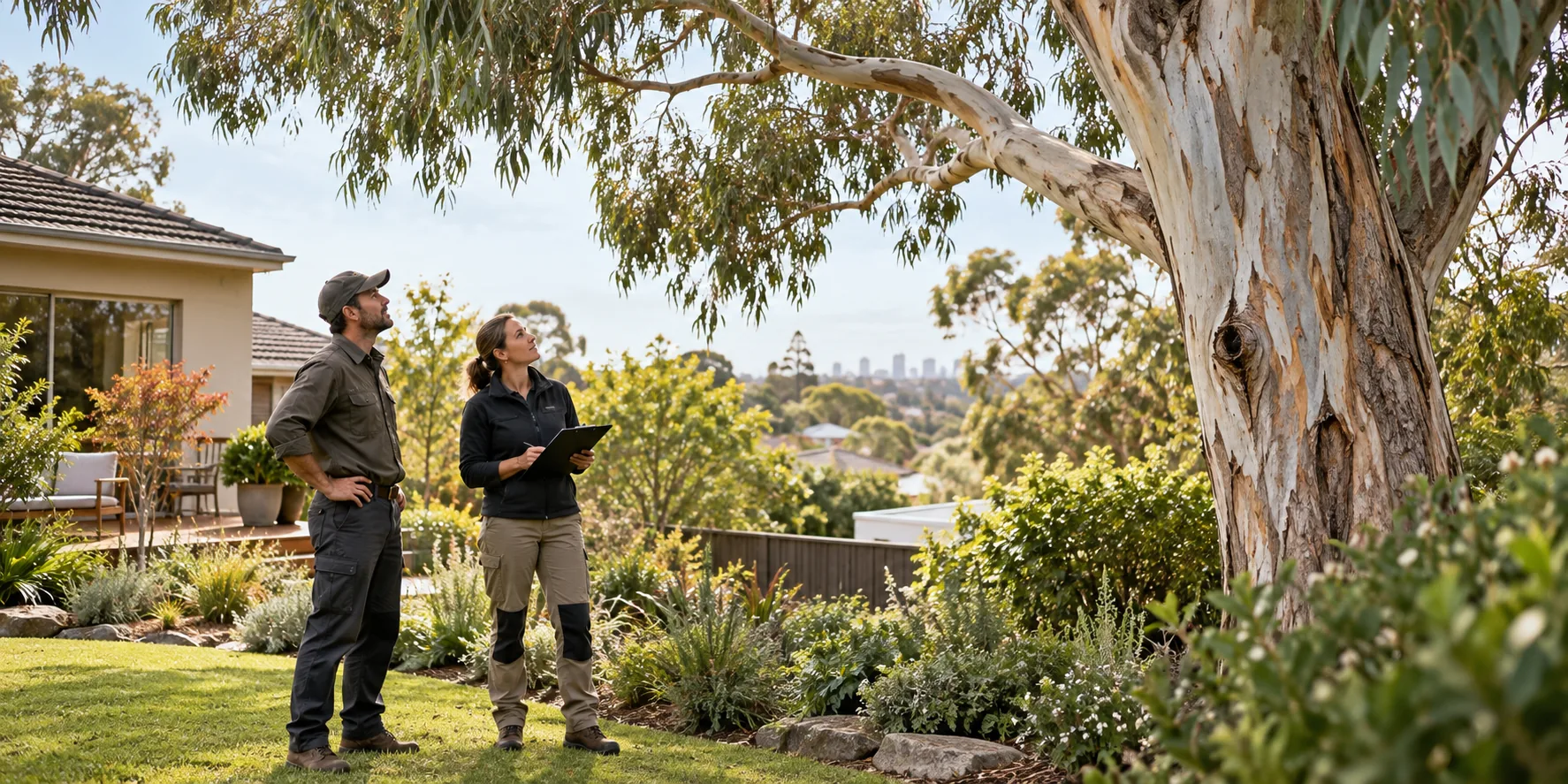
A tree health assessment can help when you have noticed a change in a tree but are unsure what is causing it or what should happen next.
The assessment starts with the condition of the tree and the signs that prompted the enquiry. That may include dead or deteriorating branches, unusual canopy changes, damaged growth, declining sections of the tree or a general concern that the tree is no longer developing as expected.
The aim is to understand the visible condition of the tree before deciding whether practical tree care, further investigation or another type of assessment is appropriate.
Tree Pruning Services Melbourne approaches tree work by considering the tree type and condition, surrounding structures and the reason for the work. A health-focused assessment applies the same principle: understand what is happening before deciding what action makes sense.
If you have noticed a change in a tree on your property, tell us what you can see and what has changed. We can discuss the appropriate next step.
When a tree health assessment may be needed
You do not need to know what is wrong with the tree before asking for an assessment.
A tree health assessment may be worth considering when you notice:
- dead, dying or deteriorating branches;
- sections of the canopy that look different from the rest of the tree;
- damaged limbs or previous branch failure;
- a noticeable change in the amount or pattern of foliage;
- an established tree that appears to be declining;
- unusual or unbalanced growth;
- visible changes after strong winds or other damage;
- a tree that has become harder to manage and you are unsure whether pruning is the right response.
Some signs may relate to routine maintenance. Others may justify closer assessment.
The important first step is to identify what has changed rather than assuming a particular treatment is required.
What a tree health assessment involves
A tree health assessment considers the observable condition of the tree and the context in which it is growing.
Relevant observations may include:
- the condition of branches and visible deadwood;
- canopy density and balance;
- damaged or deteriorating growth;
- changes in foliage or growth patterns;
- the position of affected branches;
- the tree’s relationship with nearby structures and usable areas;
- signs of previous damage or pruning;
- the reason the property owner requested the assessment.
A health assessment should not be reduced to a quick healthy-or-unhealthy label.
Trees can show changes for different reasons, and not every visible issue leads to the same recommendation. The next step should reflect what can reasonably be determined from the tree and property.
How we approach tree health concerns
1. Start with what you have noticed
The customer often has the most useful starting information.
You may have noticed a branch deteriorating, one side of the canopy changing, unusual leaf loss or a gradual decline over time. Explaining what changed and when you first noticed it helps define the concern.
2. Look at the tree as a whole
A single dead branch does not tell the full story.
The branch condition, surrounding canopy, tree form and other visible changes need to be considered together before deciding whether the issue appears isolated or more widespread.
3. Consider the property around the tree
A tree does not exist separately from the site.
Branches may extend near roofs, fences, paths, driveways, gardens or neighbouring property. These conditions can affect which issues need attention and what type of tree work may be practical.
4. Separate health concerns from pruning objectives
Sometimes a customer asks for pruning because the tree looks unhealthy. Pruning may be appropriate in some situations, but the reason for the decline should not automatically be assumed.
If the main problem is dead branches, deadwood removal may be relevant. If the tree is healthy but overgrown, tree pruning may address a different need.
5. Identify the appropriate next step
The next step may involve tree care, monitoring, a different assessment or no immediate pruning work.
The purpose of the assessment is to reduce uncertainty before work is recommended.
Tree health assessment is different from tree risk assessment
Tree health and tree risk are related, but they are not the same question.
A tree health assessment focuses on the condition and apparent health of the tree. It may begin because of changes in foliage, branch decline, damaged growth or other signs that something about the tree has changed.
A tree risk assessment focuses more specifically on the potential for tree or branch failure and the consequences if that occurs.
A tree can therefore prompt a health concern without necessarily presenting an immediate risk issue. Likewise, a structural concern may require risk-focused assessment even when much of the tree appears healthy.
Keeping these purposes separate helps avoid turning every health concern into a safety claim.
For risk-focused enquiries, see tree risk assessment Melbourne.
Tree health assessments around Melbourne properties
Established trees around Melbourne homes can sit close to roofs, driveways, fences, outdoor areas and neighbouring properties.
That context matters when a tree begins to change.
A deteriorating branch over an unused part of a garden raises a different practical concern from similar growth above a driveway or regularly used path. Dense surrounding gardens can also make changes in a canopy harder for a property owner to interpret from ground level.
The assessment should therefore consider both the tree and where it sits on the property.
Local council controls may also become relevant if later work is proposed. Requirements can vary between councils, properties and trees, so any approval question should be checked against the relevant local rules rather than assumed from a Melbourne-wide standard.
Who a tree health assessment is for
A tree health assessment may be useful for:
- homeowners who have noticed a change in an established tree;
- residential property owners unsure whether a tree needs pruning or further investigation;
- landlords and property investors responding to concerns about a tree;
- property managers who need to understand an observed tree issue before arranging work;
- owners corporations dealing with changes in trees around shared property;
- commercial property owners who need a clearer understanding of a tree’s condition before deciding what to do next.
The customer does not need to identify the cause before enquiring. A description of the visible problem is a useful place to start.
What to expect
A tree health enquiry can begin with a simple description of what you have noticed.
-
Tell us what has changed.
Explain the visible signs, where the tree is located and what is concerning you. -
Discuss the tree and property.
Clarify the tree condition you have noticed, surrounding structures and any recent damage or changes that may be relevant. -
Assess the concern.
Consider the observable tree condition and whether the issue appears to require tree care or another form of assessment. -
Discuss the appropriate next step.
This may involve pruning-related work, further investigation or another service depending on the concern. -
Confirm any proposed work separately.
If tree work is recommended, the scope should be explained before you decide whether to proceed.
You do not need to diagnose the tree yourself before starting this process.
What a tree health assessment does not automatically mean
Requesting a health assessment does not automatically mean a tree needs major pruning or removal.
It also should not be treated as an automatic diagnosis from one visible symptom.
For example:
- a dead branch may require targeted deadwood removal rather than broader canopy work;
- overgrown branches may point to a maintenance issue rather than poor tree health;
- storm-damaged growth may need to be assessed in the context of the rest of the tree;
- a concern about possible failure may be better addressed through a risk-focused assessment;
- a request for formal written documentation may fall under a separate arborist report service, subject to confirmed qualifications and service capability.
The value of the assessment is in identifying the right question before choosing the work.
Safety and property considerations
Visible tree decline should be treated calmly but not ignored where branches or damaged growth are positioned over regularly used areas.
Potential concerns can include:
- dead or deteriorating limbs;
- damaged branches;
- hanging or partially failed growth;
- branches above roofs, paths or driveways;
- changes following strong winds;
- difficult-to-observe growth high in the canopy.
Avoid climbing the tree or cutting heavy branches simply to inspect the issue more closely.
If the concern involves possible branch or tree failure, the enquiry may need to shift from general health assessment to a more specific risk assessment.
Council rules and permits
A tree health assessment itself is about understanding the tree’s condition. Council requirements become more relevant when pruning, removal or another intervention is proposed.
Rules can vary depending on:
- the local council;
- the property;
- the tree;
- planning controls;
- protected-tree provisions;
- overlays or other restrictions.
There is no single rule that applies to every tree across Melbourne.
Any council-specific requirement should be checked before work that may require approval is undertaken.
How to choose someone to assess a tree
Before engaging a provider, ask practical questions about what the assessment is intended to cover.
Useful questions include:
- What aspects of the tree will you assess?
- Is this a general health assessment, a risk assessment or a formal arborist report?
- Will you explain what you observed and why a particular next step is suggested?
- If pruning is recommended, what problem is that work intended to address?
- If specialist qualifications are required for the assessment or documentation, can those qualifications be confirmed?
- What is included in the quoted scope?
This is especially important where a council, insurer, planning process or other third party requires formal documentation. A general tree-health discussion should not be presented as a formal report unless the required service and qualifications are confirmed.
Common questions about tree health assessments in Melbourne
What is a tree health assessment?
A tree health assessment looks at the observable condition of a tree to help understand visible changes, deterioration or other concerns and identify an appropriate next step.
What signs may justify a tree health assessment?
Dead or deteriorating branches, canopy changes, damaged growth, unusual foliage patterns or a noticeable decline can all prompt an assessment.
Is a tree health assessment the same as a tree risk assessment?
No. A health assessment focuses on tree condition. A risk assessment focuses more specifically on the potential for failure and the consequences if failure occurs.
Does an unhealthy-looking tree always need to be removed?
No. A visible health concern does not automatically mean removal is appropriate. The tree and the specific issue should be assessed before deciding whether pruning, monitoring, further investigation or removal needs to be considered.
Can pruning improve a tree health problem?
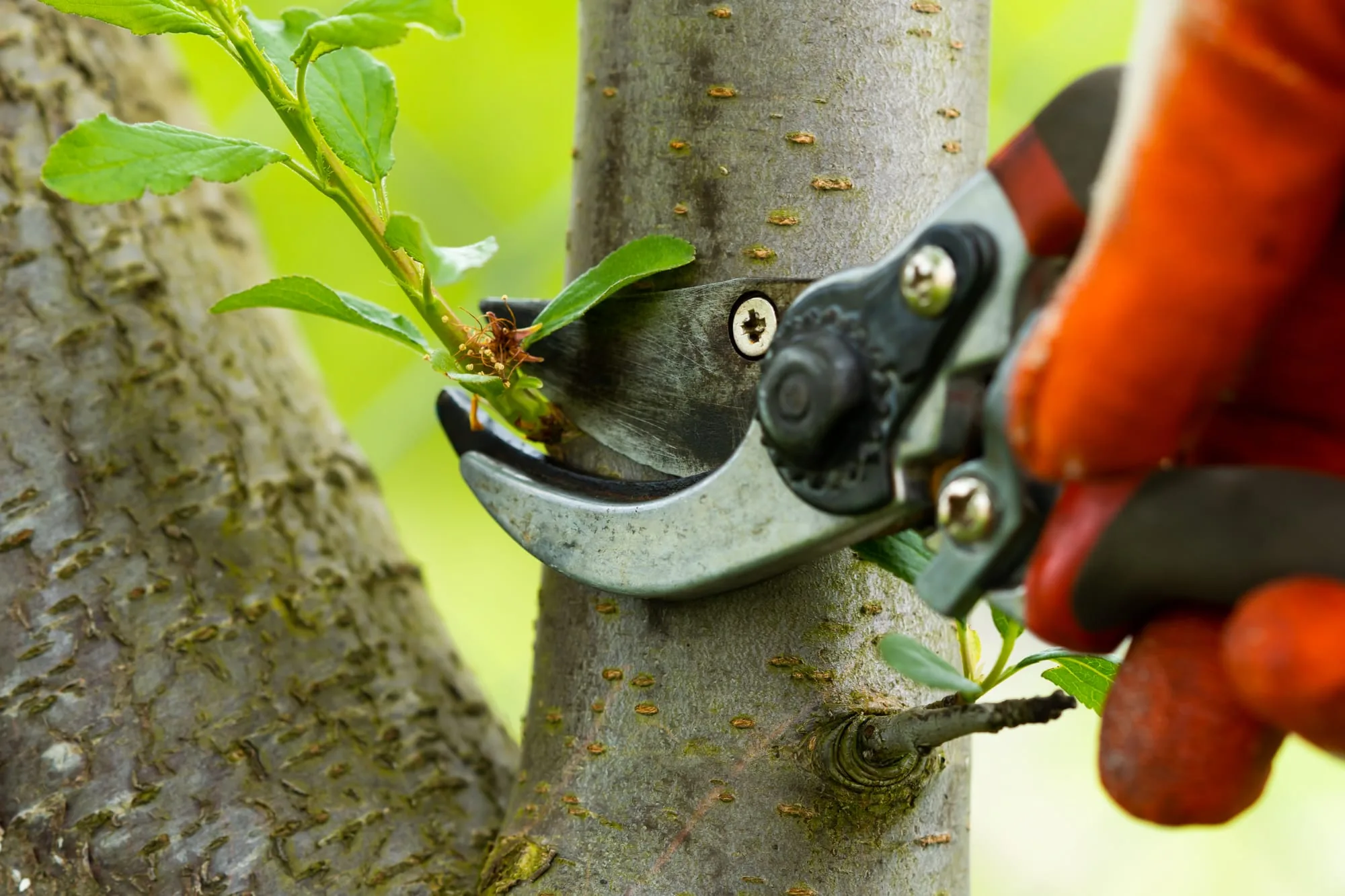
It depends on the problem. Pruning may be appropriate for dead, damaged or problematic branches, but it should not be assumed to address every cause of decline.
How much does a tree health assessment cost in Melbourne?
The cost may depend on the scope of assessment, the tree, access and whether any formal documentation or specialist assessment is required.
Do I need a qualified arborist for a tree health assessment?
The level of expertise required depends on the purpose of the assessment. If formal documentation, specialist diagnosis or a report for a council or other third party is required, confirm the relevant qualification requirements and the provider’s credentials before proceeding.
Do I need council permission for a tree health assessment?
An assessment itself is different from carrying out pruning or removal. If work is later recommended, local council or planning controls may need to be checked before that work proceeds.
Ask about a tree health concern on your Melbourne property
If a tree has changed and you are unsure what it needs, start with what you have noticed.
Tell us where the tree is located, what looks different and what is concerning you. We can discuss the appropriate next step from there.
Contact the team about a tree health assessment in Melbourne.