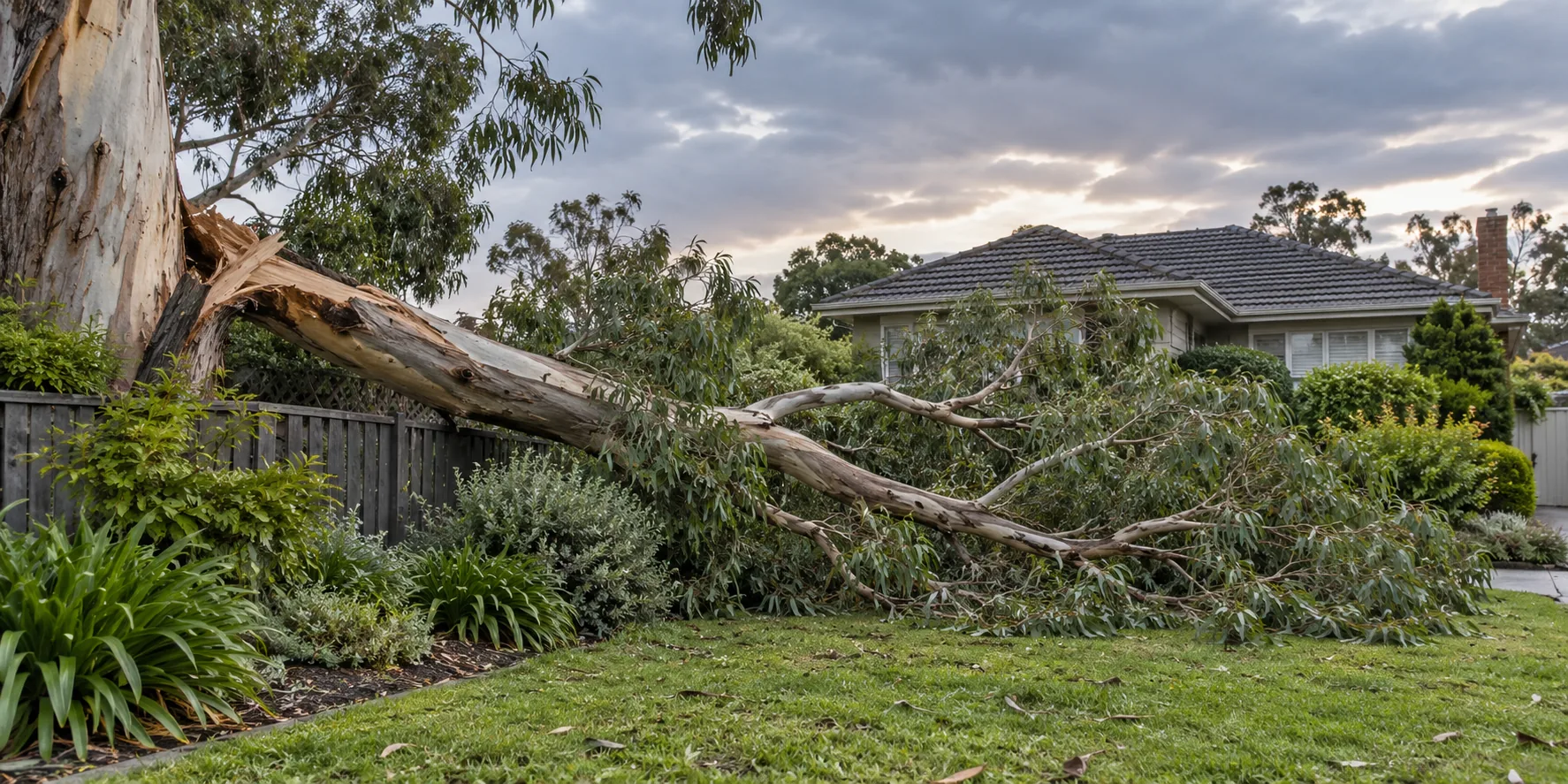
Storm damage can range from a few broken branches to a major tree failure. What matters is understanding what has changed, what remains attached to the tree, what is positioned around it and whether further tree work is appropriate.
A damaged branch may be caught in the canopy rather than lying on the ground. A large limb may have torn away and left the remaining crown uneven. A tree may have shifted or failed completely. Even where the most obvious debris has already fallen, the remaining tree may need to be considered before routine maintenance resumes.
Tree Pruning Services Melbourne focuses on practical tree care for difficult-to-manage, damaged and potentially unsafe trees. The approach considers the condition of the tree, surrounding structures, access and the reason the work is needed before deciding on the scope.
If a storm has damaged a tree on your property, tell us what happened and what you can see. The next step should reflect the actual damage rather than assuming every affected tree needs the same treatment.
When storm damaged tree services may be needed
Storm-related tree work may be worth discussing when wind or severe weather has caused a noticeable change to a tree or its branches.
Common situations include:
- a branch has broken and fallen into the garden, driveway or another part of the property;
- a damaged limb remains attached to the tree;
- branches are hanging or caught elsewhere in the canopy;
- a large limb has split or torn away;
- the tree has lost a significant section of its canopy;
- damaged branches are positioned near a roof, fence, path or outdoor area;
- the tree looks unbalanced after branch loss;
- a tree has fallen or partially failed;
- storm debris is restricting access around the property;
- a previously manageable tree now looks different enough to justify further assessment.
Storm damage is not always limited to what has landed on the ground. The remaining branches and canopy can matter just as much as the fallen material.
If you are unsure what has changed, a description of the damage and where it sits on the property is enough to begin the conversation.
What storm damaged tree services involve
The appropriate work depends on the type and extent of the damage.
The first task is to understand what happened to the tree. That includes the failed branch or section, the condition of what remains and the property around it.
Depending on the situation, the work may involve considering:
- broken or damaged branches;
- dead or deteriorating limbs exposed by the storm;
- branches that remain partly attached;
- sections of canopy affected by limb loss;
- fallen tree material;
- access to the damaged area;
- nearby roofs, fences, driveways, paths and garden structures;
- whether the remaining tree requires pruning or another assessment;
- whether removal needs to be considered because of the extent of the failure.
The goal is not to remove more of the tree simply because a storm has occurred. The work should respond to the damage that is actually present.
Where the issue is limited to a damaged branch, targeted tree branch removal may be relevant. Where the entire tree has failed or removal is otherwise being considered, the scope is different and should be treated separately.
How we approach storm-damaged trees
Start with the immediate damage
The first question is what changed during the storm.
A useful description may include whether a branch fell, whether part of the tree is still hanging, whether the tree has shifted, and whether the damage is affecting access or nearby structures.
This helps separate the visible incident from the broader condition of the tree.
Consider what remains in the canopy
Fallen material often attracts the most attention because it is easy to see. The remaining canopy can require equal consideration.
A broken limb may leave torn or damaged growth. Other branches may have been affected by the same event without falling. The loss of a major section can also change the shape and distribution of the remaining canopy.
That does not mean further pruning is automatically required. It means the remaining tree should be considered before deciding that cleanup alone has resolved the issue.
Look at the property around the tree
Storm-damaged tree work is shaped by where the damage occurred.
A branch lying in an open garden is a different situation from a branch across a driveway, above a roof or caught against a fence. Access for people and vehicles also matters when planning what happens next.
Tree type, condition, branch position, surrounding structures and access should all inform the proposed scope.
Match the work to the problem
Different storm outcomes call for different responses.
A broken branch may require branch removal. Dead or deteriorating material may point to deadwood removal. A damaged but standing tree may need a closer tree risk assessment if there is concern about further failure. A tree that has fallen or cannot reasonably remain may lead to a tree removal discussion.
Keeping those decisions separate helps avoid unnecessary work.
Consider what the tree needs after the initial work
Storm cleanup and longer-term tree care are not always the same job.
Once damaged material is dealt with, the remaining canopy may need to be monitored or considered for later maintenance. If the tree has lost substantial growth, the best next step may not be additional pruning at the same time.
The aim is to deal with the storm damage without losing sight of the condition of the tree that remains.
Storm damaged trees around Melbourne homes and properties
Melbourne properties can place trees close to roofs, garages, driveways, paths, fences, neighbouring land and outdoor living areas. Those surroundings can make storm damage more disruptive even when the affected part of the tree is relatively contained.
For homeowners, the first concern may be a branch blocking access or resting on part of the property. Landlords and property managers may need to understand whether the issue is limited to cleanup or whether the remaining tree needs further attention. Owners corporations may be dealing with trees around shared driveways, common gardens or frequently used areas.
The same storm can also affect trees differently. One tree may shed small branches while another loses a major limb. The response should therefore be based on the individual tree and site rather than a general assumption about storm damage.
Local council and planning controls may become relevant if substantial pruning or tree removal is proposed. These requirements vary across Melbourne and should be checked for the relevant property and tree.
Who storm damaged tree services are for
Storm-damaged tree services may be relevant for:
- homeowners dealing with broken or fallen branches;
- property owners concerned about damage remaining in a tree after strong winds;
- landlords and investors responding to tree damage at a residential property;
- property and facilities managers arranging assessment or tree work after a weather event;
- owners corporations dealing with damaged trees in common areas;
- commercial property owners managing storm-related tree issues around access areas, buildings or outdoor spaces;
- anyone unsure whether a damaged tree needs pruning, branch removal, assessment or removal.
You do not need to identify the exact service before enquiring. Start with what happened, what is damaged and what part of the property is affected.
What to expect
Storm damage can make it tempting to jump straight to a solution. A clearer process starts with the condition of the tree and the site.
1. Tell us what happened
Explain the storm damage you can see. Useful details include whether branches have fallen, whether anything remains hanging, whether the tree itself has moved and whether access or structures are affected.
2. Discuss the property conditions
The position of the tree, nearby structures and access can change the scope of the work. These details help establish what needs closer attention.
3. Assess the damage and remaining tree
The obvious failed material is considered alongside the remaining branches and canopy. This helps determine whether the problem is limited to specific damage or whether further assessment is appropriate.
4. Confirm the proposed tree work
If work is appropriate, the proposed scope should reflect the actual damage. That may be targeted branch work, pruning, removal of fallen material or another tree service depending on the situation.
5. Consider any follow-up need
A tree that has lost a substantial branch or section of canopy may need a different longer-term plan from a tree with minor storm damage. Any follow-up should be based on the remaining condition rather than added automatically.
No fixed response time or attendance window is assumed. If the situation is urgent, explain that clearly when making contact so current availability can be discussed.
Safety and property considerations after storm damage
Storm-damaged trees can create conditions that are difficult to judge from ground level.
Particular care is warranted where:
- a large branch remains partly attached;
- damaged material is suspended in the canopy;
- a limb is resting on a roof, fence or other structure;
- the tree has visibly shifted or partially failed;
- branches are affecting a driveway, path or frequently used area;
- damaged growth is near overhead electrical infrastructure;
- further wind may affect material that is already compromised.
Do not climb a damaged tree or work underneath hanging branches to inspect them more closely.
If a tree or branch is in contact with powerlines or electrical infrastructure, keep clear and contact the relevant electricity network operator or emergency authority rather than attempting to move the material yourself.
Where there is an immediate threat to people or a life-threatening situation, contact the appropriate emergency service.
For urgent tree-related enquiries that are not limited to storm damage, see emergency tree services Melbourne.
Council rules and permits
Storm damage does not create one universal exemption from local tree controls across Melbourne.
Whether approval is relevant can depend on:
- the local council;
- the property and planning controls;
- the tree involved;
- the type and extent of proposed work;
- whether the work is pruning or removal;
- protected-tree provisions or overlays;
- the circumstances surrounding the damage.
Where work is needed to address an immediate safety issue, the relevant council may have specific requirements or processes. Those requirements should be checked for the property rather than assumed.
If the situation is not immediately dangerous, it can be useful to clarify the proposed scope before determining whether council permission is needed.
Documentation requirements may also differ where a council, insurer or another third party is involved. If formal written assessment is requested, confirm what type of arborist report is actually required and what qualifications the recipient expects.
How to choose a provider for storm-damaged tree work
Storm damage can create pressure to act quickly, but it is still useful to understand what a provider is proposing and why.
Ask practical questions such as:
- What part of the tree appears to require work?
- Is the proposed work limited to damaged material, or is additional pruning being recommended?
- What will happen to the remaining canopy after the damaged branch or section is dealt with?
- Are nearby roofs, fences, paths or other structures affecting the work?
- Does the tree need further health or risk assessment before a larger decision is made?
- If removal is recommended, what aspect of the damage is driving that recommendation?
- Are formal qualifications or reports required for the decision being made?
- What is included in the proposed scope?
If a provider relies on arborist qualifications, insurance, licences or other credentials, ask for those details to be confirmed rather than assuming them from general marketing language.
The useful outcome is a clear explanation of the damage, the proposed work and why that work matches the condition of the tree.
Common questions about storm damaged trees in Melbourne
What should I do if a storm damages a tree on my property?
Keep clear of hanging branches, partially failed limbs and areas where further material could fall. Note what has happened and contact an appropriate tree service to discuss the damage. If there is an immediate threat to people, contact the appropriate emergency service.
Does a storm-damaged tree always need to be removed?
No. Storm damage can affect a single branch, part of the canopy or the entire tree. The appropriate response depends on the extent of the damage, what remains and the surrounding property conditions.
Can a broken branch just be cut off?
Sometimes targeted branch removal may be appropriate, but the branch position, the way it has failed and the condition of the remaining tree should be considered first. Large, hanging or partly attached branches should not be treated as a simple DIY cutting job.
What if a branch has fallen across my driveway?
Avoid moving large or unstable material if doing so could put you underneath damaged branches or near further hazards. Explain that access is blocked when you contact a tree service so the site conditions can be discussed.
What if a tree has fallen completely?
A fallen tree may require removal of the tree material and consideration of the remaining stump or root area. For the removal-specific service, see tree removal Melbourne. The exact scope depends on where the tree has fallen and what it is affecting.
What is the difference between storm damage services and emergency tree services?
Storm-damaged tree services focus specifically on tree and branch damage caused by severe weather. Emergency tree services cover a broader range of urgent tree situations, which may or may not be storm-related.
Should the remaining tree be assessed after a large branch fails?
It can be sensible to consider the remaining tree, especially after significant limb loss or where there is concern about further failure. The appropriate level of assessment depends on what happened and what remains.
Can storm damage be fixed with pruning?
Pruning may be part of the response where damaged or problematic branches need attention. It is not automatically the right response to every type of storm damage, and excessive pruning should not be assumed simply because the canopy has already lost branches.
Do I need council permission to remove a storm-damaged tree in Melbourne?
Requirements vary between councils, properties and trees. Storm damage should not be treated as an automatic Melbourne-wide exemption. Check the rules that apply to the property and proposed work.
How much do storm damaged tree services cost in Melbourne?
No confirmed price range is available for this service. The scope can vary considerably depending on the size and position of damaged material, access, surrounding structures, whether the tree has fallen and what work is required. A quote should be based on the actual job rather than a generic storm-damage price.
Ask about a storm-damaged tree on your Melbourne property
If strong wind or a storm has damaged a tree, start by telling us what happened and what you can see from a safe position.
Explain whether branches have fallen, whether damaged material remains in the tree, what part of the property is affected and whether access is restricted. From there, the appropriate next step can be discussed without assuming the tree needs more work than the damage requires.
Contact the team about storm-damaged tree services in Melbourne.