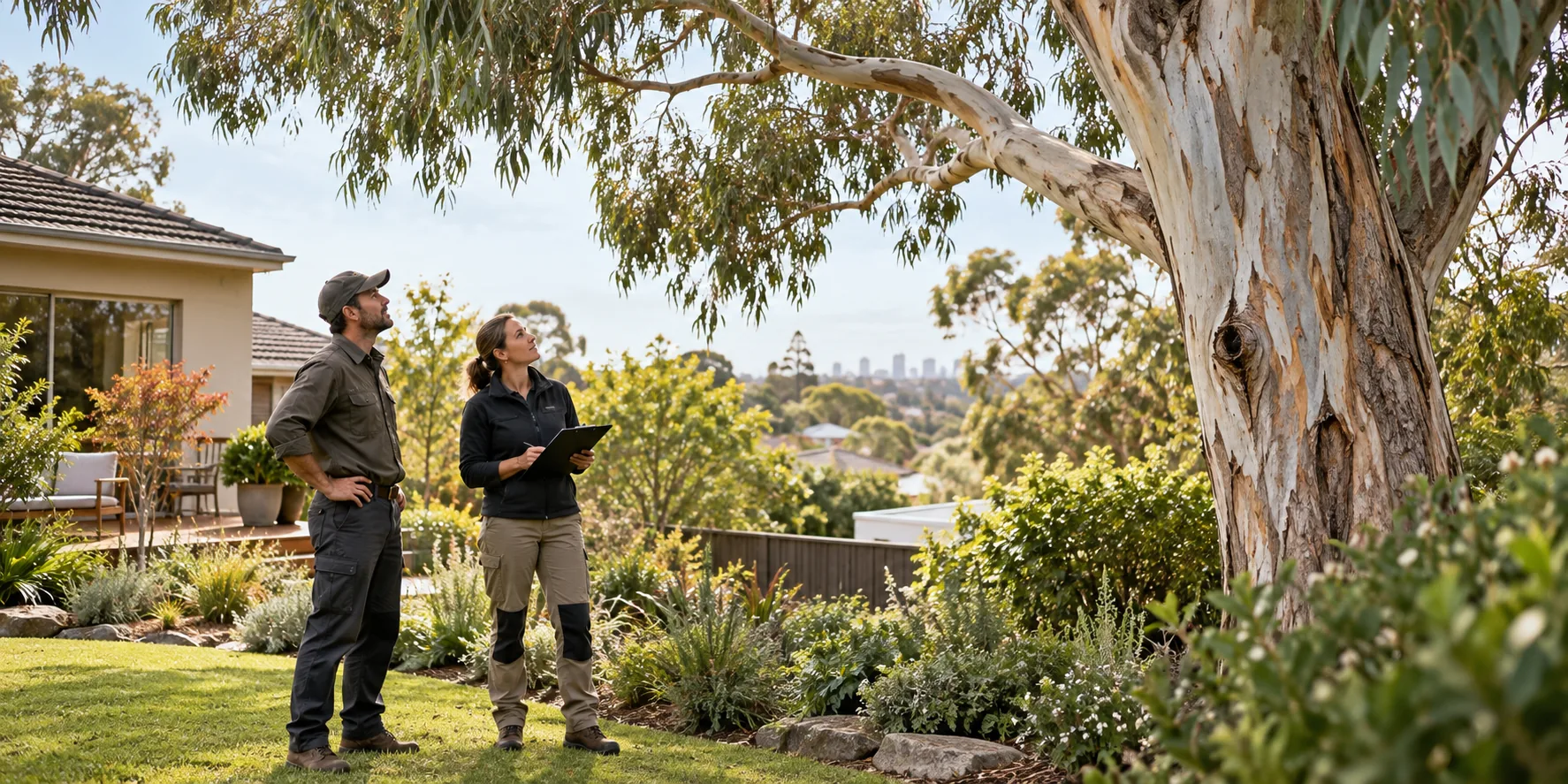
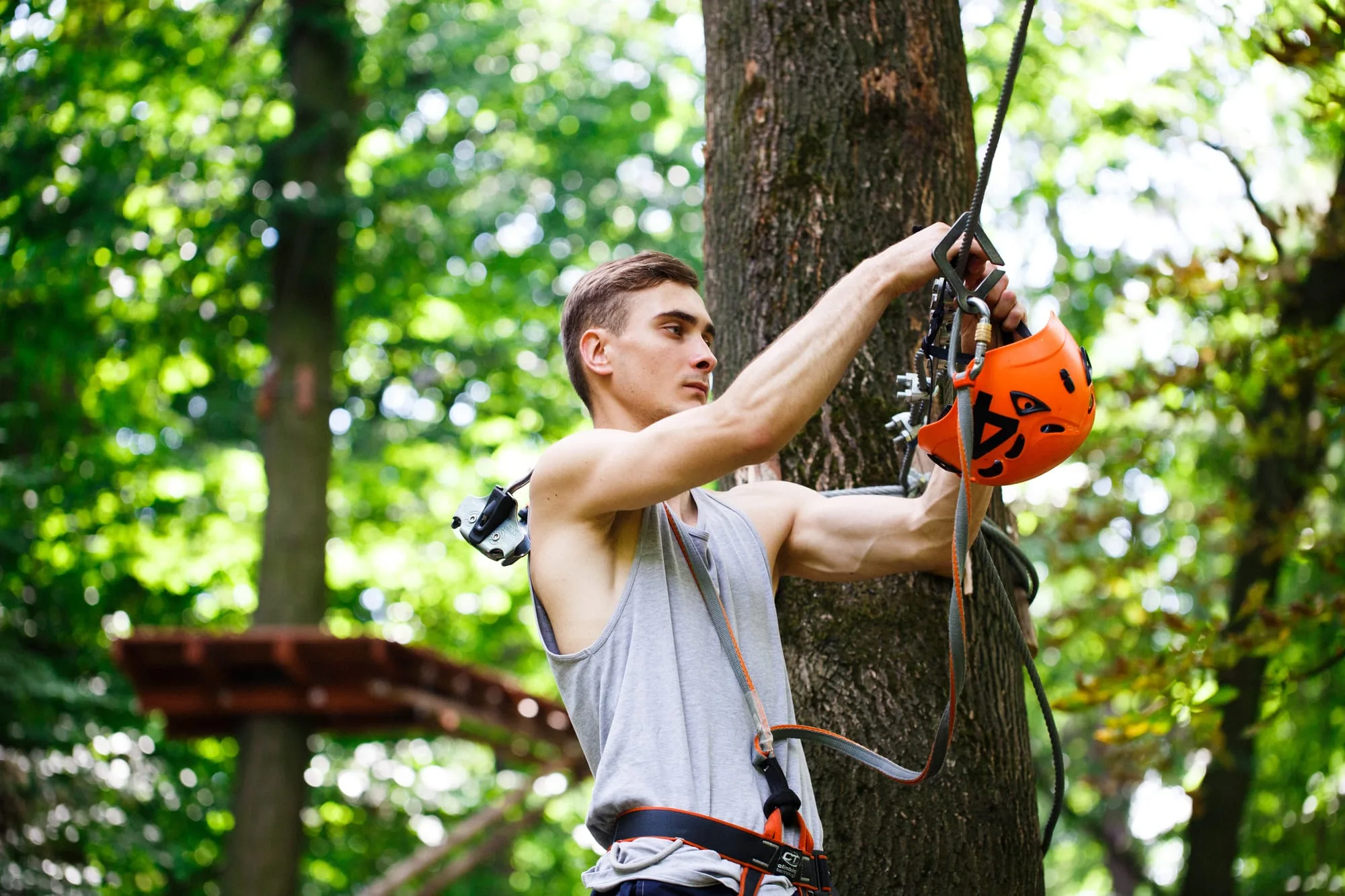
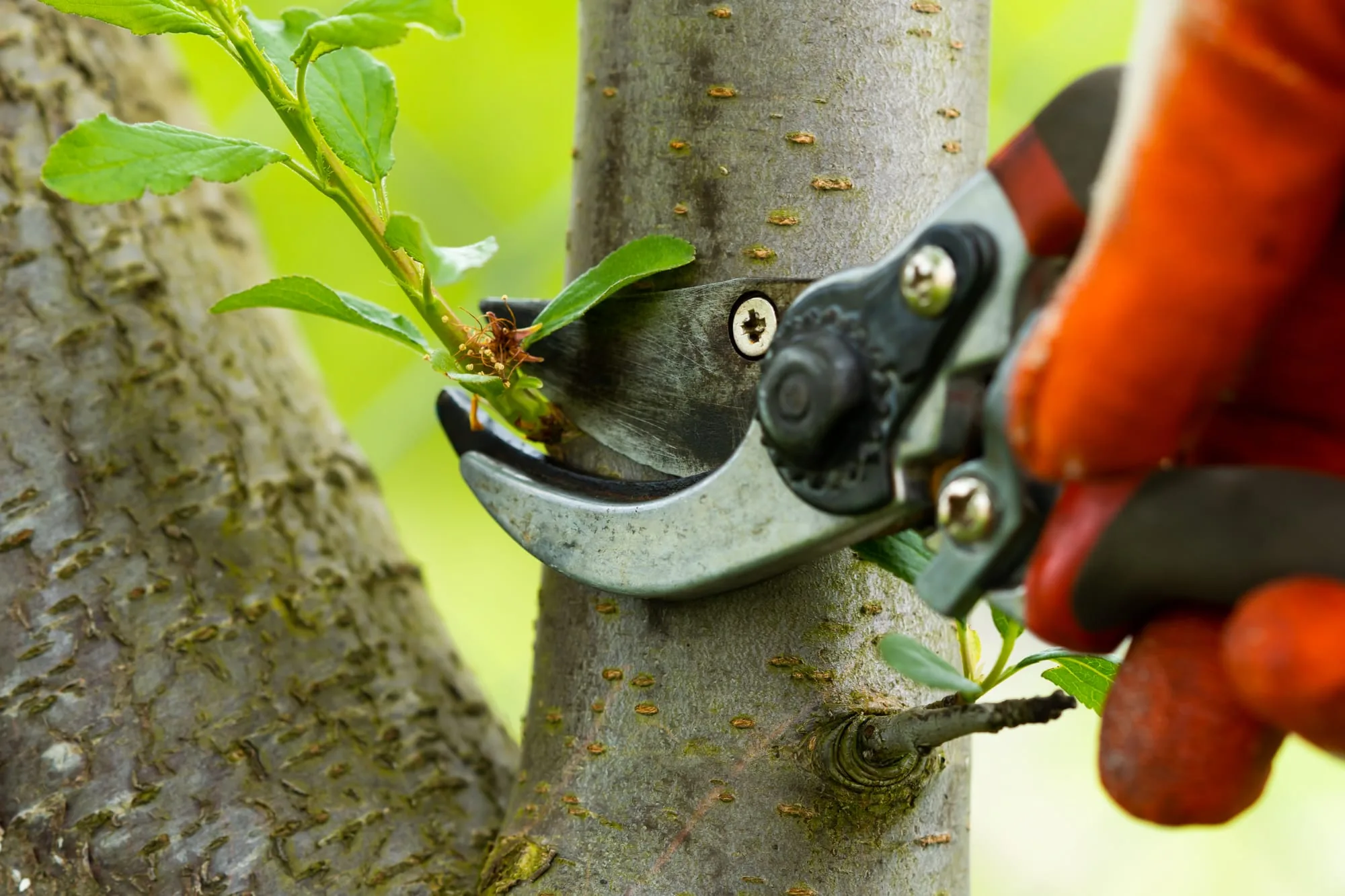
A tree risk assessment can help when a tree or branch has raised a genuine safety concern and you are unsure what should happen next.
The concern may involve dead or deteriorating limbs, storm damage, a significant change in the tree, branches over frequently used areas or another visible issue that makes you question the likelihood and consequences of failure.
The aim is not to create fear around every imperfect tree. Trees naturally contain branches of different sizes, shapes and conditions. The purpose is to look at the specific concern in the context of the tree, the property and the areas around it before deciding what response makes sense.
Tree Pruning Services Melbourne already considers tree condition, surrounding structures and the reason for proposed work when assessing pruning-related jobs. A risk-focused enquiry puts those factors at the centre of the decision.
If you have noticed a tree or branch that concerns you, tell us what you can see, where it is located and what sits around it. We can discuss the appropriate next step.
When a tree risk assessment may be needed
A risk assessment may be worth considering when there is a specific concern about a tree or part of a tree failing and causing harm or property damage.
Situations that may prompt an enquiry include:
- dead, damaged or deteriorating branches above a used area;
- a limb that has cracked, split or changed position;
- storm-affected branches or canopy sections;
- branches extending over roofs, driveways, paths or outdoor areas;
- a tree that appears noticeably different after strong winds;
- previous branch failure that raises questions about the remaining canopy;
- large branches positioned near neighbouring property or structures;
- a tree that has become difficult for the property owner to assess safely from ground level.
The presence of one of these signs does not automatically mean the whole tree needs to be removed. It means the concern should be considered in context before work is chosen.
What a tree risk assessment involves
A tree risk assessment focuses on the relationship between a potential tree or branch failure and what could be affected if that failure occurred.
Relevant factors can include:
- the part of the tree causing concern;
- visible branch or tree condition;
- the size and position of the branch or tree section;
- signs of damage or deterioration;
- recent changes noticed by the property owner;
- roofs, fences, paths, driveways and outdoor areas nearby;
- neighbouring property;
- how often the area beneath or beside the tree is used;
- whether the concern appears isolated or relates to a larger part of the tree.
The assessment should lead to a practical question: does the concern justify tree work, further specialist assessment, monitoring or another response?
It should not begin with the assumption that removal is the answer.
How we approach a tree risk concern
1. Start with the specific concern
The first step is to understand what prompted the enquiry.
A customer may have noticed a dead limb, a fresh crack, storm damage, a branch over a roof or a change in the tree that is difficult to interpret. Describing what changed helps narrow the assessment to the actual issue.
2. Consider the condition of the affected area
The visible condition of the branch, canopy section or tree needs to be considered rather than relying on its size alone.
Deadwood, deterioration, previous damage and unusual movement or position may all be relevant depending on the situation.
3. Consider what is within reach
Risk depends partly on what could be affected if a branch or tree section failed.
A branch over an unused garden bed presents a different property context from a similar branch over a driveway, entrance, roof or regularly used outdoor area.
4. Look at practical site conditions
Access, surrounding buildings, fences, gardens, neighbouring property and overhead services can affect both the concern and the options for addressing it.
The recommended response needs to work for the tree and the property around it.
5. Match the response to the problem
A specific branch concern may lead to tree branch removal or deadwood removal. A broader canopy issue may call for tree pruning. In other situations, further assessment or removal may need to be considered.
The point is to choose the response after understanding the concern, not before.
Tree risk assessment around Melbourne homes and properties
Melbourne properties often place established trees close to the areas people use every day.
A mature tree may sit beside a narrow driveway, near a tiled roof, along a boundary fence or over an outdoor area. Branches may extend towards neighbouring property, and access around established gardens and structures can be limited.
These site conditions matter because risk is not determined by the tree alone. The position of a concerning branch and the use of the area around it affect how the issue should be considered.
Strong winds can also draw attention to existing damage or create new concerns. A post-wind change does not automatically mean a tree is unsafe, but visible damage or a changed branch position can justify closer assessment.
Who a tree risk assessment is for
A tree risk assessment may be relevant for:
- homeowners concerned about a tree or branch near the house;
- residential property owners who have noticed damage or deterioration;
- landlords and property investors responding to a tree-safety concern;
- property managers who need to understand a reported tree issue before arranging work;
- owners corporations dealing with trees near shared access or common areas;
- commercial property owners concerned about trees near buildings, parking, access or outdoor areas.
The customer does not need to decide whether a tree is hazardous before enquiring. The useful starting point is the visible concern and the property context.
What to expect
You do not need to diagnose the tree yourself before starting a risk-focused enquiry.
-
Tell us what you have noticed.
Explain the branch or tree concern, where it is located and whether anything has recently changed. -
Discuss the property context.
Clarify what sits around the tree, which areas are regularly used and any access issues that may be relevant. -
Assess the concern.
Consider the observable tree or branch condition together with its position and surrounding property. -
Discuss the appropriate response.
The next step may involve pruning, branch removal, deadwood removal, further assessment or another service depending on the concern. -
Confirm any proposed work separately.
If tree work is proposed, the scope should be explained before you decide whether to proceed.
A risk assessment should reduce uncertainty. It should not pressure a property owner into unnecessary work.
Tree risk assessment is different from tree health assessment
Tree health and tree risk can overlap, but they answer different questions.
A tree health assessment focuses on the apparent condition of the tree. It may be prompted by canopy decline, unusual foliage, deteriorating growth or another change that suggests the tree is not developing as expected.
A tree risk assessment is more specifically concerned with potential failure and what could be affected if failure occurred.
For example, a declining tree may need a health-focused assessment even where there is no immediate concern about nearby people or property. A damaged branch over a driveway may raise a risk question even if the rest of the tree appears to be in reasonable condition.
Separating these questions helps keep the recommendation focused on the actual problem.
Safety and property considerations
A possible tree-failure concern deserves a more cautious approach than routine maintenance.
Do not climb a tree, stand beneath a visibly damaged hanging branch or attempt to cut heavy damaged limbs simply to investigate the issue.
Relevant concerns can include:
- dead or hanging branches;
- cracked or partly failed limbs;
- heavy branches over buildings or used areas;
- damaged growth following strong winds;
- unpredictable branch loads;
- nearby roofs, fences, gardens and driveways;
- neighbouring property;
- overhead services.
Where there is an immediate danger, keep people away from the affected area and use the appropriate emergency pathway. For immediate danger, use the appropriate emergency pathway.
Council rules and permits
A tree risk assessment does not automatically provide permission to prune or remove a tree.
Local requirements can vary depending on:
- the council;
- the property;
- the tree;
- planning controls;
- protected-tree rules;
- overlays or other restrictions.
If pruning or removal is proposed after the assessment, the relevant local requirements should be checked before work proceeds where approval may be required.
There is no single Melbourne-wide council rule that applies to every tree and property.
How to choose a tree risk assessment provider
The scope of the assessment should be clear before you engage someone.
Useful questions include:
- What part of the tree or property will the assessment cover?
- What visible factors are you considering and why?
- Is this a general risk-focused assessment or a formal written arborist report?
- Will you explain why any pruning or removal work is being recommended?
- If a formal methodology or specialist qualification is required, can you confirm the relevant credentials?
- What is included in the quoted scope?
This distinction matters if a council, insurer, planning process or another third party requires formal documentation. Do not assume a general site assessment will satisfy a formal reporting requirement.
Common questions about tree risk assessments in Melbourne
What is a tree risk assessment?
A tree risk assessment considers a potential tree or branch failure in the context of its condition, position and what could be affected if failure occurred. The aim is to identify an appropriate next step rather than automatically recommend removal.
What are signs that a tree may need a risk assessment?
Dead or damaged limbs, fresh cracks, storm damage, previous branch failure and concerning branches over frequently used areas can all justify closer assessment.
Does a risky branch mean the whole tree needs to be removed?
No. A concern may relate to one branch or one part of the canopy. The appropriate response depends on the specific issue and the condition of the rest of the tree.
What is the difference between a tree risk assessment and a tree health assessment?
A health assessment focuses on the tree’s apparent condition and signs of decline. A risk assessment focuses more specifically on possible failure and the consequences if it occurs.
Is a tree risk assessment the same as an arborist report?
Not automatically. A formal arborist report may have specific documentation and qualification requirements. Those requirements and the provider’s credentials should be confirmed where a formal report is needed.
How much does a tree risk assessment cost in Melbourne?
Cost can depend on the assessment scope, tree size and location, access, the number of trees involved and whether formal documentation or specialist assessment is required.
Do I need a qualified arborist for a tree risk assessment?
The qualification required depends on the purpose and scope of the assessment. If a council, insurer or other third party requires a formal assessment, confirm the required qualification and the provider’s credentials before proceeding.
Do I need council permission after a tree risk assessment?
Possibly, if pruning or removal is proposed. Requirements vary by council, property, tree and planning controls, so the relevant local rules should be checked before regulated work proceeds.
Discuss a tree risk concern on your Melbourne property
If you are concerned about a tree or branch, start with what you have noticed, where it is located and what sits around it.
You do not need to decide whether the tree is dangerous or choose the treatment yourself. We can discuss the concern and the appropriate next step from there.
Contact the team about a tree risk assessment in Melbourne.