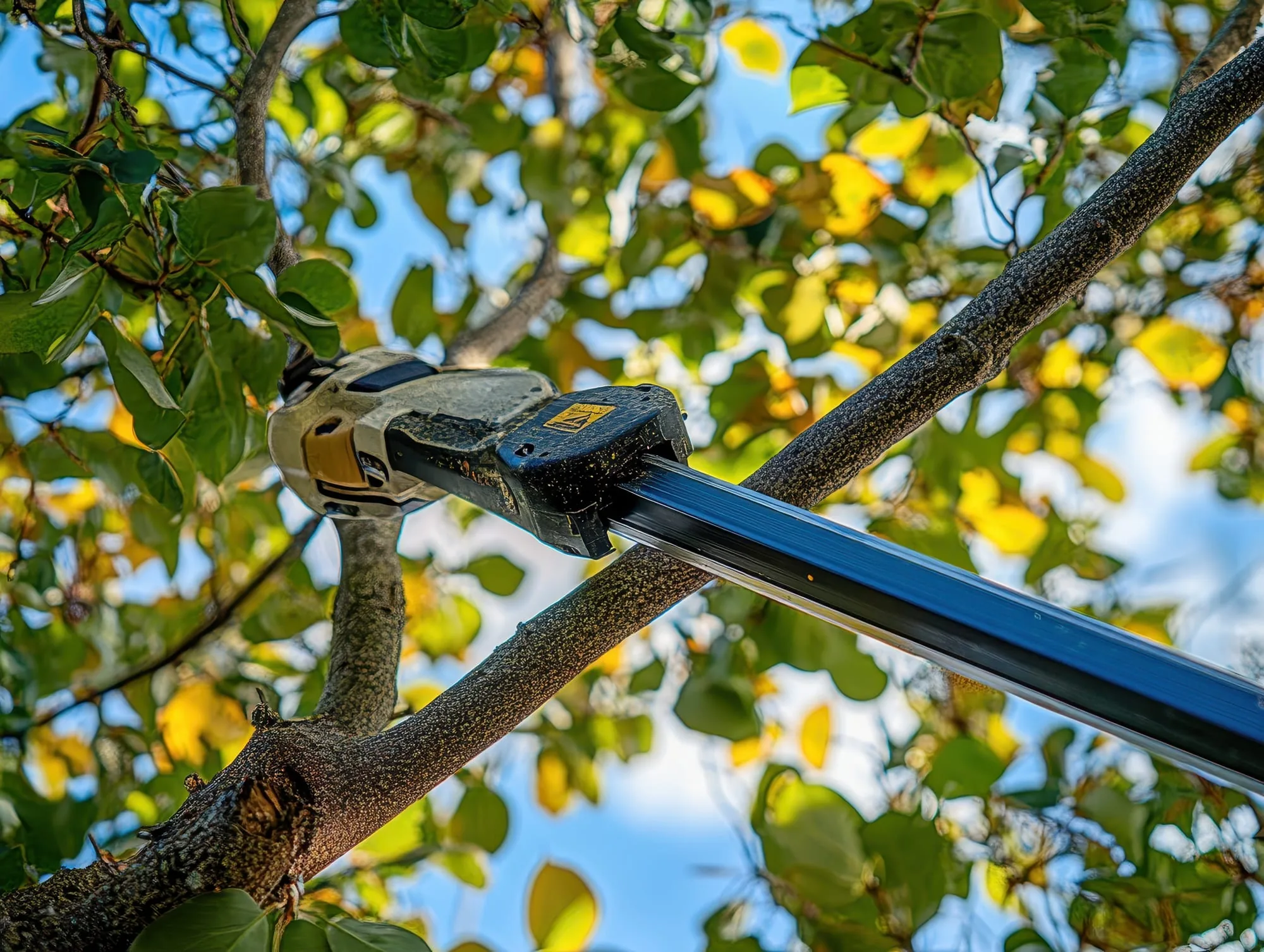
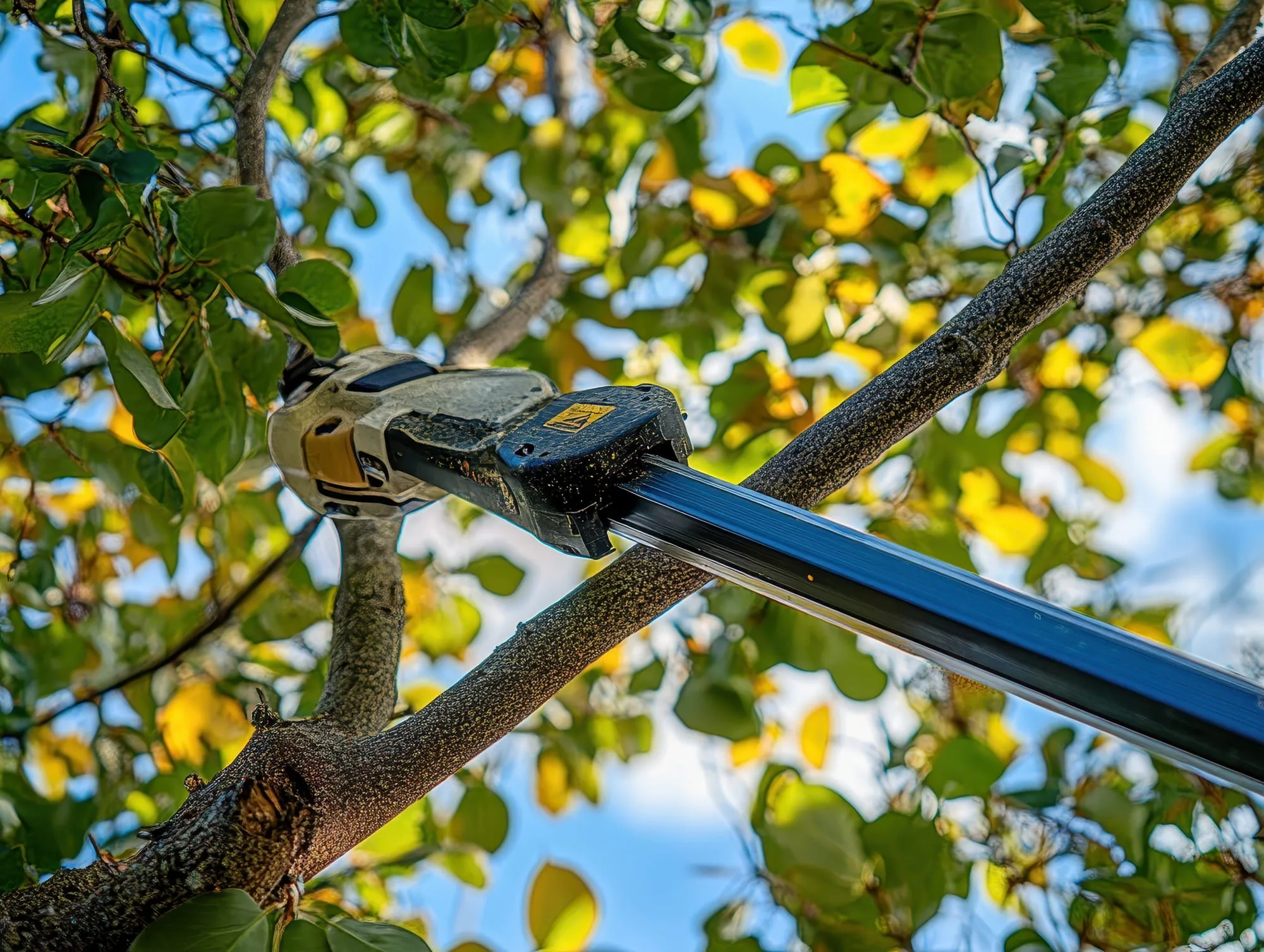
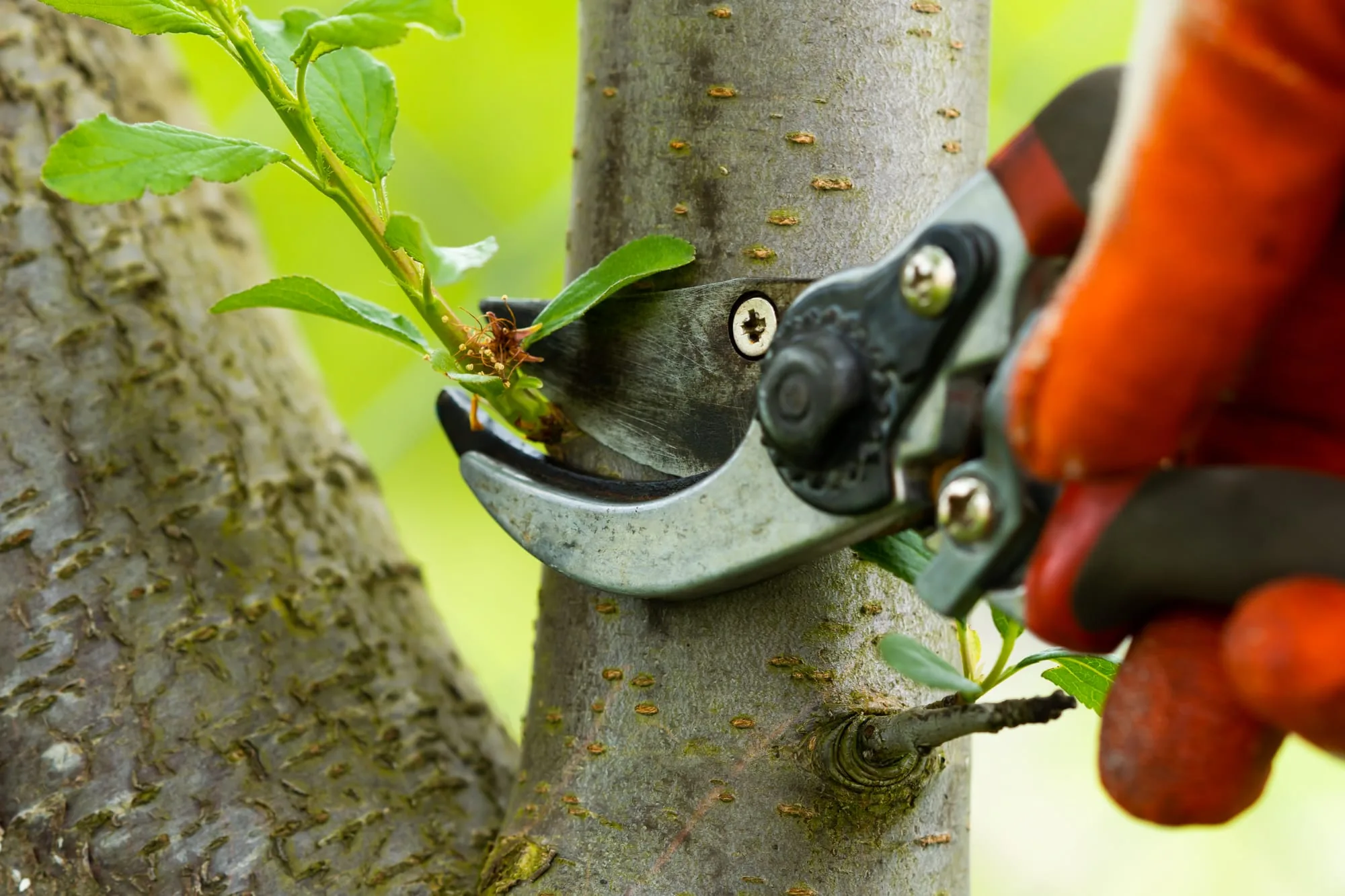
A single branch can create a very specific problem. It may be damaged after strong winds, grow across a driveway, extend above a roof, interfere with a fence or become difficult to manage because of its height, weight or position.
Tree branch removal focuses on selected limbs rather than automatically reducing the whole canopy or removing the entire tree. The right approach depends on the branch itself, where it joins the tree, what sits below or beside it, and why you want it removed.
Tree Pruning Services Melbourne provides practical tree pruning and related tree care for properties across Melbourne. If you are concerned about a particular branch, tell us what you have noticed, where the tree is located and what you want to achieve. The branch and surrounding site can then be considered before the scope of work is confirmed.
When Tree Branch Removal May Be Needed
Branch removal is usually considered because one or more limbs have become a problem in their own right.
Common situations include:
- a dead or deteriorating branch remaining in the canopy;
- a limb that has cracked, split or been damaged by strong winds;
- branches extending over a roof, garage, shed or other structure;
- growth reducing clearance along a driveway, path or access point;
- a branch interfering with a fence or established garden area;
- limbs extending into neighbouring property;
- branches positioned over areas where people regularly walk, park or spend time; or
- a large branch that has become difficult to manage because of its height, weight or location.
The reason for removal matters. A small branch blocking access is a different job from a heavy limb above a tiled roof. A broken branch still attached to the tree also presents different considerations from healthy growth that simply needs clearance.
A visible problem should therefore be assessed in the context of the whole branch and the tree it is attached to.
What Tree Branch Removal Involves
Tree branch removal means selectively removing one or more limbs while leaving the rest of the tree in place. It can form part of a broader pruning job, but it may also be the main service required where the concern is limited to a particular section of the tree.
Before deciding what should be removed, relevant factors can include:
- the condition of the branch;
- the branch’s size and weight;
- its height above the ground;
- how and where it joins the tree;
- whether other branches are affected;
- what sits below or beside the limb;
- access to the work area; and
- how removing the branch may affect the remaining tree.
The objective is not simply to cut a branch at the easiest point. The proposed work should address the actual problem while considering the tree’s structure and the property around it.
Where several branches are involved, the job may be better treated as a broader tree pruning service. Where the condition of the tree raises concerns beyond an individual limb, further assessment or another type of tree work may be required.
How We Approach Branch Removal
We start with the branch that prompted the enquiry and the reason it is causing concern.
For example, a branch may be healthy but growing across a roofline. Another may be dead and positioned above a driveway. A third may have split during strong winds but remain partly attached to the canopy. These situations may all lead someone to search for branch removal, but they do not call for the same scope of work.
We consider the branch in relation to the rest of the tree. Its attachment point, weight, position and surrounding growth can affect how much work is appropriate. Removing one large limb can also have a greater effect on the tree than removing several small branches, so the amount and location of branch removal should be considered carefully.
The property also affects the plan. A branch above open lawn provides different working conditions from one above a house, garden, fence or narrow side access. Understanding the site before the work begins helps define what is practical and what needs additional care.
Tree Branch Removal Around Melbourne Properties
Melbourne’s established properties often place trees close to houses, garages, fences, driveways and neighbouring blocks. As trees mature, individual limbs can extend into spaces that were clear when the tree was smaller.
A branch growing above a tiled roof may create a clearance issue. A limb beside a narrow driveway can reduce access for vehicles. Growth across a boundary can become a concern for neighbouring properties, while damaged limbs after strong winds may draw attention because their condition has changed.
The built environment matters because a branch does not need to be unusually large to create a difficult job. Its position can be just as important as its size. A medium branch in an open garden may be straightforward to assess, while the same-sized branch above a structure or confined area may require more careful planning.
This is why branch removal should be considered as site-specific tree work rather than a standard cutting task.
Who Tree Branch Removal Is For
This service may be relevant to people responsible for trees around residential, managed or commercial properties where particular branches are causing a defined problem.
This can include:
- homeowners concerned about branches around roofs, driveways, fences or outdoor areas;
- residential property owners dealing with damaged or deteriorating limbs;
- landlords and property investors arranging work around a rental property;
- property and facilities managers responding to branch-related maintenance concerns;
- owners corporation or body corporate properties managing trees around shared areas;
- commercial property owners dealing with branches near buildings, access points or frequently used spaces; and
- real estate or property maintenance professionals coordinating work for a property owner.
You do not need to know whether the solution is branch removal, pruning or another form of tree work before getting in touch. Describing the branch and the problem it is creating is enough to start.
What to Expect From a Branch Removal Enquiry
The first step is to explain what is happening with the branch. You can describe where it sits, why it is causing concern and what you would like the outcome to be.
- Tell us about the branch. Explain whether it is dead, damaged, overhanging, obstructive or otherwise causing a problem.
- Discuss the site. Note the tree’s location, nearby structures, access conditions and anything positioned below the branch.
- Assess the work required. The branch, tree and surrounding property can be considered before the proposed scope is confirmed.
- Confirm the branch removal plan. You can understand which branch or branches are proposed for removal and why.
- Arrange the work. Once the details are agreed, the tree work can be scheduled.
Photographs may help explain the problem at the enquiry stage, especially where the branch is high in the canopy or difficult to describe. The actual work still needs to reflect the tree and site conditions.
Safety and Property Considerations
Removing branches can involve significant weight, working at height, cutting equipment and changing loads as sections of a limb are removed. These factors matter most where branches are large, damaged, difficult to reach or positioned above property.
Particular care may be needed where branches are near:
- roofs and gutters;
- garages, sheds and other structures;
- fences and gates;
- parked vehicles and driveways;
- garden beds and established vegetation;
- neighbouring property;
- frequently used outdoor areas; or
- overhead services.
A hanging or split branch can also behave unpredictably. Avoid standing, parking or working directly beneath a branch that appears unstable.
Large or high branches should not be treated as routine DIY maintenance. If a branch presents an immediate danger to people, buildings or essential infrastructure, keep clear of the area and contact the appropriate emergency or utility service where necessary.
Branch Removal, Tree Pruning or Tree Removal?
These services solve different problems.
Tree branch removal is appropriate when the concern is centred on one or more specific limbs and the rest of the tree can remain in place.
Tree pruning is broader. It may involve selective work across several areas of the canopy to manage growth, clearance, damaged wood or the overall structure of the tree.
Tree removal involves removing the whole tree and should not be treated as the automatic answer to a branch problem.
A property owner may contact us because one large limb appears to be the issue, but the final recommendation should follow the condition of the tree and the actual problem. Where branch removal is sufficient, the scope should remain focused on that need. Where the issue is broader, that should be explained before work proceeds.
Council Rules and Branch Removal in Melbourne
Local tree controls can affect pruning and branch removal in some parts of Melbourne. Requirements may depend on the council, property, tree, planning controls and whether the tree has protected or significant status.
Do not assume that removing only part of a tree automatically means no approval is needed. Significant branch removal may still be subject to local requirements in some circumstances.
Council-specific information should be checked against the relevant local authority before work proceeds. One Melbourne council’s rules should not be applied to another area without verification.
How to Compare a Tree Branch Removal Quote
A useful quote should make it clear what branch work is being proposed and what the scope includes.
Before agreeing to a job, consider asking:
- Which branch or branches are being removed?
- Why is removal being recommended rather than lighter pruning?
- What effect could removing the branch have on the remaining tree?
- How will nearby roofs, fences, gardens or other property features affect the work?
- Does the quoted scope include all of the branch work being discussed?
- Are relevant qualifications, insurance details or approvals available where required?
If two quotes describe very different scopes, compare the proposed work rather than looking only at the final number. One contractor may be quoting a single branch while another is allowing for additional pruning elsewhere in the canopy.
Common Questions About Tree Branch Removal in Melbourne
Can you remove one branch without pruning the whole tree?
Yes, a branch problem can sometimes be addressed with selective removal rather than broader pruning. The branch and its attachment to the tree should still be assessed so the proposed cut makes sense for the tree and the problem being addressed.
Should a dead branch be removed?
Dead or deteriorating branches may warrant removal, particularly where they are positioned above buildings, accessways or areas people use. The branch’s size, location and condition should be considered before the work is planned.
What if a branch is hanging over my roof?
A branch above a roof should be assessed based on its condition, size, clearance and position. Selective branch removal or pruning may be appropriate, but the work should be planned around both the tree and the structure below it.
Can a damaged branch be removed after a storm?
Storm-damaged branches may require attention where they are cracked, split, hanging or otherwise changed by strong winds. Keep clear of any branch that appears unstable and arrange appropriate assessment rather than attempting hazardous work yourself.
Is tree branch removal the same as tree pruning?
Branch removal is a form of selective pruning, but the search intent is more specific. Someone seeking branch removal usually has a particular limb causing a problem, while general tree pruning may address several parts of the canopy or a broader maintenance need.
How much does tree branch removal cost in Melbourne?
Factors that can affect the scope include branch size, height, position, access, what sits below the branch and the amount of work required.
Do I need council permission to remove a tree branch?
Requirements can vary between Melbourne councils and can depend on the property and tree. Protected-tree rules, planning overlays or other local controls may apply, particularly where significant pruning is proposed. Check the relevant council requirements for the specific property.
What information should I provide when enquiring about branch removal?
Describe the branch, where it sits on the tree and why it concerns you. It is also useful to mention nearby roofs, fences, driveways, neighbouring property, access restrictions and whether the branch appears dead, cracked or damaged.
Discuss Tree Branch Removal for Your Melbourne Property
If a branch is dead, damaged, overhanging, obstructing access or causing another specific problem, tell us what you have noticed and where the branch is located.
You do not need to decide in advance whether the answer is branch removal or broader pruning. Contact Tree Pruning Services Melbourne to discuss the tree, the branch and the next appropriate step.