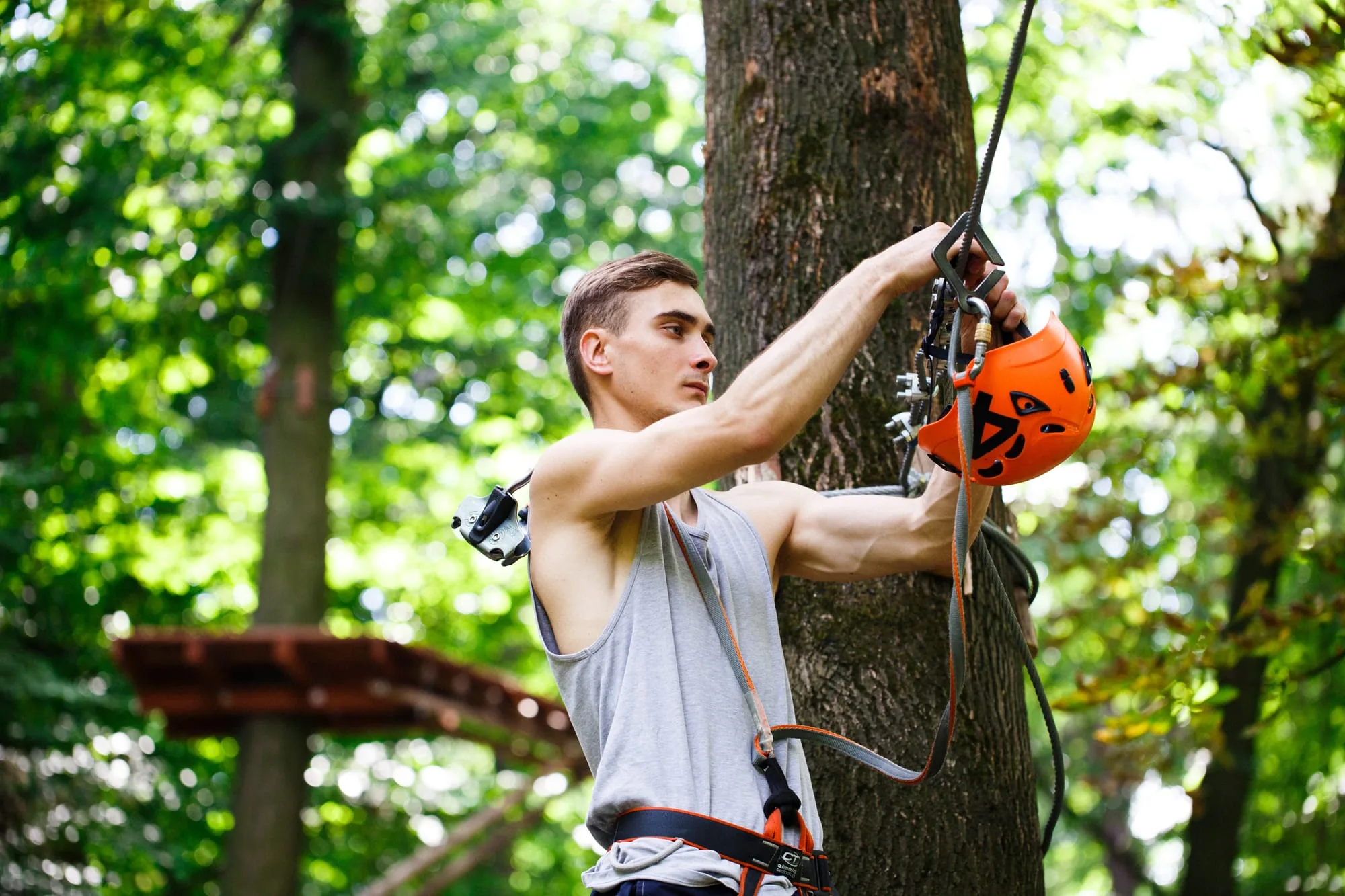
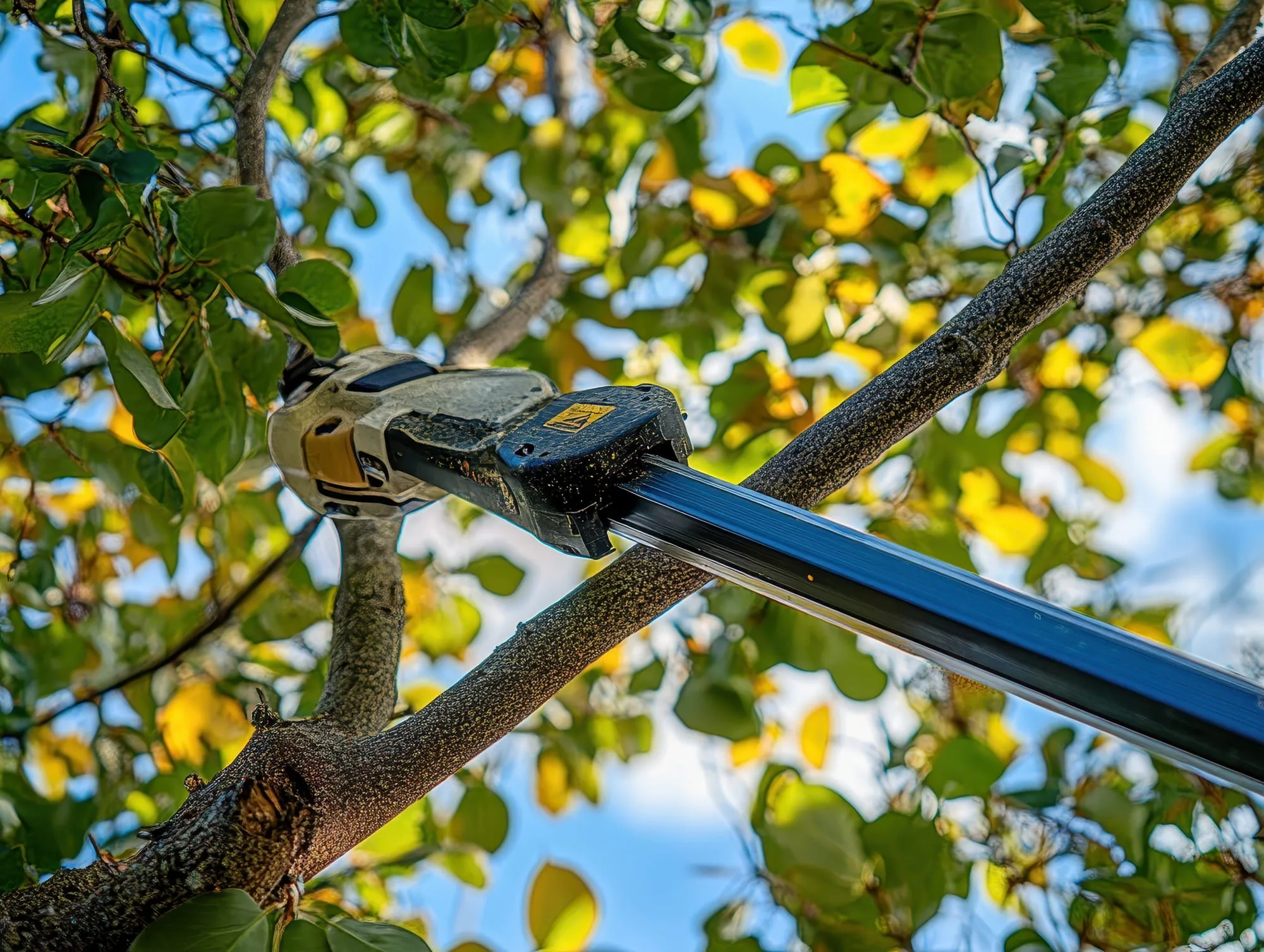
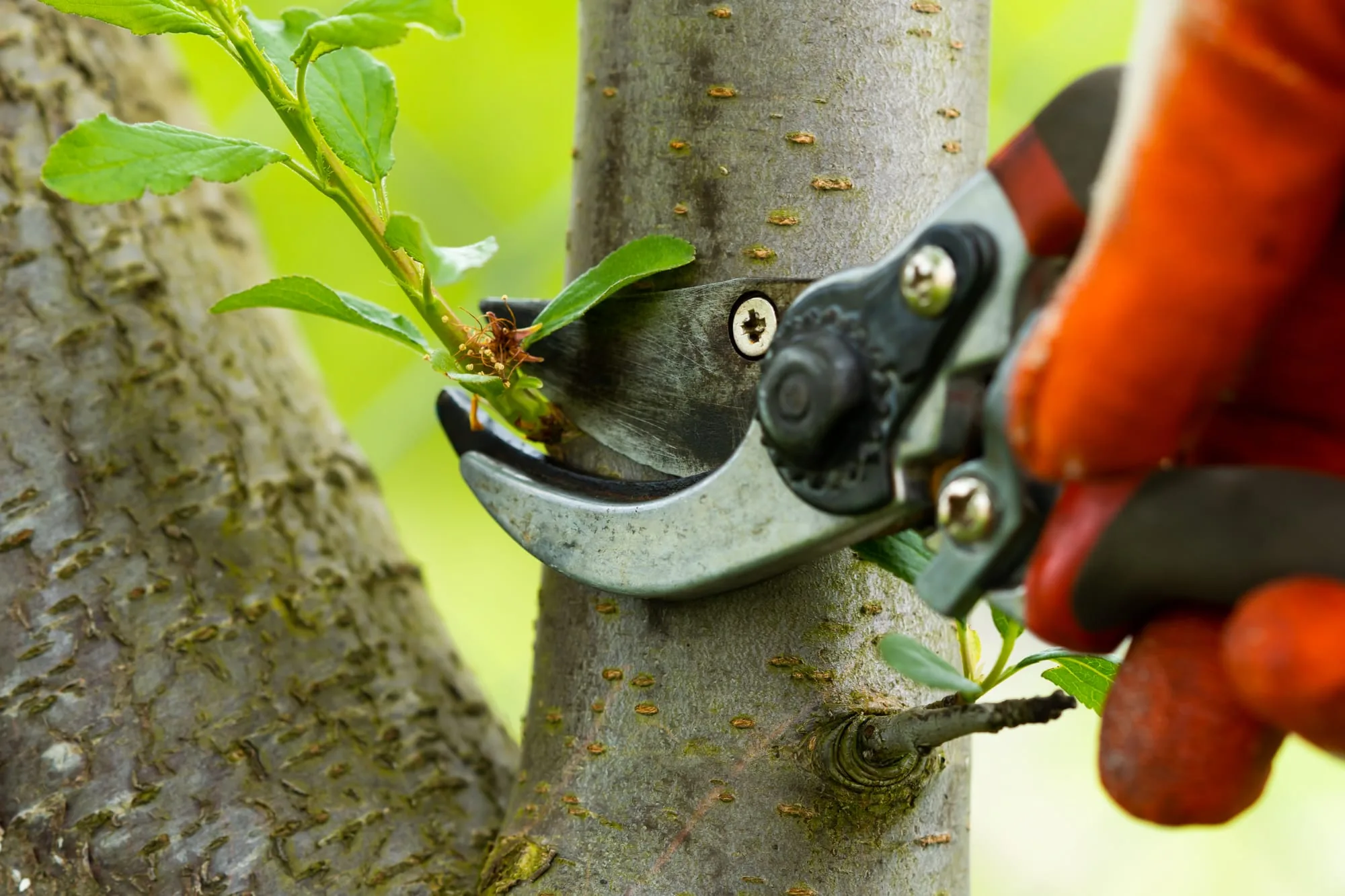
A tree can outgrow the space around it without needing to be removed. Its crown may extend too far over a roof, spread across a boundary, become difficult to manage around buildings or simply reach a size that no longer suits the available space.
Crown reduction is a pruning method used to reduce the overall height, spread or both of a tree’s crown. The crown is the upper part of the tree formed by its branches and foliage. Rather than cutting branches back indiscriminately, the work should consider where suitable branches can be shortened while retaining a balanced canopy and enough healthy growth for the tree.
Tree Pruning Services Melbourne provides practical tree pruning and related tree care for Melbourne properties. If the size or spread of a tree is becoming a problem, tell us what is happening around the tree and what you want to achieve. The tree, branch structure, surrounding property and reason for reducing the crown can then be considered before the proposed work is confirmed.
When Crown Reduction May Be Needed
Crown reduction is generally considered because the size or spread of a tree has become difficult to accommodate, not simply because the canopy looks dense.
It may be worth assessing when:
- upper or outer branches have grown close to roofs or other structures;
- a mature tree has become too broad for the available garden space;
- branches extend well over a driveway, path or regularly used outdoor area;
- canopy growth is extending across a property boundary;
- the tree has become difficult to manage at its current height or spread;
- particular limbs have grown beyond the main canopy and created an unbalanced shape;
- previous growth has left the crown larger than the surrounding site can comfortably accommodate; or
- the goal is to retain the tree while reducing specific dimensions of its canopy.
The reason for the reduction matters. A tree that needs more clearance from a roof may require a different pruning plan from one where the overall crown has become too broad. Reducing height, reducing lateral spread and shortening one problem section of the canopy are not automatically the same job.
Crown reduction should also not be assumed to suit every tree. Tree condition, species, branch structure and the amount of live growth that would need to be removed all affect whether this method is appropriate.
What Crown Reduction Involves
Crown reduction reduces the dimensions of a tree’s canopy by selectively shortening branches. The aim is to bring the crown back to a more suitable size while keeping the remaining structure as balanced as practical for that tree.
Before deciding how much to reduce, relevant factors can include:
- the current height and spread of the crown;
- which parts of the canopy are causing the problem;
- branch size and attachment points;
- the amount of live foliage that would be removed;
- the tree’s general condition;
- roofs, fences, sheds and neighbouring property around the canopy;
- access to the tree and work area; and
- the result the property owner is trying to achieve.
The work may focus on height, lateral spread or selected parts of the crown. Suitable branches are shortened rather than treating the canopy as a uniform shape that must be cut back by the same amount on every side.
This distinction matters. Crown reduction is not the same as topping or indiscriminately cutting the ends off major branches. Excessive or poorly placed cuts can leave a tree with an unsuitable structure and remove more live canopy than the situation requires.
How We Approach Crown Reduction
We start with the reason the tree feels too large for its setting. That gives the pruning work a clear purpose.
For example, a tree may be creating a clearance issue on one side near a roof while the rest of the crown has adequate space. Another tree may have increased in height and spread across a small property until several parts of the canopy need attention. Those situations should not automatically receive the same reduction.
We consider the tree itself as well as the target dimensions. Branch structure, condition and the amount of healthy canopy that would remain all matter. The aim is not to force every tree into a smaller outline regardless of its structure.
The surrounding site also affects the approach. A crown over open garden space presents different working conditions from one extending over a tiled roof, narrow driveway, fence or neighbouring property. Access can influence how the job needs to be planned even when the pruning objective is straightforward.
Where a smaller amount of targeted pruning can address the problem, broader crown reduction may not be necessary. Where the requested reduction would remove an unsuitable amount of live growth, the proposed scope may need to be reconsidered rather than promising a particular percentage before the tree is assessed.
Crown Reduction Around Melbourne Homes and Properties
Established trees are a common part of Melbourne residential areas, but the space around them can change over time. A tree that once had open garden around its crown may later sit close to an extension, garage, driveway, fence or neighbouring outdoor area.
Mature canopy growth can also become more noticeable where properties have narrow side access or buildings sit close to boundaries. Outer branches may reach across roofs, shade parts of a property more heavily or extend into areas where ongoing clearance is needed.
Crown reduction can be relevant in these settings because the concern is often the relationship between the tree’s size and the available space. The right amount of pruning depends on that relationship rather than a standard Melbourne-wide reduction target.
Strong winds can also draw attention to long outer limbs or sections of a crown that have become difficult to manage around structures. Wind exposure alone does not mean crown reduction is automatically required, but it may prompt a closer look at the canopy and the reason for the work.
Local council controls can affect pruning in some Melbourne municipalities. Requirements depend on the property, tree and local rules, so they should be checked for the specific site rather than assumed.
Who Crown Reduction Is For
Crown reduction may be relevant for people responsible for established trees that they want to retain but whose size or spread is creating a practical property issue.
This can include:
- homeowners managing mature trees near houses, garages or outdoor areas;
- residential property owners dealing with branches extending across boundaries;
- landlords and property investors arranging tree maintenance at rental properties;
- property and facilities managers managing trees near buildings, access areas or shared spaces;
- owners corporation or body corporate properties with established trees around common areas;
- commercial property owners considering canopy size around buildings or access routes; and
- real estate or property maintenance professionals coordinating pruning work.
You do not need to know whether crown reduction is definitely the correct method before making an enquiry. Describe where the tree is becoming difficult to manage and what outcome you want. That is more useful than trying to specify a pruning technique yourself.
What to Expect From a Crown Reduction Enquiry
The process starts with the problem you want to solve and the space available around the tree.
- Tell us about the tree. Explain where it is growing, which parts of the crown concern you and what you would like to change.
- Discuss the property conditions. Mention roofs, fences, driveways, neighbouring property, garden structures or other features close to the canopy.
- Assess the work required. The tree, branch structure, access and requested reduction can be considered together.
- Confirm the proposed service. The scope should make clear which parts of the crown are proposed for reduction and what the work is intended to achieve.
- Arrange the work. Once the details are agreed, the tree work can be scheduled.
Photos can help show the relationship between the tree and the property, particularly where the issue is height or spread. They do not replace assessment where branch structure, tree condition or access cannot be judged clearly from an image.
Safety and Property Considerations
Crown reduction can involve work throughout the upper and outer parts of a canopy. Branches may be long, heavy and positioned above parts of the property that need protection during the work.
Relevant considerations can include:
- working at height;
- the size and weight of branches being shortened;
- changing branch loads as sections are removed;
- roofs, gutters and solar panels below the canopy;
- fences, sheds and garden structures;
- driveways and parked vehicles;
- neighbouring property;
- restricted access; and
- overhead services.
Do not attempt to reduce a large tree by climbing it or cutting major branches from ladders. Large limbs can move differently once cut, and the remaining tree can also be affected by where and how much live growth is removed.
Trees or branches near overhead electrical infrastructure require particular care. Do not approach or cut branches close to powerlines yourself. The appropriate electricity distributor or suitably authorised service may need to be involved depending on the situation.
Crown Reduction, Crown Thinning or Crown Lifting?
These pruning methods address different canopy problems, even though all involve selective branch removal.
Crown reduction decreases the overall height, spread or selected dimensions of the crown. It is considered when the tree’s size is the main issue.
Crown thinning removes selected branches from within the canopy to reduce density while broadly retaining the tree’s existing outer size and shape. It is not primarily a method for making a tree shorter or narrower.
Crown lifting removes or shortens lower branches to increase clearance beneath the canopy. It may be used where low branches interfere with access, paths, driveways or use of the space below the tree.
A tree can have more than one concern, but that does not mean every method is needed. The pruning technique should follow the actual problem rather than using several service names for the same work.
Council Rules and Crown Reduction in Melbourne
Tree pruning controls vary across Melbourne. Whether approval is needed can depend on the local council, property, tree, planning controls, protected-tree provisions and the extent of the proposed reduction.
A crown reduction that removes a significant amount of live canopy may be treated differently from minor maintenance under some local controls. The exact requirements need to be checked for the relevant property and municipality before making a council-specific claim.
Do not assume that owning the tree automatically means any amount of crown reduction is permitted. Likewise, a rule from one Melbourne council should not be applied to another municipality without checking it.
If the tree is close to a boundary, the location of the trunk and branches may also affect what needs to be considered before pruning. Property-specific advice may be required where ownership or neighbouring-tree issues are unclear.
How to Choose a Crown Reduction Provider
A crown reduction quote should explain the intended outcome rather than simply state that the tree will be “cut back”.
Useful questions include:
- Which dimensions of the crown are you recommending reducing, and why?
- How will the proposed work change the tree’s height or spread?
- How much live canopy is expected to be removed?
- How will suitable branch points be selected for the reduction?
- What property or access conditions could affect the work?
- Is the proposed work crown reduction, or would another pruning method better match the problem?
- What is included in the quoted scope?
- Are relevant qualifications, insurance details or approvals available where required?
If two quotes recommend very different reductions, ask each provider to explain the reason. A larger reduction is not automatically a better result, particularly if the original problem can be addressed with less live-branch removal.
Common Questions About Crown Reduction in Melbourne
What is crown reduction?
Crown reduction is a pruning method that reduces the overall height, spread or selected dimensions of a tree’s canopy. Branches are selectively shortened so the crown can be brought back from areas where its size has become difficult to manage.
Is crown reduction the same as tree trimming?
No. Tree trimming is a broader term that can describe routine cutting or management of growth. Crown reduction has a more specific objective: reducing the dimensions of the tree’s crown while considering the remaining branch structure and live canopy.
How much can a tree crown be reduced?
There is no single percentage that suits every tree. The appropriate amount depends on the tree species, condition, branch structure, current size and the reason for the work. A requested reduction may need to be adjusted if it would remove an unsuitable amount of healthy canopy.
Will crown reduction make my tree shorter?
It can, if reducing height is part of the agreed objective. Crown reduction can also focus on spread or selected sides of the canopy. The scope should state which dimensions are being reduced rather than assuming the entire crown will be cut back evenly.
What is the difference between crown reduction and crown thinning?
Crown reduction changes the outer dimensions of the canopy. Crown thinning removes selected internal branches to reduce canopy density while broadly retaining the existing height and spread. They solve different problems and should not be treated as interchangeable terms.
Can crown reduction help with branches over a roof?
It may be appropriate where reducing part of the crown can create better separation from a roof or structure. In some cases, more targeted branch pruning may solve the clearance issue without reducing the broader crown. The tree and property layout should be assessed first.
How much does crown reduction cost in Melbourne?
Cost can vary with tree size, the amount and location of the reduction, branch size, access, working height and surrounding structures.
Do I need council permission for crown reduction in Melbourne?
Requirements vary by council, property and tree. Protected-tree controls, planning overlays or other local rules may affect the work. Check the relevant council requirements for the property rather than relying on a general Melbourne-wide rule.
Discuss Crown Reduction for Your Melbourne Property
If a tree has become too large or wide for its setting, tell us which parts of the canopy are causing the problem, where the tree is located and what you would like to achieve.
You do not need to decide in advance whether crown reduction is definitely the right method. Tree Pruning Services Melbourne can discuss the tree, surrounding property and intended outcome so the next step is based on the actual problem rather than the service name alone.