If you are unsure what a tree needs, the first step is to understand the problem before choosing the work. A tree may need selective pruning, individual branch removal, ongoing canopy management or, in some situations, removal. The visible problem alone does not always tell you which option is appropriate.
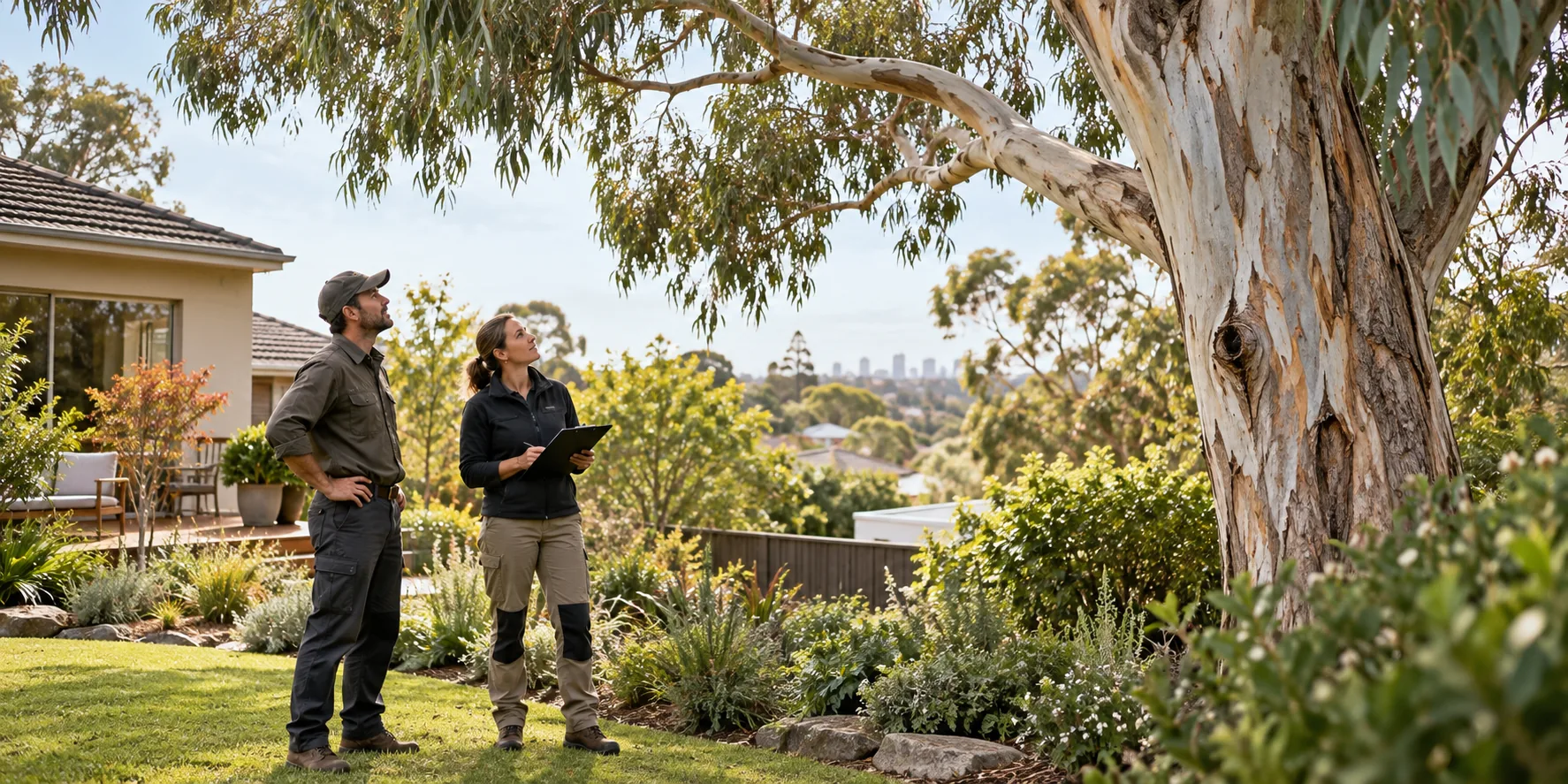
Arborist input can help turn a general concern into a clearer tree-care decision. That means considering the tree’s condition, branch structure, size and location together with nearby roofs, fences, driveways, gardens and other parts of the property.
Tree Pruning Services Melbourne focuses on practical tree pruning and related tree care for Melbourne properties. If you have noticed a problem but are not sure which service fits, tell us what is happening with the tree and what you would like to achieve.
When arborist advice may be useful
You do not need to know the name of the service before making an enquiry.
Arborist advice or further tree assessment may be useful when:
- branches are dead, damaged or deteriorating;
- a tree has been affected by strong wind or a storm;
- large branches extend over a roof, driveway, path or outdoor area;
- the canopy has become dense, unbalanced or difficult to manage;
- you are unsure whether a tree needs pruning or removal;
- a mature or large tree requires work and the appropriate pruning method is unclear;
- repeated branch problems are occurring and you want to understand the broader tree condition;
- you need to understand what work may be appropriate before requesting a final scope.
The aim is to identify the problem and suitable next step rather than recommend unnecessary work.
What an arborist assessment may consider
A useful tree assessment looks beyond the single branch or symptom that first caught your attention.
Depending on the concern, relevant factors can include:
- the type and condition of the tree;
- dead, damaged or deteriorating branches;
- branch position and weight;
- canopy density and balance;
- the tree’s size and location;
- proximity to buildings, fences and neighbouring property;
- clearance over driveways, paths and outdoor areas;
- access around the tree;
- signs of recent storm or wind damage;
- the reason you are considering tree work.
These factors help establish whether the concern can be addressed through pruning, targeted branch work or another tree-care option.
How we approach tree-care decisions
Good tree work starts with the reason for the job.
A property owner may say that a tree is “too big”, but the practical issue might be lower branches over a driveway. Another tree may appear overgrown when the real concern is one deteriorating limb near a roof. Those situations do not automatically require the same service.
Our approach is to consider:
What you have noticed
Tell us what has changed or what is causing the problem. You may have noticed a dead branch, restricted access, growth close to a structure or a canopy that has become difficult to manage.
What you want to achieve
The intended outcome matters. You may want safer clearance, better access, less problematic growth or a clearer understanding of whether a tree can be retained and managed.
The tree and its surroundings
Tree size, branch condition, surrounding structures and property access can all affect what work is practical.
The most suitable service
Once the problem is clearer, the work can be matched to the tree. That may mean tree pruning, tree branch removal, deadwood removal or another appropriate service.
The objective is a clear reason for the work rather than pruning or removing branches without a defined outcome.
Arborist services and practical tree work
People often use the word “arborist” when searching for several different types of tree help.
Depending on the tree and the problem, the relevant service may include:
Tree pruning
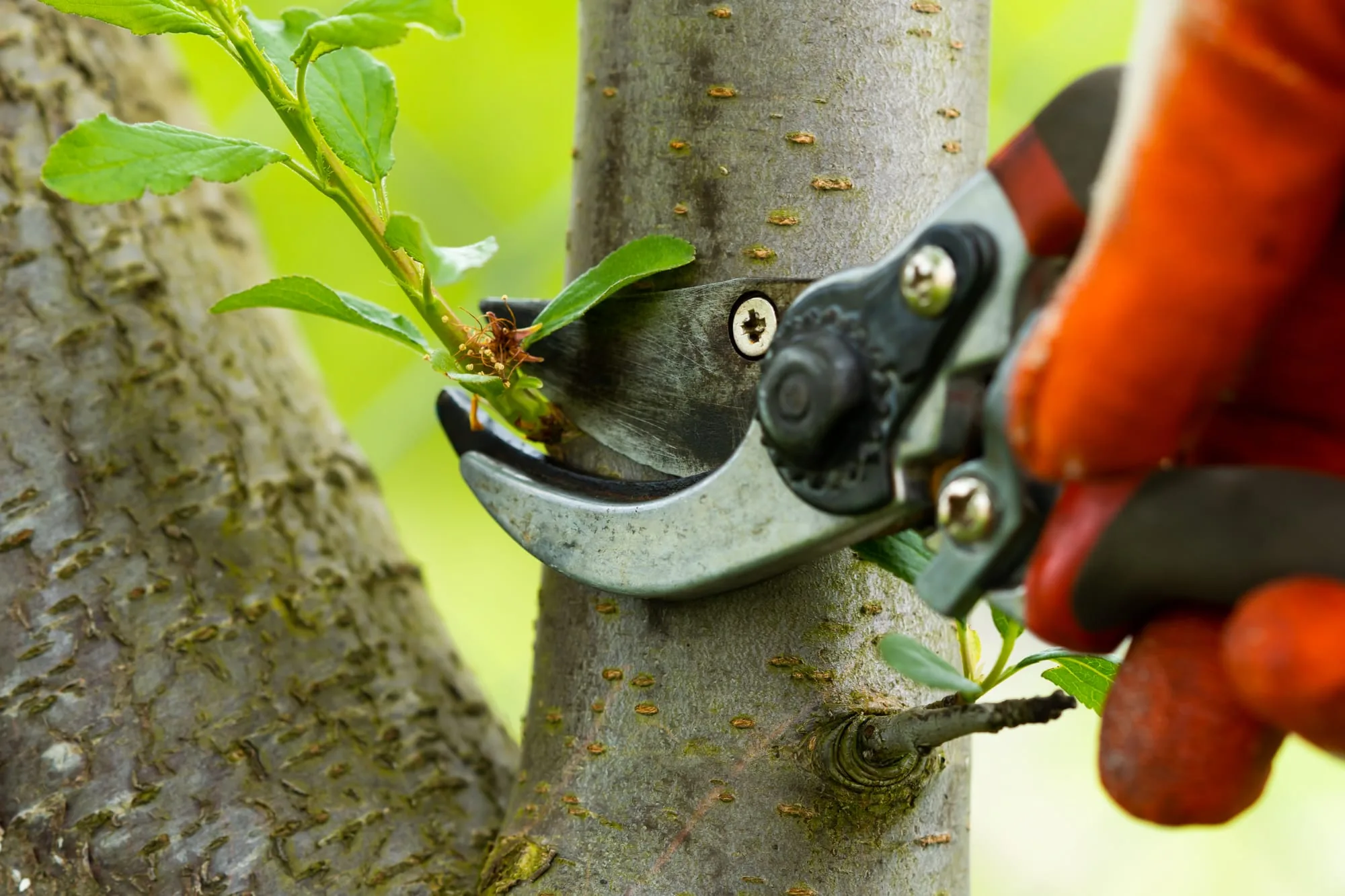
Tree pruning in Melbourne can address overgrown, poorly positioned or difficult-to-manage branches where selective pruning is appropriate.
Tree branch removal
Tree branch removal focuses on individual limbs that are damaged, deteriorating, obstructive or creating a specific property problem.
Deadwood removal
Deadwood removal targets dead or deteriorating branches where removing that material is appropriate.
Large tree pruning
Large tree pruning requires extra consideration of tree size, working height, branch weight, access and surrounding structures.
Crown management
Specific pruning methods such as crown reduction, crown thinning and crown lifting address different canopy problems. They should not be treated as interchangeable terms.
Tree removal
Where pruning is not the appropriate outcome, tree removal may need to be considered. The reason for removal and the tree’s condition should be understood before the scope is defined.
Arborist advice around Melbourne homes and properties
Tree problems are often closely connected to the property around them.
An established tree may have branches extending over a tiled roof. Another may sit beside a narrow driveway where lower growth reduces vehicle clearance. A mature tree near a boundary can affect both the property it grows on and the space around a neighbouring property.
These situations are why the tree cannot be considered in isolation. The assessment should account for the tree, the branch or canopy problem, access and nearby structures before work is proposed.
Council requirements can also vary across Melbourne. The relevant rules depend on the council, property, tree and any applicable planning controls or protected-tree provisions. Council-specific requirements should be checked where they may apply.
Who may need arborist input
Arborist advice may be relevant for:
- homeowners who are unsure what type of tree work is needed;
- landlords and property investors managing established trees;
- property managers dealing with tree concerns at residential properties;
- owners corporations or body corporate properties with trees near shared areas;
- commercial property owners managing trees around buildings, access areas or outdoor spaces;
- real estate and property maintenance professionals who need a clearer tree-work scope.
The right level of assessment depends on the tree problem and the decision that needs to be made.
What to expect when you enquire about a tree
You do not need to diagnose the tree yourself.
1. Tell us what you have noticed
Explain where the tree is and what has prompted the enquiry. Photos and a simple description of the problem may help clarify the starting point.
2. Explain what you want to achieve
Tell us whether the concern is clearance, damaged growth, tree size, ongoing maintenance or uncertainty about the tree’s condition.
3. The work requirements are considered
The tree, access, surrounding property and likely scope need to be considered before a service is recommended.
4. The proposed service is clarified
The next step may be pruning, branch removal, deadwood removal, another form of canopy work or further assessment where required.
5. Work can be arranged once the scope is agreed
The customer can decide whether to proceed once the proposed work is clear.
No response-time or scheduling commitment should be assumed unless it has been confirmed for the job.
Safety and property considerations
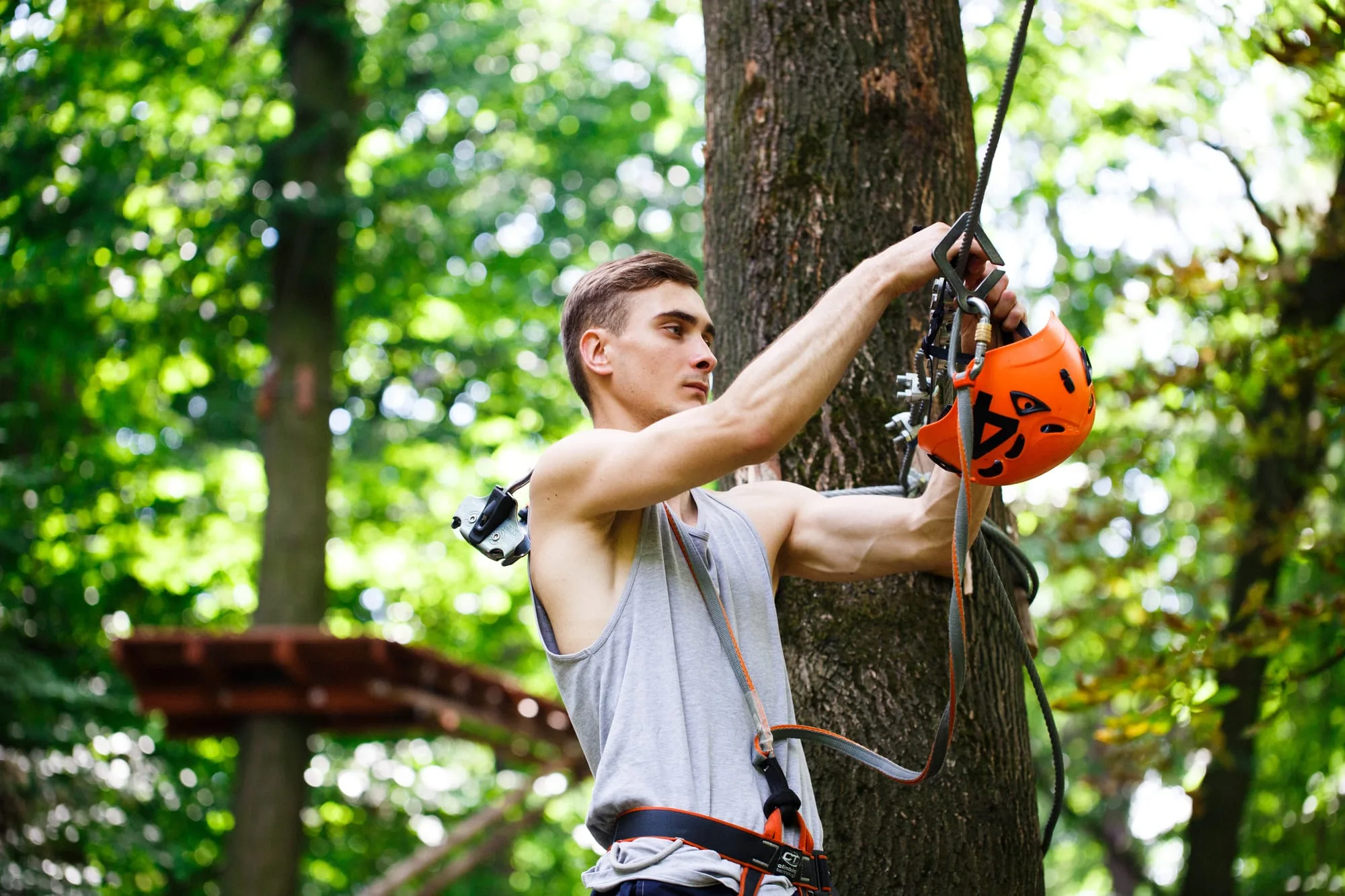
Tree work can involve working at height, heavy branches, cutting equipment and loads that are difficult to predict from the ground.
The surrounding property can add further constraints. Relevant factors may include:
- roofs and gutters;
- fences and sheds;
- driveways and paths;
- gardens and outdoor areas;
- neighbouring property;
- restricted access;
- overhead services.
A tree that looks manageable from the ground can involve different conditions once branch size, height and surrounding structures are considered.
Avoid attempting hazardous tree work yourself where the job involves significant height, heavy limbs or uncertainty about how branches may move when cut.
Arborist reports are a separate requirement
An arborist service enquiry and a formal arborist report are not necessarily the same thing.
A property owner may simply need help understanding what practical tree work is appropriate. A formal report may be requested for a different purpose, such as a planning, development, council or documented tree-assessment requirement.
For formal documentation, see our arborist reports Melbourne page and confirm the qualifications and report type required.
Do not assume that an ordinary tree-service enquiry includes a written arborist report.
Council rules and permits for tree work in Melbourne
There is no single tree-work rule that applies to every Melbourne property.
Requirements can vary depending on:
- the local council;
- the property;
- the tree;
- planning controls;
- protected-tree rules;
- overlays or other restrictions.
If a proposed pruning or removal job may be affected by local controls, the relevant requirements should be checked before work proceeds.
Check the relevant council rules for the property before relying on a council-specific requirement.
How to choose an arborist in Melbourne
The word “arborist” can cover different types of tree work and advice, so compare providers on the requirements of your actual job.
Useful questions include:
- What are you recommending for this tree, and why?
- Is the proposed work pruning, removal, assessment or another service?
- What outcome should the work achieve?
- What tree-care qualifications are relevant to this job, and can they be verified?
- What insurance details are available for the proposed work?
- Are there access or property conditions that could change the scope?
- Is a written report included, or is that a separate service?
- What exactly is included in the quote?
Ask the provider for current evidence of relevant qualifications and insurance.
Common questions about arborists in Melbourne
What does an arborist do?
An arborist works with trees and may assess tree condition, recommend suitable tree care and carry out or advise on work such as pruning and removal. The exact service and qualification level can vary, so check what is required for your particular job.
When should I contact an arborist?
Consider seeking arborist input when you are unsure what a tree needs, when branches are dead or damaged, when a tree is affecting structures or access, or when you need to decide between pruning and removal.
How much does an arborist cost in Melbourne?
There is no confirmed standard price for this business. Cost can depend on whether you need an assessment, practical tree work, a formal report or another service, as well as tree size, access and site conditions. The scope should be clear before comparing quotes.
Is an arborist the same as a tree pruner?
Not necessarily. Tree pruning describes a type of work. “Arborist” refers to a person working in tree care, and qualifications and roles can vary. If qualifications are important for the job, ask the provider what credentials they hold and verify them.
Do I need an arborist report?
Not for every tree enquiry. A formal arborist report may be needed for specific planning, development, council or documented assessment purposes. Confirm what the requesting authority or project requires before ordering a report.
Can an arborist tell me whether a tree should be pruned or removed?
Assessment can help clarify the tree problem and the available options. The appropriate recommendation depends on the tree’s condition, the surrounding property and the reason for the proposed work.
Do I need council permission before tree work?
It depends on the council, property, tree and applicable controls. Melbourne councils can have different requirements, so check the relevant local rules where they may apply.
What should I check before hiring an arborist?
Ask what work is proposed, why it is recommended, what qualifications are relevant and verifiable, what insurance applies, whether a written report is included and what the quote covers.
Discuss the tree on your Melbourne property
If you are unsure whether your tree needs pruning, branch removal, removal or further assessment, start with what you have noticed.
Tell us where the tree is, what is causing concern and what you would like to achieve. We can discuss the next appropriate step from there.
Contact the team to discuss your tree-care requirements in Melbourne.