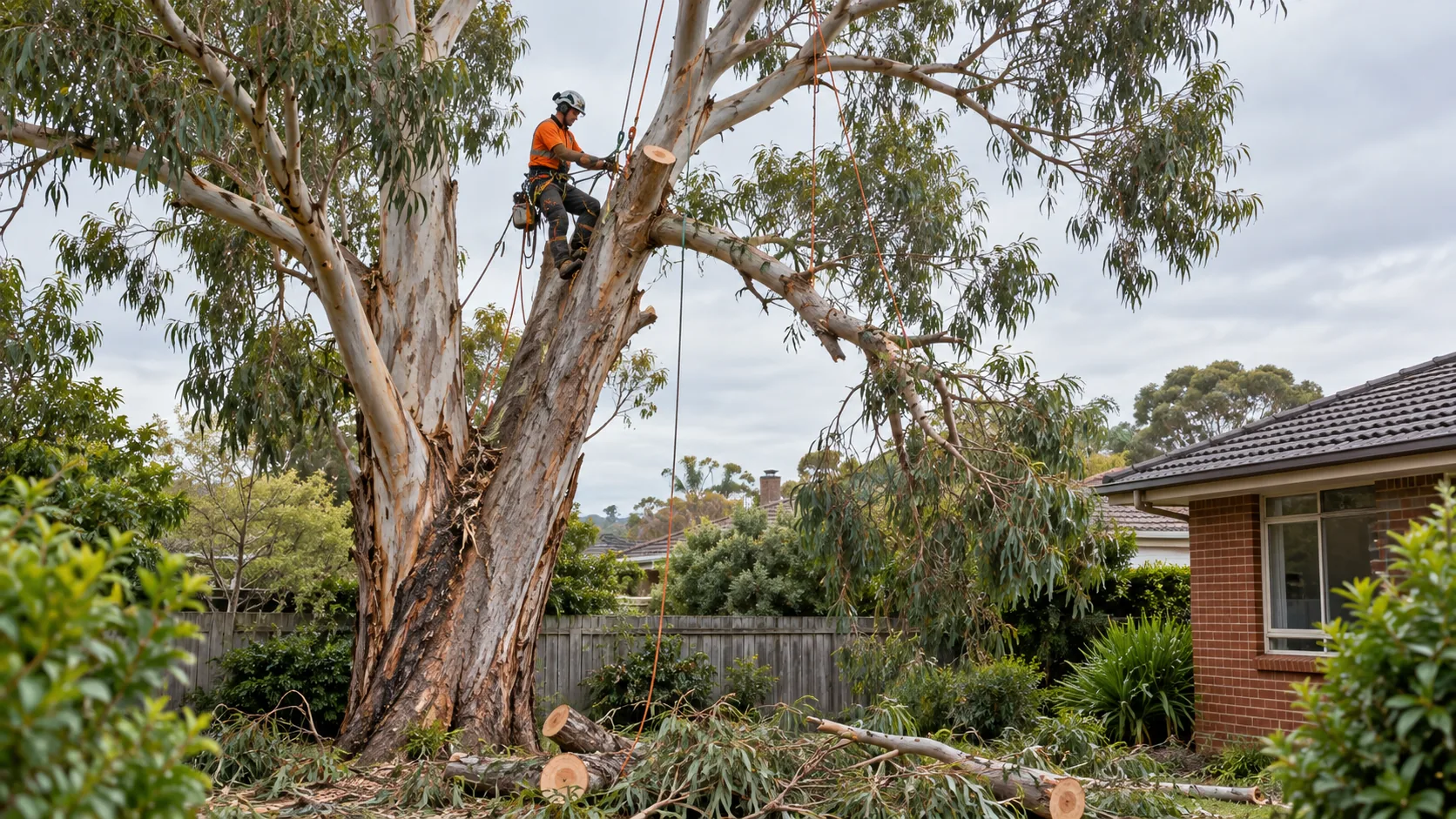
Tree removal is a significant step. In many cases, pruning can manage overgrowth, improve clearance or remove individual problem branches while keeping the tree in place. In other situations, the tree itself may need to be removed because its condition, position or impact on the property can no longer be managed through selective pruning alone.
Tree Pruning Services Melbourne approaches tree removal from the same practical starting point as pruning: understand the tree, the property and the outcome you need before deciding what work is appropriate.
That means looking at why removal is being considered, what sits around the tree, how the site can be accessed and whether a narrower service could solve the problem without removing the whole tree.
If you are considering tree removal in Melbourne, describe what is happening with the tree and what concerns you. The next step is to assess whether removal is the appropriate scope and what the job would involve.
When Tree Removal May Be the Appropriate Option
Tree removal may be considered where the problem affects the tree as a whole rather than one branch or one part of the canopy.
Situations that can lead a property owner to consider removal include:
- a tree that is dead or in severe decline;
- significant structural damage following strong winds or other events;
- a tree that has become unstable or is showing signs of major failure;
- severe defects that cannot reasonably be addressed through pruning alone;
- a tree positioned so close to structures that ongoing pruning is no longer a practical long-term solution;
- a tree that has substantially outgrown the space available to it;
- major conflict with planned property works, access or other site requirements; or
- circumstances where an appropriate assessment identifies removal as preferable to retaining the tree.
The reason matters. A large but healthy tree is not automatically a removal candidate. Likewise, a branch over a roof does not necessarily mean the whole tree needs to come down.
The scope should match the actual problem.
Tree Removal or Tree Pruning?
One of the most important decisions is whether the entire tree needs to be removed or whether targeted pruning can solve the issue.
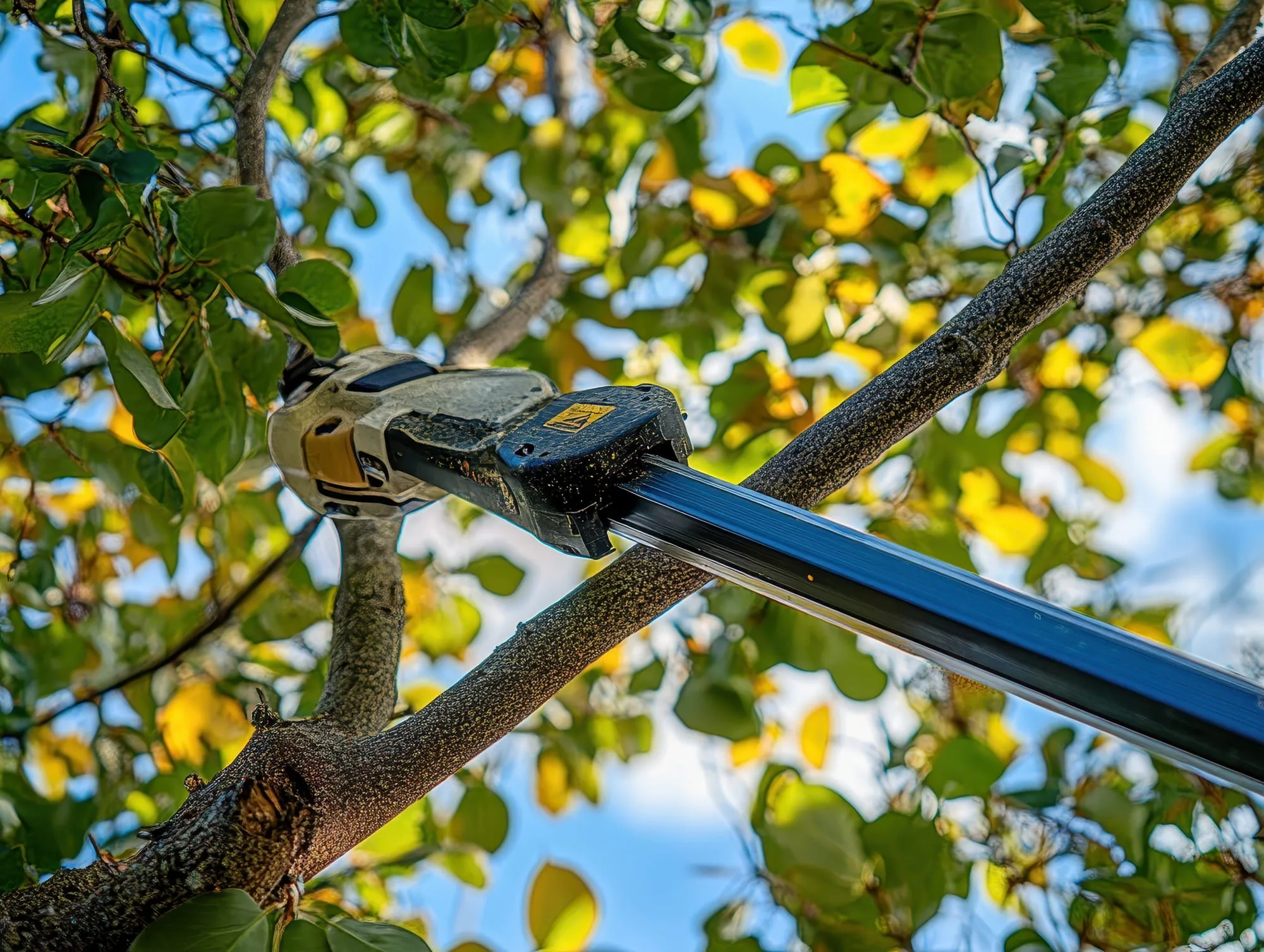
Tree pruning may be more appropriate where the tree can remain but needs selected growth managed. This can include reducing problematic branches, improving clearance, removing deadwood or addressing specific canopy issues.
Tree branch removal may suit a tree where one or more individual limbs are creating the main concern.
Large tree pruning may be relevant where the tree is mature and sizeable but the objective is still to retain it while managing growth or clearance.
Tree removal is different because the whole tree is taken down. It should therefore be considered as a separate decision rather than the default answer to every tree problem.
What Tree Removal Involves
Removing a tree is not simply a matter of cutting through the trunk.
The work needs to consider the size and form of the tree, how it is positioned, what surrounds it and how sections can be brought down without unnecessarily affecting the property around it.
Depending on the tree and site, relevant factors can include:
- overall tree height and trunk size;
- canopy spread and branch weight;
- whether the tree is upright, leaning or structurally compromised;
- proximity to houses, garages, sheds and other structures;
- fences and neighbouring property;
- driveways, paths and access points;
- garden beds and other vegetation;
- available working space around the base of the tree;
- how material can be removed from the site; and
- whether any local approvals or restrictions need to be checked before work proceeds.
A tree in an open part of a large property presents a different job from a similarly sized tree between a house, fence and neighbouring yard.
How We Approach a Tree Removal Enquiry
The starting point is understanding why the tree is being considered for removal.
1. You explain the problem
Tell us what has changed or what the tree is affecting. This may include visible decline, storm damage, a significant lean, conflict with a structure, limited clearance or a broader property requirement.
2. The tree and surrounding site are considered
The tree itself is only part of the job. Access, nearby structures, property boundaries and the space available for work all influence what the removal may involve.
3. Removal is compared with other practical options
Where pruning may reasonably solve the problem while retaining the tree, that should be considered before full removal is treated as the answer.
4. The removal scope is defined
The job should clearly identify what is being removed and what happens to the remaining stump, timber and green material. These items should not be assumed unless they are specifically included in the agreed scope.
5. The work is arranged once the scope is clear
Once the tree, site and required outcome have been assessed, the work can be planned around the actual property conditions.
What Affects Tree Removal Cost in Melbourne?
Tree removal pricing depends on the actual tree and agreed scope.
The cost of tree removal can vary significantly because the work is shaped by the individual tree and site.
Important cost factors can include:
- tree height and trunk diameter;
- canopy spread and branch size;
- tree condition and stability;
- whether the tree is leaning or damaged;
- proximity to buildings, fences or neighbouring property;
- site access;
- available working space;
- the amount of material to be removed;
- whether stump work is included or separate;
- whether additional planning is required around structures or restricted access; and
- any permit or approval requirements that affect the job.
A smaller tree in an open front yard may be relatively straightforward. A mature tree in a confined backyard with limited access and structures beneath the canopy is a very different project.
The useful comparison is therefore the scope behind the quote, not only the final number.
What Should Be Included in a Tree Removal Scope?
A clear tree removal scope should explain what the contractor is actually quoting to do.
Useful points to confirm include:
- whether the whole tree is being removed;
- the approximate finishing point at the base;
- whether branches and trunk sections are removed from site;
- whether green waste handling is included;
- whether the stump remains after the tree is removed;
- whether stump grinding is a separate service;
- whether site access has any restrictions;
- whether nearby structures require additional planning; and
- whether permits or local approvals need to be addressed before work starts.
Tree removal and stump removal are not automatically the same service. If you need the area cleared below ground level for landscaping, paving or another use, make sure the stump requirement is discussed separately.
Tree Removal Around Melbourne Homes and Properties
Melbourne properties vary widely in age, block size and available access.
Trees on established residential blocks may sit close to houses, garages, sheds, driveways and fences. In tighter areas, there may be only narrow side access between the front and rear of the property. Trees can also extend over neighbouring land or sit close to shared boundaries.
These conditions matter because the job is influenced by what surrounds the tree as much as by the tree itself.
A tree that can be dismantled over open ground creates different working conditions from one growing above a roof, beside a garage or within a confined courtyard.
For managed and commercial properties, access, shared areas and the need to coordinate work around occupants or site operations may also affect planning.
Safety Considerations for Tree Removal
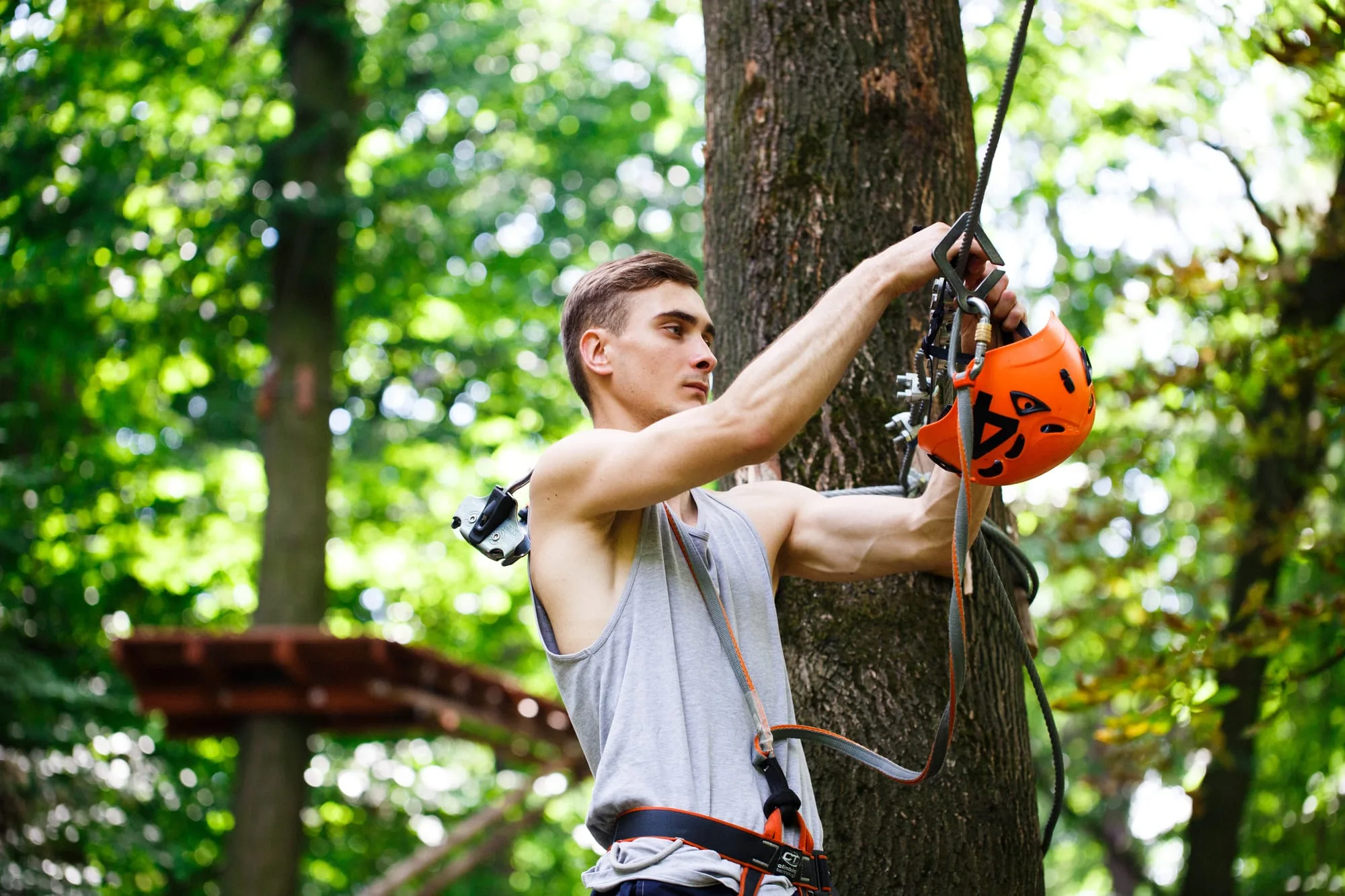
Tree removal can involve heavy branches, trunk sections, cutting equipment and work at height. The risks increase where the tree is large, unstable, storm-damaged or positioned near structures.
Particular care may be needed where a tree is close to:
- houses and rooflines;
- garages and sheds;
- fences and gates;
- parked vehicles;
- neighbouring property;
- frequently used outdoor areas;
- narrow accessways; or
- overhead services.
If a tree appears unstable or has been significantly damaged, avoid standing, parking or working beneath it.
Where powerlines or other essential infrastructure are involved, the correct utility or emergency service may need to be contacted. Tree work near electrical assets should not be treated as ordinary property maintenance.
Council Rules and Tree Removal in Melbourne
Tree removal rules can vary between Melbourne councils.
Approval requirements may depend on factors such as:
- the council area;
- the property and planning controls that apply to it;
- the tree species;
- tree size;
- significant or protected-tree status; and
- the reason removal is proposed.
A rule that applies in one Melbourne municipality should not be assumed to apply in another.
Before removal proceeds, the relevant council requirements for the specific property should be checked. Where the situation is unclear, the property owner may need advice from the relevant council or an appropriately qualified professional.
When Removal May Not Be Necessary
Not every difficult tree needs to be removed.
If the main issue is overgrowth, selective tree trimming may be enough.
If particular limbs are dead, damaged or interfering with property, tree branch removal or deadwood removal may address the concern.
If the canopy has become too large for the available space but the tree can still be retained, crown reduction may be a more targeted option in suitable cases.
If lower branches are obstructing access, crown lifting may solve the clearance problem without removing the whole tree.
The practical question is not simply, “Can the tree be removed?” It is, “What work actually solves the problem?”
How to Compare Tree Removal Quotes
Two quotes can look similar in price while covering very different work.
Before comparing numbers, check whether each quote addresses the same scope.
Ask:
- Is the entire tree included?
- What happens to branches, trunk sections and green waste?
- Does the stump remain?
- Is stump grinding included or quoted separately?
- Has restricted access been allowed for?
- Has the contractor considered nearby structures and neighbouring property?
- Are permit requirements clear?
- Are any relevant qualifications or insurance details available where required?
A lower quote is not necessarily cheaper if important parts of the job have been excluded.
Who Tree Removal Services May Be For
Tree removal may be relevant to people responsible for residential, managed or commercial properties where retaining a particular tree may no longer be practical.
This can include:
- homeowners dealing with a dead, damaged or poorly positioned tree;
- landlords and property investors organising work at a rental property;
- property and facilities managers responding to tree-related maintenance issues;
- owners corporation or body corporate properties managing trees in shared areas;
- commercial property owners planning work around buildings, access or site use; and
- property professionals coordinating work on behalf of an owner.
The reason for removal should still be considered before the scope is confirmed.
Common Questions About Tree Removal in Melbourne
How do I know if a tree needs to be removed?
There is no single sign that applies to every tree. Removal may be considered where the whole tree is dead, severely damaged, unstable, structurally compromised or no longer practical to retain in its position. An individual branch problem does not automatically mean the entire tree needs to come down.
Can pruning save a tree that is getting too large?
Sometimes. If the problem is canopy size, overgrowth or clearance rather than the condition of the entire tree, a pruning service may be more appropriate. The tree and desired outcome need to be considered before deciding between pruning and removal.
How much does tree removal cost in Melbourne?
Cost depends on the tree’s size, condition, access, surrounding structures, amount of material and the exact agreed scope.
Is stump grinding included with tree removal?
Not necessarily. Tree removal deals with the tree above ground, while stump grinding is a separate part of the job unless the quote specifically includes it. If you need the stump addressed, confirm this when the scope is prepared.
Do I need a permit to remove a tree in Melbourne?
It depends on the council, property and tree. Significant-tree controls, planning overlays or local tree protection rules may apply. Check the requirements for the specific property rather than relying on a general Melbourne-wide rule.
Can a tree be removed if it is close to a house?
Potentially, but proximity to a house changes the way the job needs to be planned. The tree’s size, condition, branch spread, access and what sits beneath or beside it all need to be considered.
What if the tree is leaning?
A lean does not by itself explain whether a tree is stable or unstable. If the lean is new, appears to be increasing or is accompanied by visible ground movement, cracking or other changes, keep clear and arrange an appropriate assessment.
Can you remove a storm-damaged tree?
Storm damage can range from broken branches to major structural failure. The extent of damage and the remaining stability of the tree should be assessed before deciding whether selective pruning or full removal is appropriate.
Can you remove a large mature tree?
Large tree removal is a separate level of planning because branch weight, working height, access and surrounding property can all become more significant. See large tree removal Melbourne for more detail.
What information should I provide when requesting a quote?
Describe the tree, why you think removal may be needed and what surrounds it. Photos showing the full tree, trunk, access and nearby structures can help explain the situation at the enquiry stage.
Discuss Tree Removal for Your Melbourne Property
If you are dealing with a dead, damaged, unstable, severely overgrown or poorly positioned tree, the first step is to determine whether full removal is genuinely the right scope.
Contact Tree Pruning Services Melbourne to discuss the tree, the property and what you need to achieve. Where pruning can reasonably solve the problem, that should be considered. Where removal is appropriate, the job can then be scoped around the actual tree and site conditions.