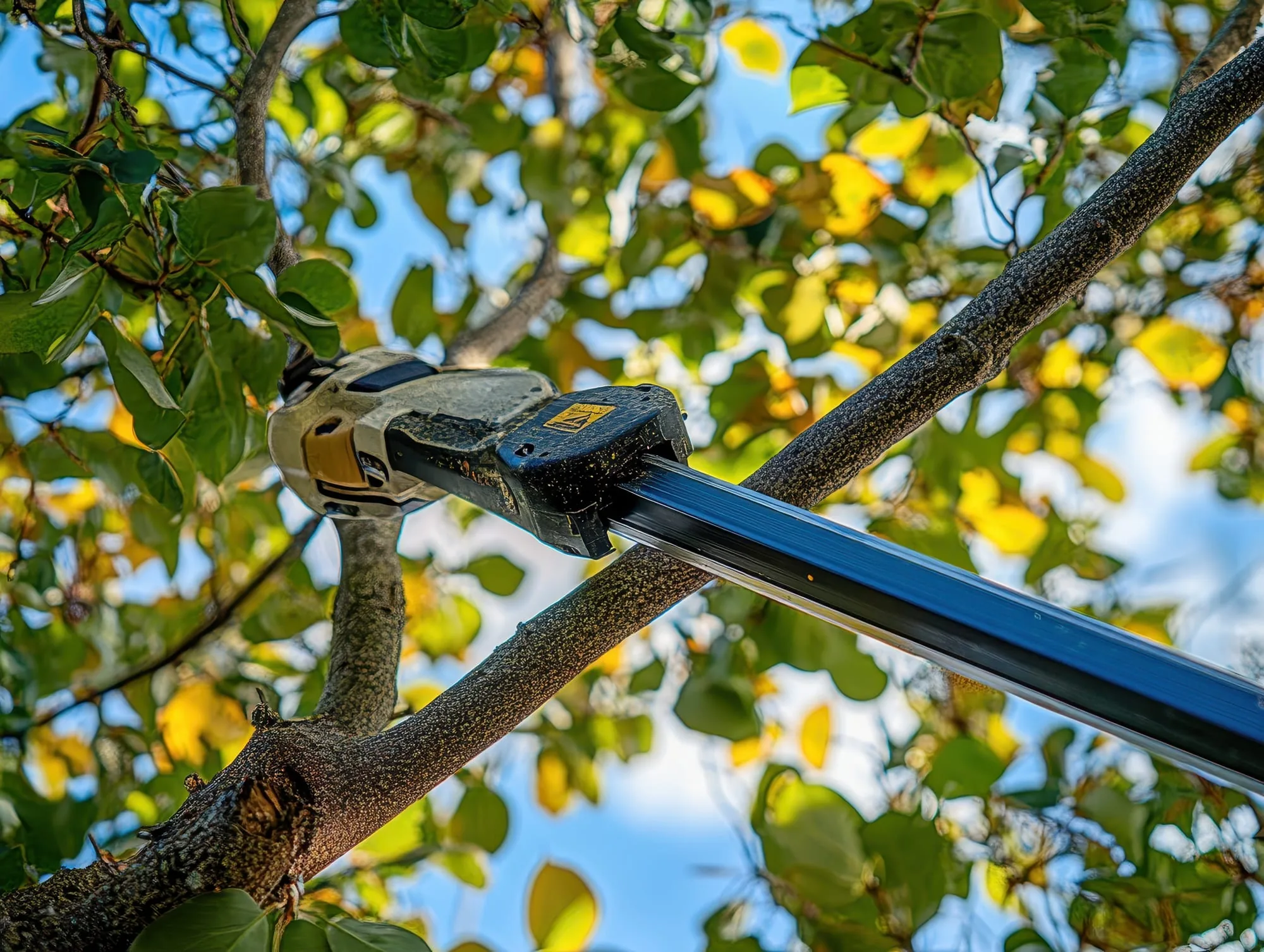
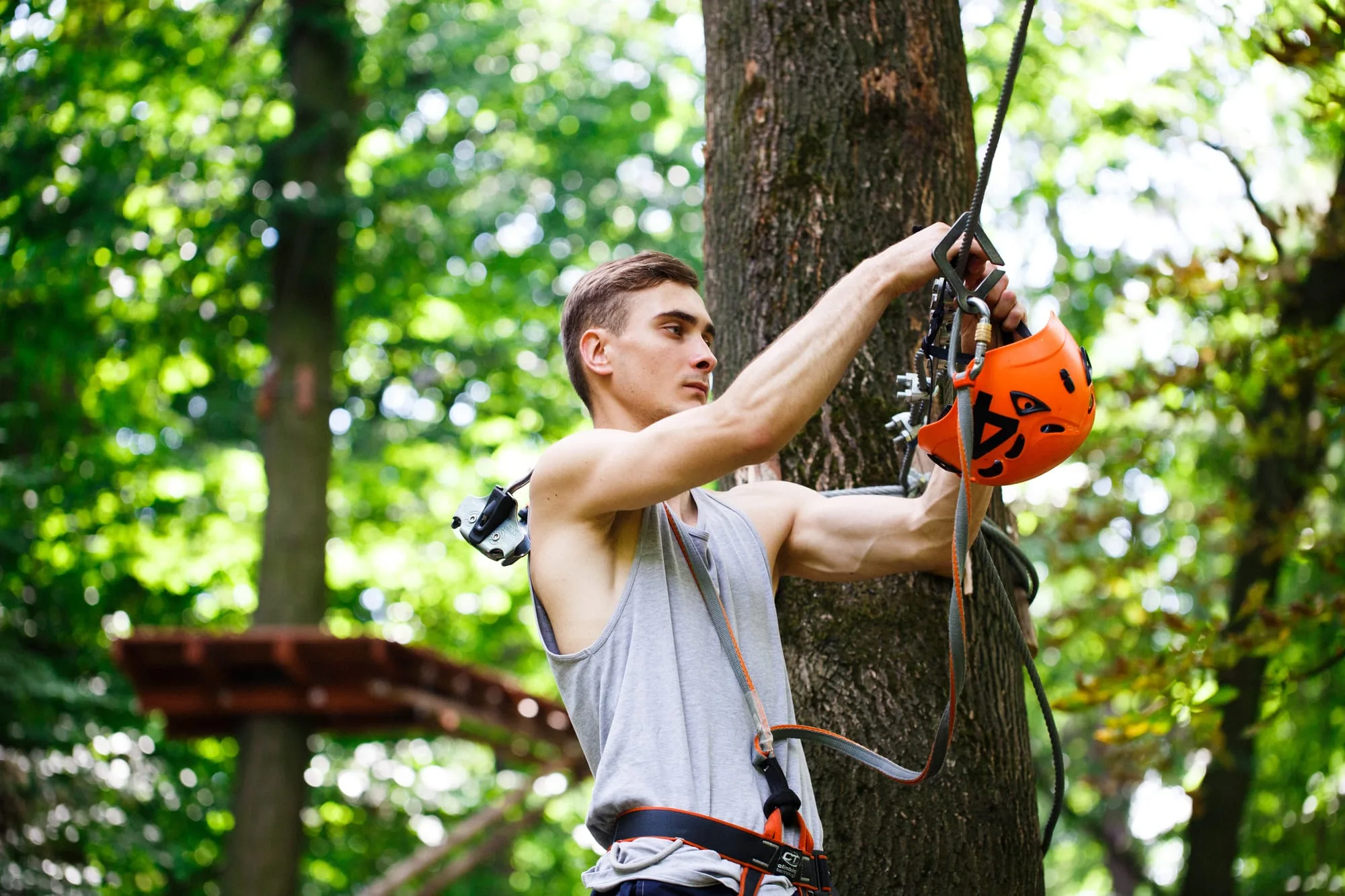
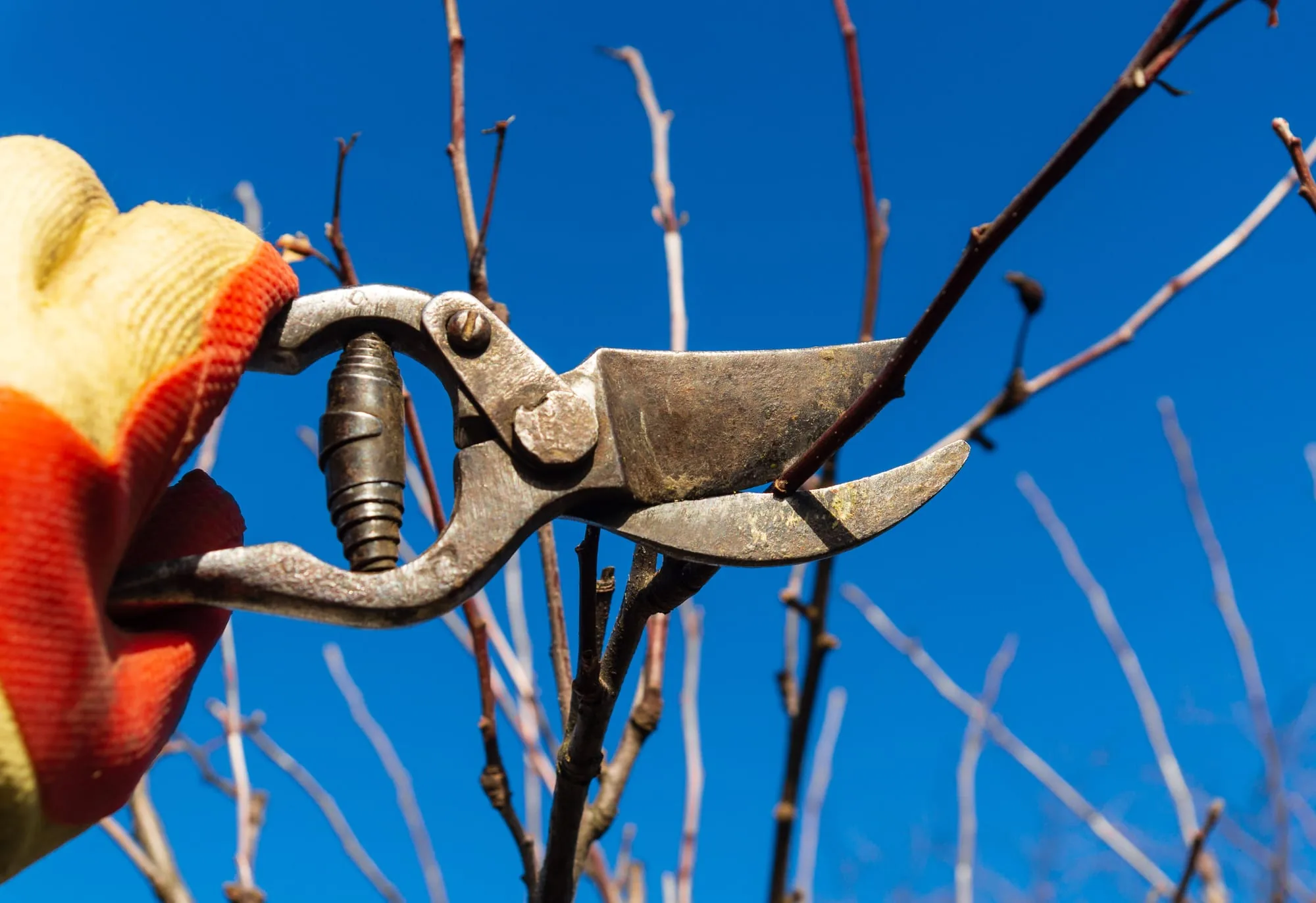
Commercial tree pruning can help manage overgrown, damaged or poorly positioned branches around business premises and managed properties across Melbourne. The right pruning work depends on the tree, the reason for pruning and what surrounds it, not simply how much growth can be removed.
A tree beside a car park creates different considerations from one near a building entrance. Branches over a roof need a different assessment from dense growth affecting a shared outdoor area. On a managed site, access, people, vehicles, neighbouring property and normal site use may all influence how the work should be approached.
You do not need to identify the pruning method before making an enquiry. Start with what you can see and what the tree is affecting. We can discuss the concern, the property and the work that may be suitable.
Contact us to discuss commercial tree pruning for your Melbourne property.
When Commercial Tree Pruning May Be Needed
Commercial properties can have trees in high-use areas where changes in growth become noticeable quickly. Sometimes the issue is routine management. In other cases, a damaged or deteriorating branch creates a more immediate reason to have the tree looked at.
Commercial tree pruning may be worth considering when:
- branches are extending over a building, roof or other structure
- growth is reducing clearance around a driveway or vehicle access area
- low branches are affecting paths, entrances or outdoor areas
- dead, damaged or deteriorating limbs are visible
- a canopy has become dense, uneven or difficult to manage
- branches are growing towards fences, neighbouring property or structures
- previous growth has left a tree unbalanced or poorly shaped
- trees on the property need ongoing maintenance to keep growth manageable
- wind or storms have damaged branches without necessarily requiring removal of the whole tree
- a property manager or owner needs to understand whether pruning is appropriate before arranging work.
The visible problem matters because it helps define the objective. Pruning for clearance is not automatically the same as removing damaged growth. Managing a large limb over a roof is not the same job as lifting lower growth away from a path.
A clear reason for pruning makes it easier to determine which branches need attention and which growth can remain.
If the concern extends beyond pruning (for example, a whole tree may need assessment or removal), the broader commercial tree services Melbourne page can help separate the available service paths.
What Commercial Tree Pruning Involves
Commercial tree pruning involves selectively removing or reducing branches to address a defined problem while considering the condition and structure of the tree and the property around it.
The first question is not simply, “Which branches can be cut?” It is, “What are we trying to achieve?”
The objective may be to improve clearance, remove damaged growth, manage the size or spread of part of the canopy, reduce interference with a structure or make an overgrown tree easier to manage. The appropriate work depends on that objective.
Important factors can include:
- the size and location of the tree
- the branches causing the concern
- visible tree condition
- the amount and position of growth involved
- nearby buildings, roofs, fences and other structures
- driveways, car parks, paths and entrances
- how people and vehicles use the area
- access to the tree and work area
- the effect of the proposed pruning on the remaining tree.
Pruning should have a purpose. Removing growth simply because it is present can create unnecessary work and may not solve the underlying problem.
Different pruning approaches may be relevant depending on the tree and objective. Crown lifting relates to managing lower branches for clearance. Crown reduction focuses on reducing the extent of part of a canopy. Crown thinning involves selective removal within a canopy rather than reducing its overall outline in the same way.
Those terms describe different pruning objectives. The suitable approach should follow the problem, not the other way around.
How We Approach Commercial Tree Pruning
We approach commercial pruning by starting with the property problem and the reason the work is being considered.
A useful scope should answer practical questions before pruning begins:
- What is the tree affecting? This may be a roof, access route, parking area, fence, outdoor area or another part of the site.
- Which growth is creating the issue? The concern may involve one branch, several limbs or a broader part of the canopy.
- What is the condition of that growth? Dead or damaged branches raise different considerations from healthy but poorly positioned growth.
- What outcome is needed? The goal may be clearance, branch management, removal of damaged growth or general maintenance.
- What surrounds the work area? Buildings, people, vehicles and site access can affect the practical scope.
- How will the proposed work affect the remaining tree? The amount of pruning matters as much as the location of the cuts.
This approach helps avoid treating every tree as the same job. Two trees of similar size can require very different pruning because their condition, branch structure and surroundings differ.
It also helps commercial decision-makers understand why a particular scope may be proposed. That is useful when the person arranging the work needs to communicate with an owner, manager, tenant, committee or another stakeholder.
Where the main concern is a specific damaged or unwanted branch rather than broader canopy management, tree branch removal Melbourne explains that service in more detail.
Pruning for clearance is not the same as cutting a tree back hard
Commercial sites often create clear space requirements around buildings, access points and commonly used areas. That does not mean every branch near those areas needs to be removed.
Good scope starts with the clearance problem. Which branch is interfering? How much space is actually required? Is the issue likely to return quickly because of the growth pattern? Can the objective be achieved without unnecessary removal elsewhere in the canopy?
This matters because broad, unspecific cutting can create more work than the original problem requires. A defined pruning objective is easier to assess and easier for a property decision-maker to understand.
Damaged growth needs a different decision
A dead, split or storm-affected limb is not simply an appearance issue. Its condition and position need to be considered along with what is beneath or beside it.
If dead branches are the main concern, see deadwood removal Melbourne. If the property has recently been affected by severe weather, storm damaged tree services Melbourne covers the broader post-storm situation.
Commercial Tree Pruning Around Melbourne Properties
Commercial trees can sit in very different property settings across Melbourne. The surrounding site often determines what makes the pruning job straightforward or complicated.
A tree beside a small business entrance may affect customer access. Trees around an office or managed building may extend over parking bays, paths or rooflines. On a larger property, growth may affect internal roads, boundary areas or shared outdoor spaces.
The common factor is that the tree exists within an operating property. The site may still need to accommodate staff, customers, residents, contractors, deliveries or vehicles.
That makes context important. Before work is arranged, it helps to understand:
- where the tree sits within the property
- what areas beneath or around it are normally used for
- whether vehicles or people regularly pass nearby
- what structures or boundaries are close to the canopy
- whether access to the tree is restricted
- whether the concern affects one tree or several areas of the site.
Melbourne properties also vary widely in age, layout and tree maturity. A mature tree on an established property can create different pruning decisions from younger trees around a newer development. The right scope should respond to the actual tree and site rather than rely on a standard amount of pruning.
Confirm service availability for your suburb when making an enquiry. If you manage a property and want to check whether its location is covered, contact us with the address or suburb and the tree concern.
Who Commercial Tree Pruning Is For
This page is intended for people responsible for trees around commercial and managed properties, including:
Commercial property owners
An owner may need pruning to manage overgrown branches, address visible damage or maintain practical clearance around buildings and property areas.
Business owners and operators
Trees around a business can affect entrances, outdoor spaces, parking areas and the general use of the property. A clear pruning scope helps separate necessary tree work from broader grounds maintenance.
Property and facilities managers
Managers often need enough information to explain what the issue is, what work is proposed and why. Starting with the visible concern can make that process more straightforward.
Owners corporations and body corporate decision-makers
Shared properties may have trees near common paths, driveways, parking or buildings. Where pruning specifically relates to an owners corporation setting, see body corporate tree pruning Melbourne.
Real estate and property maintenance professionals
A property professional may identify a tree issue during routine management but not know the correct pruning method. Describing the problem and property context is enough to start the conversation.
For property managers looking for a broader tree-service pathway rather than pruning alone, see property manager tree services Melbourne.
What to Expect From Commercial Tree Pruning
Commercial tree work is easier to organise when the initial enquiry contains practical site information rather than an assumed technical solution.
A typical discussion can follow these steps.
1. Tell us what you have noticed
Explain which tree or branches are causing concern. Photos can be useful where available, particularly if they show the tree in relation to the building, access area or other nearby features.
You might say that branches are over a roof, blocking clearance, extending over parking, showing visible damage or becoming difficult to manage. You do not need to know whether the answer is reduction, lifting, thinning or another pruning method.
2. Explain the property context
Commercial sites can have access and use considerations that are not obvious from a close-up photo of a branch. It helps to mention nearby buildings, driveways, parking, paths, entrances, fences and other relevant site features.
3. Assess the work required
The tree, affected growth, reason for pruning and surrounding property need to be considered together. The aim is to define a scope that responds to the actual problem.
4. Confirm the proposed service
Before work proceeds, the intended pruning outcome should be clear. That may involve selective branch removal, clearance pruning, management of part of the canopy or another suitable pruning scope.
5. Arrange the work
Once the scope and property requirements are understood, the next step can be discussed.
No specific response time, attendance window, recurring maintenance arrangement or commercial service schedule should be assumed unless it has been confirmed directly for the job.
What affects the scope of a commercial pruning job?
Commercial pruning is not priced or planned from the service name alone. Relevant variables can include tree size, branch position, amount of pruning, tree condition, access and what surrounds the work area.
A small amount of difficult-to-access pruning can present different practical considerations from a larger amount of straightforward work. Likewise, one large branch above a structure is not equivalent to routine pruning of several accessible trees.
The property context needs to be understood before a meaningful scope can be set.
Safety and Property Considerations
Tree pruning around commercial properties needs to account for both the tree and the area around it.
Branches can be positioned above roofs, paths, parked vehicles, fences, entrances or other parts of a site. Dead or damaged limbs may also be difficult to judge safely from ground level.
Property managers and business operators should avoid asking staff, tenants or untrained people to climb trees, work from unsuitable ladders or attempt to cut large, suspended or damaged branches. A branch can move differently once cut, and the surrounding property can increase the consequences of a mistake.
If a tree or branch appears to present an immediate danger, keep people away from the affected area where practical and seek appropriate assistance. The emergency tree services Melbourne page explains the distinction between urgent tree situations and planned commercial pruning.
Commercial pruning should also consider normal site activity. A branch issue over an unused corner of a property creates a different exposure from similar growth over a frequently used entrance or parking area.
Where the main question is whether a tree or branch presents a risk rather than what pruning should be completed, see tree risk assessment Melbourne.
Council Rules and Permits for Commercial Tree Pruning
Tree controls can vary between Victorian councils and properties. The fact that a tree is on commercial land does not create one universal Melbourne rule for pruning.
Requirements may depend on factors such as the council area, property, planning controls, overlays, tree protections and the type or extent of work proposed.
For that reason, a commercial property manager should not assume that:
- all pruning is automatically exempt from council requirements
- commercial ownership removes tree controls
- a neighbour’s previous tree work establishes what is permitted on another site
- the same rule applies across every Melbourne municipality
- pruning and tree removal are treated identically.
Where approval may be relevant, check the requirements that apply to the specific property and proposed work. Council information should be verified against the current rules for that location rather than relying on a general statement about Melbourne.
If a council, planning process or another decision-maker requires formal written tree documentation, that is a separate need from ordinary pruning. See arborist reports Melbourne for an explanation of report-focused searches and the importance of confirming the required report scope and provider qualifications.
How to Choose a Commercial Tree Pruning Provider
Commercial property decision-makers can ask practical questions before agreeing to pruning work. The goal is to understand whether the proposed work matches the problem and the site.
What exactly is being pruned, and why?
The scope should connect specific branches or parts of the canopy to a clear objective. “Trim the tree” is less useful than identifying the growth affecting a roof, access area or other property feature.
How will the surrounding property affect the job?
Ask how buildings, vehicles, access routes, fences, people and other site features influence the work. This can reveal whether the provider has considered the whole site rather than only the tree.
What will the tree look like and function like after pruning?
The amount and position of removed growth matters. A provider should be able to explain the intended result in plain language rather than simply promise that the tree will be “cut back”.
Are the qualifications, insurance and other credentials suitable for the work?
For commercial work, verify any credentials that matter to your property, organisation or procurement process directly with the provider. Do not rely on assumptions based on a service-page title.
Does the job need pruning, or is another service more appropriate?
Sometimes the initial request changes once the tree and property are considered. Deadwood removal, branch removal, risk assessment, broader tree care or removal may be more relevant depending on the concern.
A useful provider should be able to explain that distinction without pushing unnecessary work.
Common Questions About Commercial Tree Pruning in Melbourne
What is commercial tree pruning?
Commercial tree pruning is selective branch or canopy work carried out around business and managed properties. The pruning objective may involve clearance, damaged growth, branch management or ongoing control of overgrown trees. The appropriate scope depends on the tree, the problem and the surrounding site.
How is commercial tree pruning different from residential pruning?
The pruning principles can overlap, but commercial properties often add site-use considerations. Entrances, parking, paths, staff, customers, tenants, vehicles and property-management responsibilities may all affect how the job is assessed and arranged.
Do commercial trees need to be pruned regularly?
There is no single pruning interval that suits every commercial tree. Species, growth, condition, location and the reason for pruning all matter. A tree should not be pruned simply because a fixed period has passed without considering what work is actually needed.
Can you prune branches away from a commercial building?
Branches growing towards or over buildings are a common reason to consider pruning. The suitable work depends on branch position, tree structure, required clearance and the effect of pruning on the remaining canopy.
What if branches are blocking a driveway, path or parking area?
Clearance problems can be assessed according to the affected area and the branches involved. In some cases, selective removal or crown lifting may be relevant. The objective should be defined before deciding how much growth to remove.
Is commercial pruning the same as crown reduction?
No. Crown reduction is a specific pruning objective used to reduce the extent of part or all of a canopy. Commercial tree pruning is a broader service category and may involve reduction, lifting, selective branch removal or another appropriate pruning approach depending on the problem.
Can dead branches be removed during commercial pruning?
Dead branches may form part of the required work, but deadwood removal has its own purpose and scope. If dead or deteriorating branches are the main concern, see deadwood removal Melbourne.
What if a tree was damaged in a storm?
Storm damage can involve broken, hanging, split or fallen branches and may require a different assessment from planned maintenance pruning. See storm damaged tree services Melbourne for the broader post-storm pathway.
Does commercial tree pruning require council approval in Melbourne?
It depends on the property, council area, applicable controls and proposed work. There is no single rule covering every commercial property across Melbourne. Check the requirements that apply to the specific site before relying on a general assumption.
How much does commercial tree pruning cost in Melbourne?
The cost depends on the scope of the job. Tree size, branch position, amount of pruning, condition, access and surrounding property can all affect the work required. A useful quote needs enough information about the tree and site to define that scope rather than relying on a generic commercial rate.
Do we need an arborist report before pruning?
Not every pruning enquiry automatically requires a formal report. A report may be relevant where a council, planning process, property decision or other requirement calls for written professional documentation. The required report type and provider qualifications should be confirmed for that purpose.
Can one pruning job solve every tree issue on a commercial property?
Not necessarily. Different trees can have different problems, and one tree may require a different service from another. The aim should be to identify each concern and match the work to it rather than apply the same pruning treatment across a site without assessment.
Discuss Commercial Tree Pruning for Your Melbourne Property
If branches are overgrown, damaged, poorly positioned or interfering with the practical use of a commercial property, start by telling us what you have noticed.
Include the tree location, what the branches are affecting and any relevant information about buildings, access, parking or commonly used areas around it. You do not need to choose the pruning method yourself.
We can discuss the concern and the proposed scope so the next step is based on the tree and property rather than a generic amount of cutting.
Contact us to discuss commercial tree pruning in Melbourne.