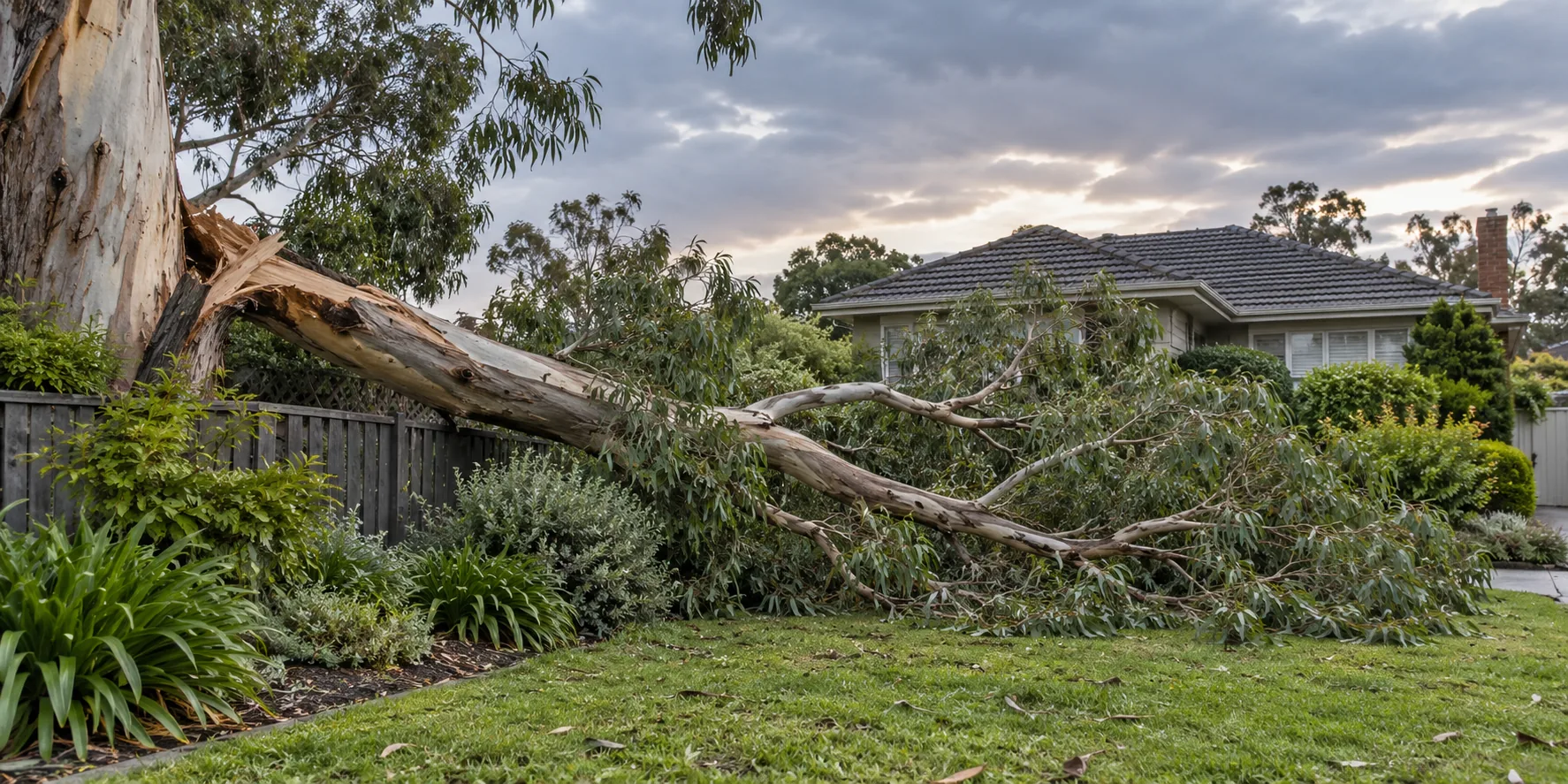
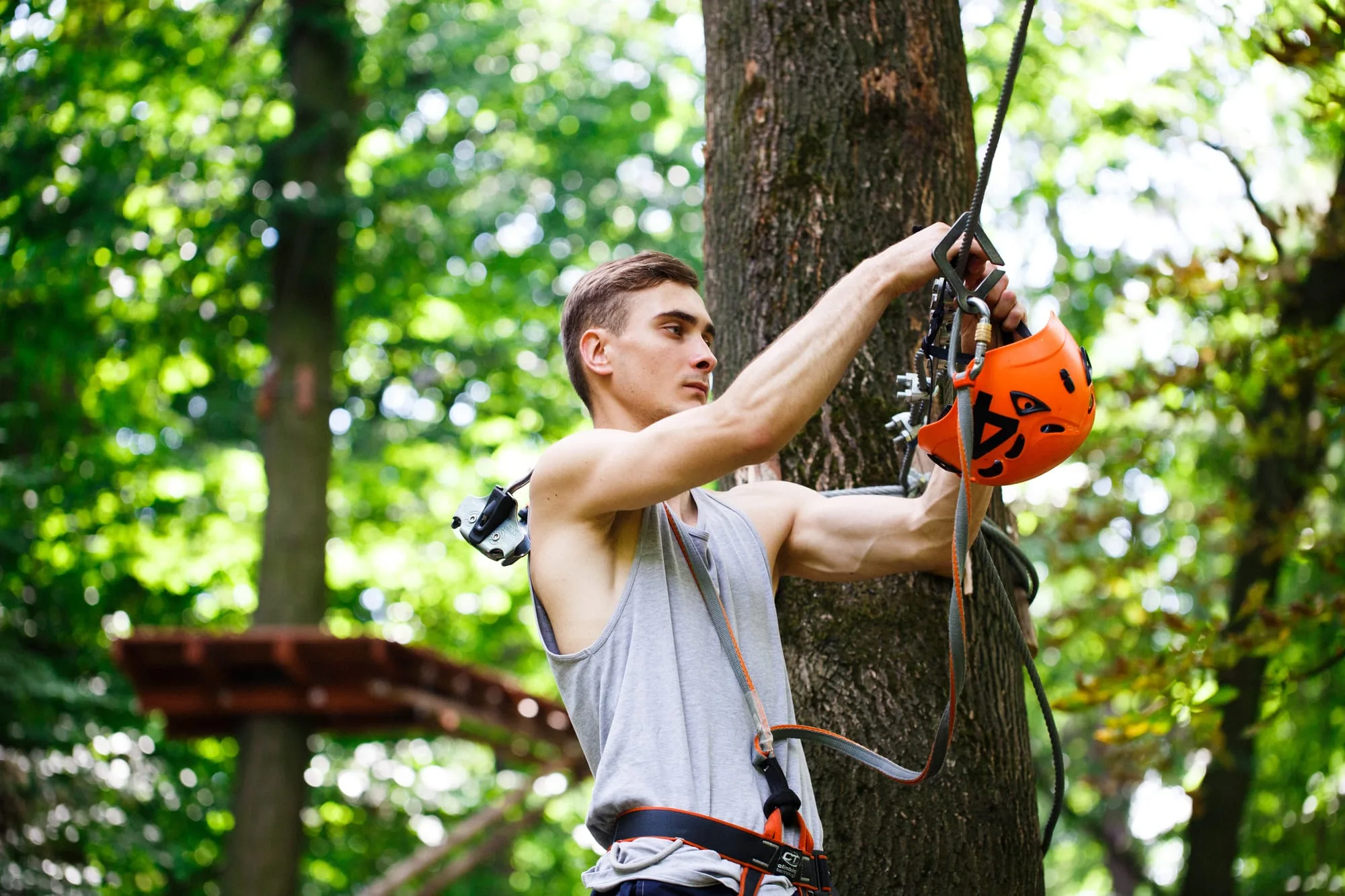
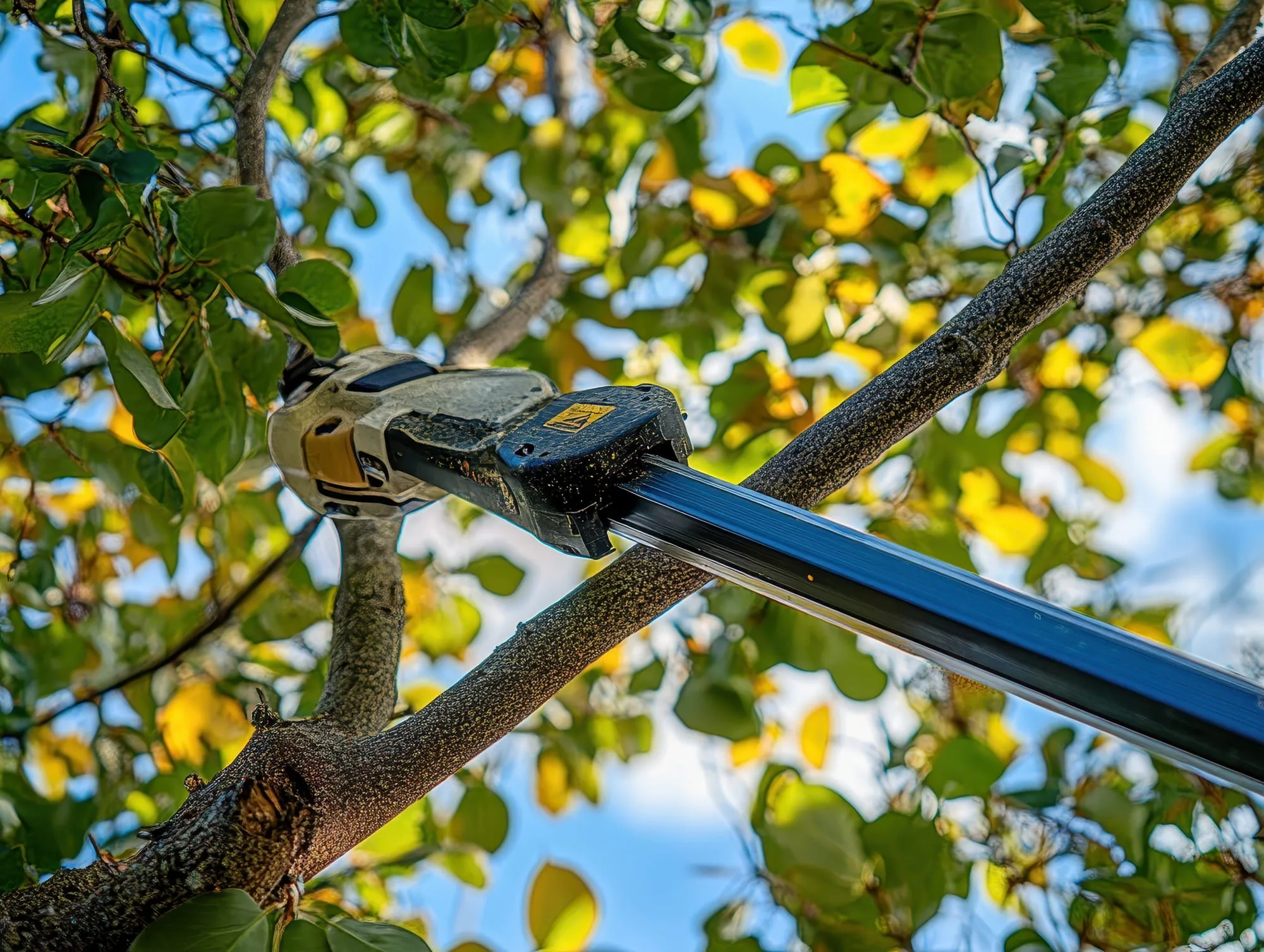
An urgent tree problem can be very different from routine pruning. The condition of the tree may have changed suddenly, branches may be damaged or partly failed, access may be blocked, or part of the tree may now be positioned where people or property could be affected.
The first job is to understand what has happened and what is currently at risk. The safest next step may involve removing a damaged branch, reducing problematic growth, assessing the remaining tree or considering removal where the whole tree is affected.
Tree Pruning Services Melbourne focuses on practical tree care based on the tree, its condition, surrounding structures and the reason for the work. That same approach matters in an urgent situation because visible damage does not automatically tell you what work is required.
If a tree or branch has changed suddenly, tell us what has happened, where the tree is located and what is currently affected. We can discuss the appropriate next step and whether the situation falls within the available service scope.
When emergency tree services may be needed
A tree issue may need urgent attention when the condition has changed and the affected area cannot be treated like a normal maintenance job.
Examples may include:
- a large branch that has broken and fallen;
- a damaged branch that remains attached to the tree;
- a tree or branch blocking a driveway, path or access point;
- storm-affected growth positioned over a roof, fence or outdoor area;
- a tree that appears to have shifted or changed position;
- split, cracked or heavily damaged branches after strong weather;
- a fallen tree affecting part of the property;
- damaged growth hanging above an area people normally use;
- a tree problem that has exposed another immediate property concern;
- a situation where the owner cannot safely determine whether the area can still be used.
Urgent does not always mean the entire tree needs to be removed. The right response depends on what failed, what remains and what could be affected next.
What emergency tree services involve
Emergency tree work starts with the immediate problem rather than a standard list of tasks.
The service may involve assessing:
- what part of the tree has failed or become damaged;
- whether damaged material is still attached;
- where fallen branches or timber are resting;
- whether access to the property is affected;
- what sits beneath or beside the damaged tree;
- whether the remaining canopy has obvious damage;
- whether the issue appears limited to one branch or affects more of the tree;
- what work can reasonably be carried out without creating another problem.
Depending on the situation, the practical response may relate to tree branch removal, deadwood removal, tree pruning or tree removal.
The purpose of an emergency service page is not to assume the most severe option. It is to help the customer move from an uncertain tree problem to a clearly defined next action.
How we approach an urgent tree problem
1. Understand what has happened
Start with the event or change that prompted the enquiry.
Useful information includes whether a branch has fallen, whether damage followed strong wind, whether the tree has shifted, what part of the property is affected and whether the damaged material is still attached.
Photos may also help communicate the visible situation, provided they can be taken from a safe position on the ground.
2. Identify what is currently affected
The same branch condition can create very different practical problems depending on where it is located.
A failed branch resting in an unused garden bed is different from a damaged limb above a driveway, entrance, roof or regularly used outdoor area.
The surrounding property therefore forms part of the assessment.
3. Consider the remaining tree
Removing fallen material may deal with the immediate obstruction without answering what condition the rest of the tree is in.
Where relevant, the remaining branches, canopy and visible tree condition need to be considered before deciding whether additional work should be proposed.
4. Define the immediate work separately from later maintenance
Urgent work should address the current problem first.
Routine shaping, general canopy maintenance or unrelated pruning may be a separate decision once the immediate issue has been dealt with. Keeping these scopes separate makes it clearer what needs attention now and what can wait.
5. Explain the proposed next step
The customer should understand whether the suggested work relates to a failed branch, damaged canopy, an affected whole tree or another tree-care need.
Where the situation falls outside the available service scope, that should also be clear rather than implied otherwise.
Emergency tree removal is not always the first answer
“Emergency tree removal Melbourne” is a common search because a damaged tree can look severe from the ground. But sudden damage does not automatically mean the entire tree needs to come out.
A branch may have failed while the rest of the tree requires a different response. In another situation, damage may be extensive enough that tree removal needs to be considered.
The distinction matters because removal and urgent tree care answer different questions.
Emergency tree services ask:
- What has happened?
- What is affected now?
- Is damaged material still attached?
- Can the affected area be kept clear?
- What work is required to address the immediate problem?
Tree removal asks whether removing the whole tree is the appropriate scope.
Where a tree appears unsafe or structurally compromised, a more specific tree risk assessment may also be relevant depending on the purpose and required level of assessment.
Emergency tree services around Melbourne homes and properties
Urgent tree problems are shaped by the property around them.
On a residential block, a failed limb may fall across a driveway and prevent a vehicle from moving. In a backyard, damaged growth may hang over a fence, garden, shed or outdoor area. A tree beside a house may have branches resting against the roof after strong weather.
Restricted access can make the situation more difficult. Narrow side paths, fences, established gardens and nearby structures can affect how damaged timber can be approached and removed.
The location also affects priorities. A branch above a regularly used entrance presents a different practical concern from similar damage over an area that can be isolated and left unused.
Confirm current availability and attendance options when making an urgent enquiry.
Who emergency tree services may be for
Urgent tree help may be relevant for:
- homeowners dealing with sudden branch or tree damage;
- landlords and property investors responding to a tree problem at a residential property;
- property managers who have been notified of fallen or damaged tree material;
- owners corporations dealing with a tree issue in a shared area;
- commercial property owners where damaged trees affect access or usable areas;
- people who are unsure whether a sudden tree problem needs pruning, branch removal, assessment or removal.
The service scope still needs to be confirmed for the individual job. The type of customer does not determine what tree work is required.
What to expect when you report an urgent tree problem
You do not need to diagnose the tree before getting in touch.
A practical enquiry can follow these steps:
-
Explain what happened.
Describe the fallen, damaged or changed part of the tree and whether the issue followed wind, a storm or another event. -
Explain what is affected.
Mention buildings, roofs, fences, driveways, paths, vehicles, neighbouring property or other areas near the damaged tree. -
Keep the affected area clear where possible.
Do not stand beneath damaged branches or enter an area where tree material appears unstable simply to inspect it more closely. -
Discuss the immediate tree problem.
The visible damage and site conditions can be considered to determine what type of tree service may be relevant. -
Confirm the proposed scope.
If work can be undertaken, the immediate work should be distinguished from any later pruning or maintenance recommendations.
No specific attendance time should be assumed unless it has been confirmed for the enquiry.
What affects the scope and cost of emergency tree work?
Urgent tree work cannot be priced accurately from the service name alone.
Relevant factors can include:
- the size of the tree or failed branch;
- whether material has already fallen or remains suspended;
- working height;
- the condition of the remaining tree;
- access to the damaged area;
- whether roofs, fences, paving or other structures are affected;
- whether the tree is close to neighbouring property;
- the amount and position of damaged timber;
- the work required to make the immediate situation manageable;
- the agreed handling and clean-up scope.
A branch already lying in an open part of a garden is a different job from heavy damaged growth still attached above a building.
An emergency call-out quote should be based on the actual job. Any pricing should reflect the actual tree, site and confirmed scope.
Storm damage and emergency tree work are related but different
Storms can create urgent tree problems, but not every storm-affected tree requires emergency work.
After strong weather, a tree may have:
- fallen branches;
- cracked or split limbs;
- hanging damaged growth;
- a changed canopy shape;
- branches resting on property;
- damage that is visible but not obstructing an area;
- changes that warrant closer assessment before work is chosen.
The dedicated storm damage tree services Melbourne page addresses storm-related tree problems more broadly.
This emergency page is focused on situations where the immediate condition or location of the damage makes prompt assessment of the next step important.
Safety and property considerations
Urgent tree situations require a more cautious approach than routine maintenance.
Do not stand beneath hanging branches, climb a damaged tree or attempt to pull down heavy suspended limbs. A partly failed branch can move unexpectedly, especially if it is caught in other branches or resting against a structure.
Keep people away from the affected area where you can do so safely.
Be particularly cautious around:
- fallen or hanging branches;
- cracked limbs under load;
- trees or branches touching buildings;
- blocked entrances or driveways;
- damaged material near fences or neighbouring property;
- trees near overhead services;
- unstable ground or visible movement around the base of a tree.
If a tree or branch is contacting, threatening or entangled with powerlines or other electrical infrastructure, do not approach it. Contact the relevant electricity network or emergency authority rather than attempting tree work yourself.
Where there is an immediate threat to people, life or public safety, use the appropriate emergency service rather than relying on a routine website enquiry.
Council rules and permits for urgent tree work
Tree controls can vary across Melbourne councils and properties.
The fact that a tree has been damaged does not automatically establish what council approval may or may not be required for every type of work.
Relevant considerations may include:
- the local council;
- the property;
- the tree;
- planning controls;
- protected-tree provisions;
- overlays;
- the type and extent of proposed work;
- whether the situation involves immediate safety concerns.
Where circumstances allow, check the relevant local requirements before significant pruning or removal.
If urgent action is required, keep records of the condition where it is safe to do so, such as ground-level photographs. Any council-specific advice should be verified against the relevant authority rather than relying on a general Melbourne-wide statement.
How to choose an emergency tree service provider
Urgency can make it tempting to focus only on who can attend first. The proposed work still needs to make sense for the tree and property.
Useful questions include:
- What immediate problem are you proposing to address?
- Does the work involve one damaged branch or the whole tree?
- Why is removal being recommended if the whole tree is proposed for removal?
- What access or site conditions could affect the work?
- What is included in the quoted scope and clean-up?
- Are relevant qualifications and insurance details available where the work requires them?
- Is the quoted work limited to the emergency issue, or does it include unrelated maintenance?
A clear answer helps the customer understand what they are paying for and what condition the property should be left in afterwards.
Common questions about emergency tree services in Melbourne
What counts as a tree emergency?
A tree issue may be urgent when a tree or branch has failed, become badly damaged, blocked access or changed in a way that could affect people or property. The actual urgency depends on the condition and location of the damage.
Do you provide 24/7 emergency tree services in Melbourne?
Availability can vary. Contact the team to confirm current availability for the specific situation.
How quickly can emergency tree work be attended?
No response time has been confirmed. Attendance depends on current availability, the location, the type of tree problem and whether the job falls within the available service scope.
Does a storm-damaged tree always need to be removed?
No. Damage can affect one branch, part of the canopy or more of the tree. The appropriate response depends on what has failed and the condition of what remains.
What should I do if a branch is hanging over my driveway or roof?
Keep clear of the affected area and avoid trying to pull or cut the branch down yourself. Explain where the branch is, whether it is still attached and what sits beneath it when requesting help.
What if a tree has fallen across my driveway?
Keep away from unstable timber and explain how the tree is positioned and whether access is completely blocked. The size of the tree, surrounding structures and remaining attached material can all affect the required work.
Can emergency tree work include branch removal?
Yes, an urgent problem may involve a failed or damaged branch rather than the whole tree. The scope should be based on the actual damage and the condition of the remaining tree.
How much do emergency tree services cost in Melbourne?
There is no confirmed flat emergency price. Cost can vary with tree size, branch position, access, working height, property obstacles, the amount of damaged material and the agreed scope.
Do I need council permission for emergency tree removal?
Requirements can vary between councils, properties, trees and circumstances. Do not assume one rule applies across Melbourne. Where possible, check the relevant council requirements and retain safe ground-level evidence of the tree’s condition.
What if the damaged tree is near powerlines?
Do not approach or touch a tree or branch that is contacting or close to electrical infrastructure. Contact the relevant electricity network or emergency authority for guidance.
Discuss an urgent tree problem on your Melbourne property
If a tree or branch has fallen, become damaged or changed suddenly, tell us what has happened, where the tree is located and what part of the property is affected.
You do not need to decide whether the answer is pruning, branch removal or tree removal before making contact. The immediate problem can be discussed first so the appropriate next step is clearer.
Contact the team to discuss an urgent tree issue in Melbourne and confirm current service availability.